

US-Canada Trade War Impacts Both Sides of the Border
An in-depth look at the ongoing US-Canada trade dispute, exploring tariff impacts, regional economic strains, and how businesses are adapting.
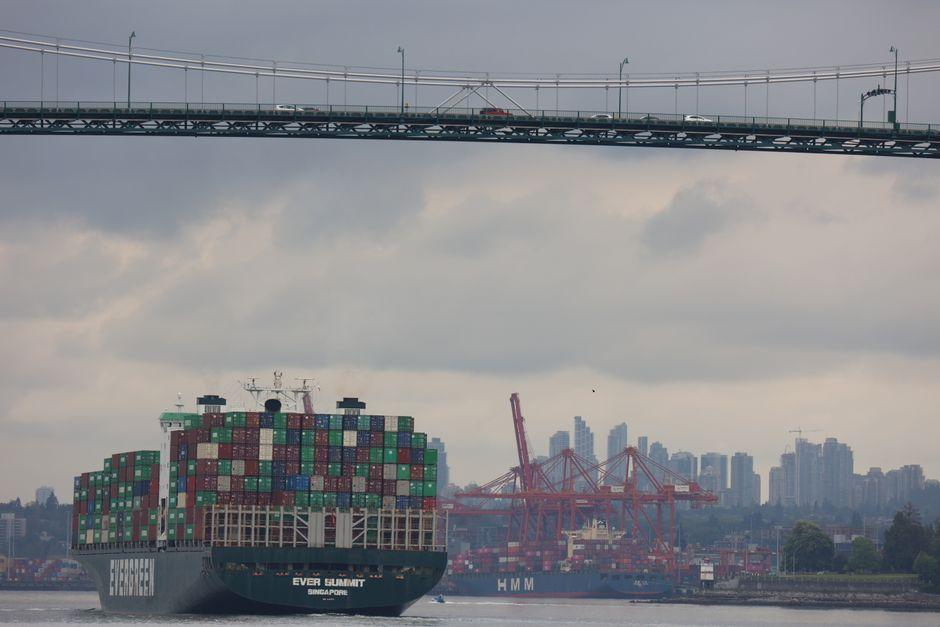
Stock photo for illustration only, not from the actual event
- The US and Canada remain at an impasse over trade disputes since President Donald Trump returned to the White House.
- The US imposed an additional 50% tariff on about C$28bn of Canadian goods, hitting Ontario and Quebec hard.
- Canada retaliated with tariffs on C$28bn of US goods, with Ohio facing the heaviest export impact.
- Canadian businesses are increasingly seeking alternative markets in Europe to reduce reliance on the US.
Trade tensions between the United States and Canada show no signs of easing as the two neighbors remain deadlocked in an ongoing dispute. Friction has simmered ever since President Donald Trump returned to the White House roughly 18 months ago and rolled out a sweeping global tariff program, making Canada one of the first nations targeted and one of the few to hit back with reciprocal measures.
At present, the US has slapped tariffs on key Canadian sectors including steel, aluminium, lumber, and automobiles, following up last week with an additional 50% levy on approximately C$28bn ($20bn; £15bn) worth of Canadian goods. Data from the Royal Bank of Canada indicates that Ontario and Quebec bear the heaviest burden from these sectoral tariffs, whereas Newfoundland and Labrador, New Brunswick, Alberta, Saskatchewan, and Prince Edward Island remain least exposed.
On the American side, while the much larger US economy absorbs the blow more easily, certain states feel the pinch of Canada's retaliation. Canada levied tariffs on C$28bn worth of US goods ranging from steel to cosmetics and toilet paper. According to Statistics Canada figures, the swing state of Ohio will be hit hardest, with C$3.2bn—or 12%—of its exports soon facing Canadian tariffs, followed closely by Illinois and Pennsylvania.
Prime Minister Carney assured Canadians that their tariff rates remain relatively low compared to other nations, yet the latest 50% levies have nearly doubled the average effective US tariff rate on Canada from 2.9% in June to 5.7%, closing the gap with countries like the UK and Vietnam.
This ongoing trade conflict highlights the fragility of deeply integrated supply chains built under decades of North American trade agreements like the USMCA. With Canada historically relying on the US to purchase over 70% of its exports, the push to diversify toward European and international markets serves as a critical lesson in economic resilience amidst rising protectionism.
Geographic proximity and free trade agreements dating back to the 1980s forged one of the world's most integrated economic partnerships. However, the tariff clash has already catalyzed a shift toward alternative markets, with Carney pledging to double non-US exports over the coming decade.

Stock photo for illustration only, not from the actual event
Some enterprises have successfully adapted to find customers abroad. Matteo Sgaramella, owner of the Toronto-based menswear label Outclass, told the BBC that he began attending trunk shows in Paris instead of New York to expand his European customer base.
"The reception has been amazing"
Matteo Sgaramella
He added that certain European retailers are particularly enthusiastic about backing Canadian goods amid the ongoing trade dispute. Conversely, other businesses—particularly within Ontario's manufacturing hubs—struggle to diversify. A Canadian Chamber of Commerce report flagged Oshawa, London, and Kitchener-Cambridge-Waterloo as regions remaining heavily tethered to the American market with limited export growth elsewhere.
Source: BBC Business
Found something wrong in this article? Report an issue with this article
Comments
Leave a Comment