

Oil prices dive over 9% as US and Iran pause military attacks
Brent crude dips below $88 a barrel following a temporary halt in strikes and renewed hopes for diplomatic talks.
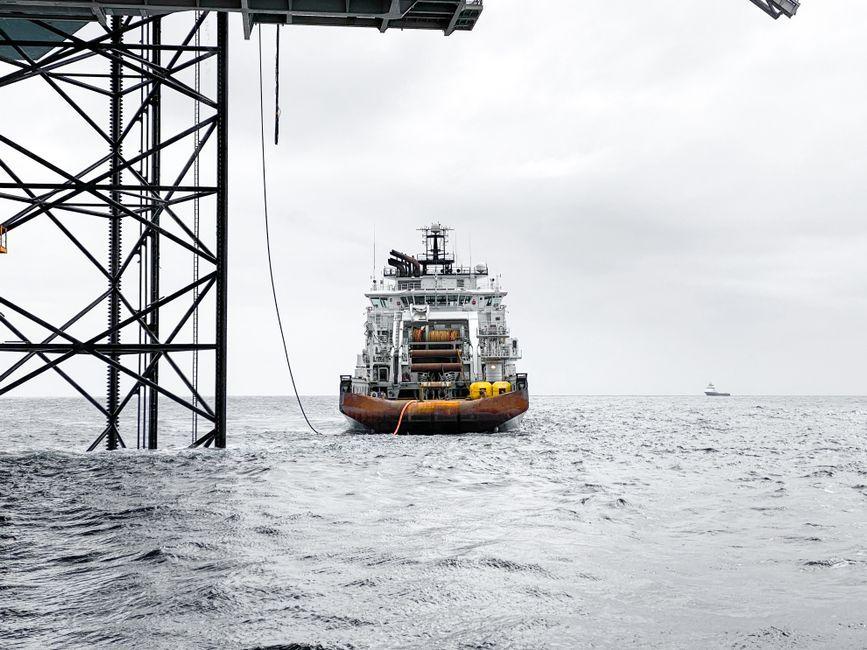
Stock photo for illustration only, not from the actual event
- Oil prices sank by more than 9% on Monday
- Brent crude dipped below $88 a barrel after spiking past $100 last week
- The US and Iran paused attacks to give diplomatic talks some space
Global oil prices experienced a sharp downturn on Monday, plunging by more than 9% amid growing optimism that a temporary pause in hostilities between the United States and Iran could pave the way for a resolution. This steep decline marks a dramatic reversal from the previous week when prices surged past the $100 threshold for the first time since May.
Brent crude, the international benchmark, dropped below $88 a barrel following an announcement by the US ambassador to the UN that attacks on Iran had been halted for a second consecutive night to allow room for negotiations. Concurrently, an Iranian military spokesperson confirmed on Sunday that Tehran had suspended its retaliatory strikes within the region.
The outbreak of the conflict had previously triggered a spike in energy costs by effectively shutting down the Strait of Hormuz, a critical shipping lane that typically transports roughly 20% of the world's oil and liquefied natural gas (LNG). Although a memorandum of understanding signed in June had temporarily pushed prices back down to pre-war levels around $70 a barrel, the collapse of that ceasefire earlier this month reignited intense fears over global energy supplies and drove prices back upward, exacerbated further by Houthi militia attacks on oil tankers in the Red Sea.
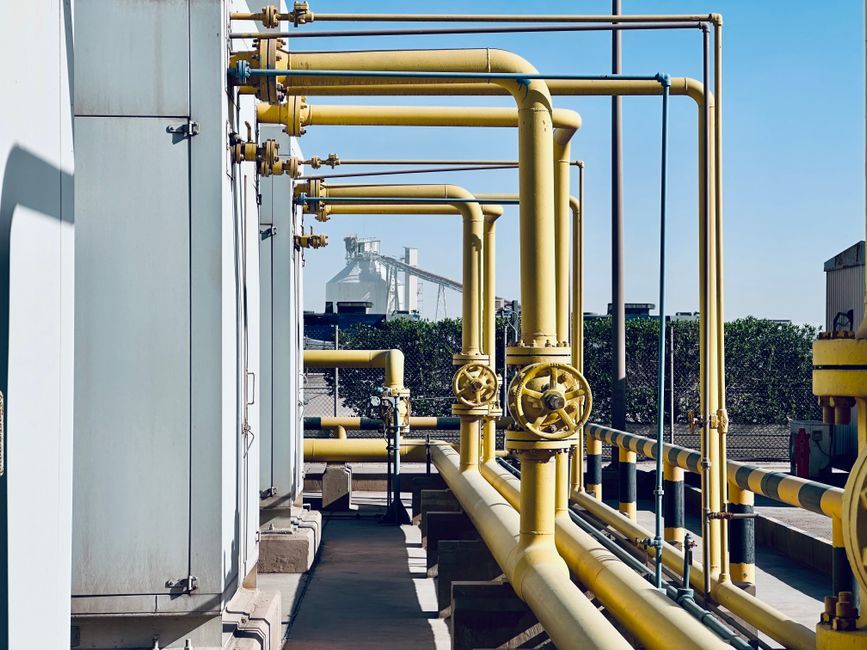
Stock photo for illustration only, not from the actual event
The Strait of Hormuz serves as one of the most critical chokepoints in global energy logistics. Any disruption to this vital artery creates an immediate ripple effect across international markets, inflating shipping costs and driving up the production expenses of goods worldwide. Because energy prices are deeply intertwined with inflation, diplomatic breakthroughs in this region are vital for stabilizing broader consumer prices and manufacturing costs globally.
Susannah Streeter, chief investment strategist at Wealth Club, noted that markets remain cautious due to the numerous twists and turns throughout the conflict. She added that despite the sharp drop in crude, significant uncertainty remains baked into current prices alongside hesitation over whether negotiations will yield a lasting breakthrough. The prolonged impact of the conflict has elevated petrol and diesel costs across multiple nations, subsequently driving up everyday items like food as businesses pass higher operational expenses down to consumers.
Source: BBC Business
Found something wrong in this article? Report an issue with this article
Comments
Leave a Comment