

Roman Space Telescope 2026: Mission Begins
NASA has officially launched the Roman Space Telescope mission, a next great observatory capable of capturing survey images requiring over half a million 4K TVs.
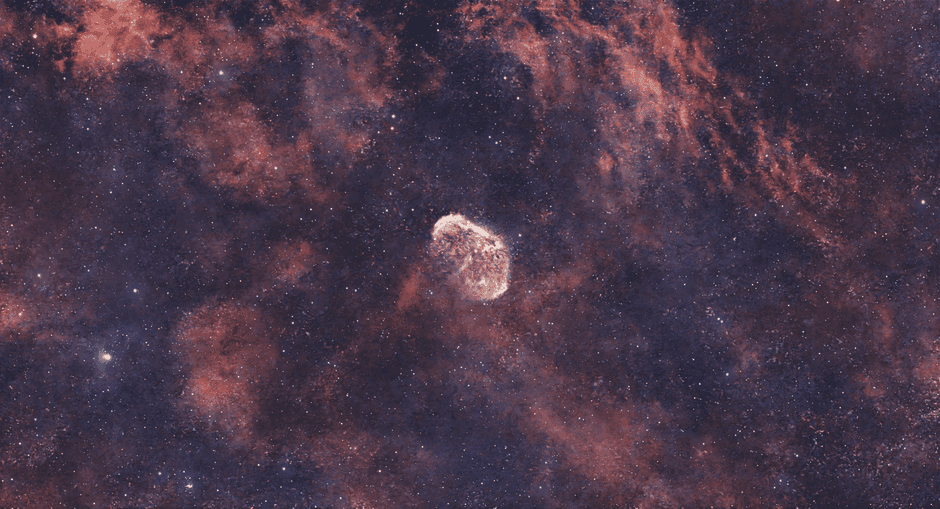
Stock photo for illustration only, not from the actual event
- NASA kicks off the mission for the Roman Space Telescope, its next major great observatory
- A single survey image requires over 500,000 4K TVs to be fully displayed
- Designed to significantly widen humanity's view and understanding of the universe
- Follows the legacy of previous revolutionary space telescopes
NASA has officially commenced the mission for the Roman Space Telescope, designated as its next great observatory, aimed at dramatically widening our view of the universe and exploring deep cosmic mysteries.
This advanced space telescope stands out for its unprecedented capability to capture wide-field astronomical images with astonishing detail, allowing astronomers to map large swathes of the cosmos and study dark energy with greater precision.
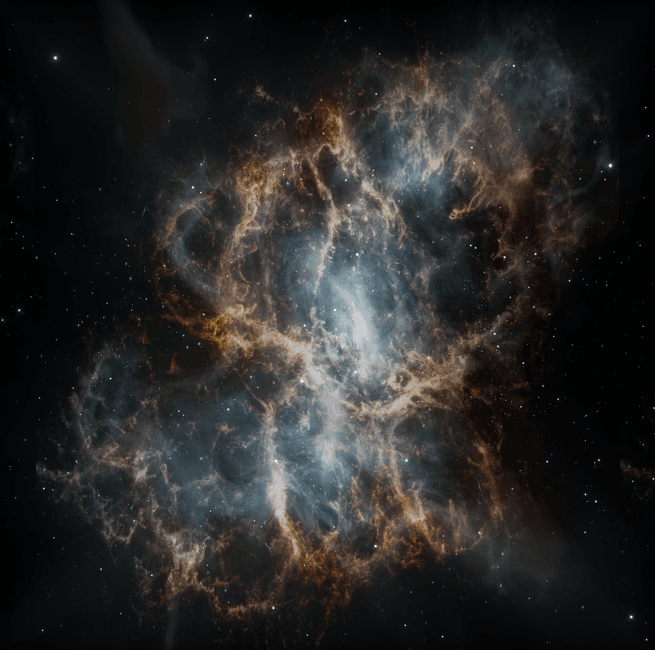
Stock photo for illustration only, not from the actual event
NASA's Great Observatories program has historically transformed our understanding of space, with predecessors like Hubble and James Webb uncovering groundbreaking cosmic phenomena. The addition of the Roman Space Telescope is expected to bridge the gap between deep-field targeted observations and wide-area cosmic surveys, providing unprecedented macroscopic insights into the structure of the universe.
The technological immense scale of this telescope is highlighted by staggering data metrics that illustrate its unprecedented capacity to process massive cosmic imagery in a single frame.
"We would need over half a million 4K TVs to fully display the single Roman image from our largest survey."
NASA
This ambitious mission marks a monumental leap forward in space exploration, promising to reshape our comprehension of astrophysics and unveil unprecedented details about the evolution of the cosmos.
Source: Ars Technica
Found something wrong in this article? Report an issue with this article
Comments
Leave a Comment