

How Ancient Chinese Emperors Bathd: History vs Series
Explore the bathing habits of emperors in the Forbidden City during the Ming and Qing dynasties, and find out if they bathed daily like in period dramas.
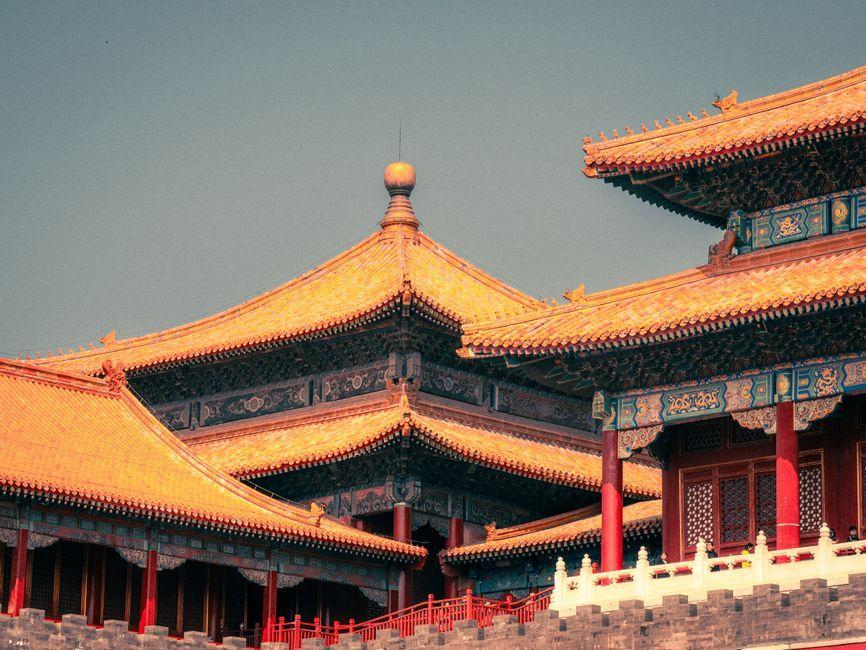
Stock photo for illustration only, not from the actual event
- No historical evidence confirms that every Chinese emperor bathed fully every day.
- Bathing routines varied depending on weather, seasons, and imperial duties.
- Bathing also served as a ritual purification before major state ceremonies.
- Lavish bath scenes in TV dramas are often embellished for entertainment.
Examining daily life within the imperial court of ancient China, particularly during the Ming and Qing dynasties centered in the Forbidden City, reveals that historical reality often differs from television period dramas. There is insufficient evidence to conclude that every emperor underwent a full-body bath daily or followed a strict schedule for bathing frequency.
Considering Beijing's extreme seasonal temperature fluctuations, personal hygiene in the past was far from simple. Without modern water heaters or tap systems, every bath required a dedicated team of attendants to boil water, prepare basins, and set up necessary equipment within the palace chambers.
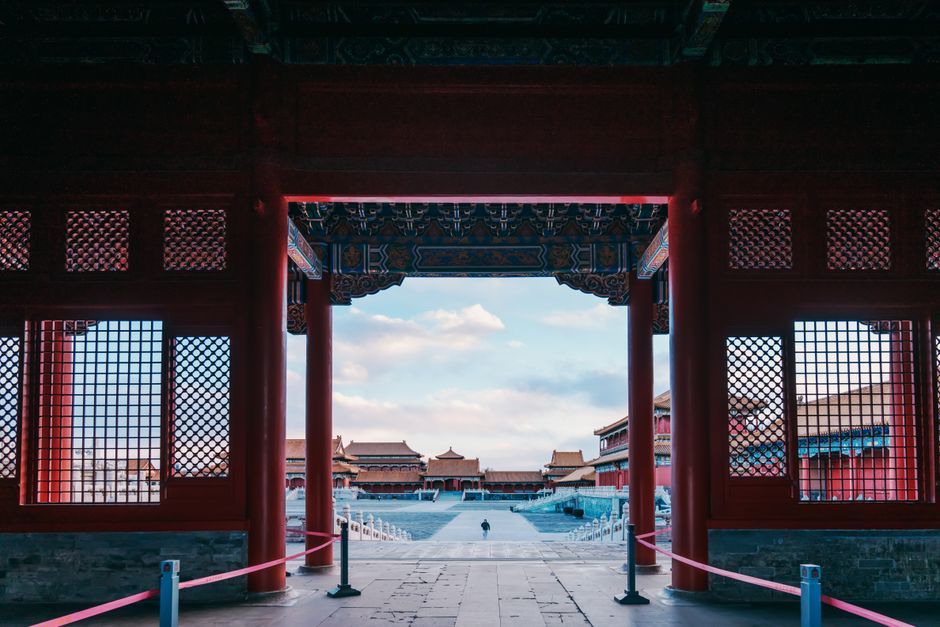
Stock photo for illustration only, not from the actual event
Beyond physical cleanliness, bathing carried spiritual significance for the Chinese sovereign. Before conducting sacred rituals, such as worshipping heaven, emperors were required to observe periods of fasting and purification, which included specific protocols for cleansing the body and mind to ensure absolute purity.
In historical contexts, managing hot water supplies for a massive complex like the Forbidden City required immense logistical effort, unlike today's instant hot water systems. This explains why bathing frequency was adapted to practical conditions rather than rigid daily routines.
Imperial hygiene practices were influenced by several key factors:
- Seasons and weather: Summer facilitated easier bathing compared to freezing winter conditions.
- Targeted cleansing: Full baths were not always necessary; emperors could wash their faces, hands, or wipe their bodies with warm water.
- Traditional Chinese medicine principles: Emphasis was placed on seasonal adaptation, maintaining warmth and 'yang' energy during winter.
Ultimately, while historical records confirm that the imperial court possessed a distinct bathing culture with designated utensils and staff, the elaborate bath scenes and nightly soaking depicted in dramas are likely creative dramatizations rather than strict historical routines.
Source: Thairath Lifestyle
Found something wrong in this article? Report an issue with this article
Comments
Leave a Comment