

Summer 2026 expected to be declared UK's hottest on record
The Met Office is set to confirm UK summer 2026 as the hottest since 1884, featuring five heatwaves and 40 days above 30°C.
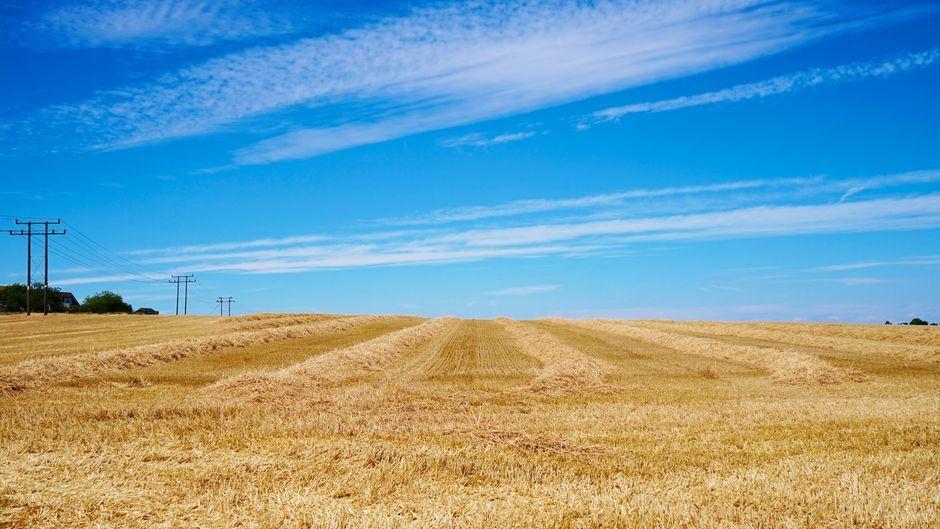
Stock photo for illustration only, not from the actual event
- The Met Office is set to confirm UK summer 2026 as the hottest since records began in 1884.
- The UK faced five widespread heatwaves and 40 days with temperatures exceeding 30°C.
- The highest temperature reached 38.1°C at Kew Gardens in London on August 13.
- Europe is warming at roughly twice the global rate, driving frequent extreme summer temperatures.
The Met Office is expected to formally confirm that the United Kingdom has experienced its hottest summer since records began in 1884. Provisional figures for June, July, and August, scheduled for release on Tuesday afternoon, are anticipated to show that mean temperatures covering both daytime and overnight values have surpassed the previous record set just last year.
This extreme warmth follows a persistent spring and summer featuring five widespread heatwaves and 40 days where temperatures climbed above 30 degrees Celsius (86 Fahrenheit), comfortably smashing the previous record of 34 days. The soaring figures were driven largely by persistent high-pressure systems dominating the UK weather alongside warm winds blowing from continental Europe.
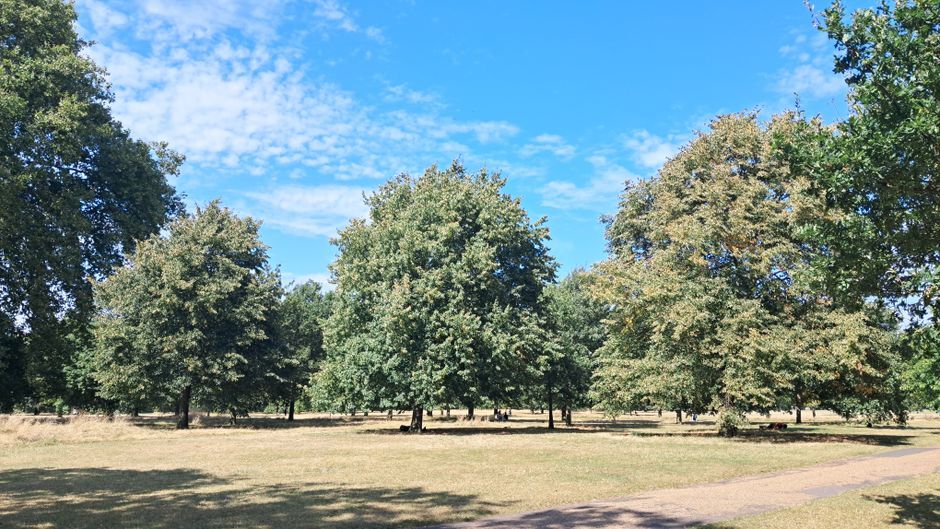
Stock photo for illustration only, not from the actual event
The seasonal temperature data highlights several notable records broken across the country:
- Temperatures hit 35°C or higher on 10 separate days, beating the previous record of five days set in 1976 and matched in 2020.
- Temperatures of 35°C+ were recorded across four calendar months: May, June, July, and August.
- Temperatures reached 37°C or higher on three separate days, marking a new record.
- The highest temperature recorded this summer reached 38.1°C (100.6F) at Kew Gardens in London on August 13.
While the second half of August brought a shift toward cooler and wetter weather, with Sheffield recording over a month's worth of rain between August 24 and 30 that triggered flash flooding, overall seasonal temperatures remained firmly around or above the seasonal norm. The prolonged dry spell led to droughts being declared across the entirety of Wales and more than two-thirds of England, alongside devastating wildfires that destroyed 19 homes in Stourbridge, West Midlands.
The continuous breaking of UK summer temperature records underscores the accelerating pace of human-induced climate change. Climate scientists use the term 'record-shattering' for margins that exceed expectations by unusually large gaps. Because Europe sits on the fastest-warming continent on Earth, warming at roughly twice the global rate due to landmass heating dynamics and Arctic proximity, such extreme seasonal anomalies are becoming increasingly probable.
"Record-shattering" sounds like the kind of language we journalists would use. In fact, it is a term climate scientists use for records broken by unusually large margins.
Ben Rich and Justin Rowlatt, BBC
Source: BBC Science & Environment
Found something wrong in this article? Report an issue with this article
Comments
Leave a Comment