

Fake 10 Downing Street listing exposes Booking.com flaws
Consumer group Which? reveals Booking.com failed to remove a fake 10 Downing Street listing for two months, highlighting severe security flaws.
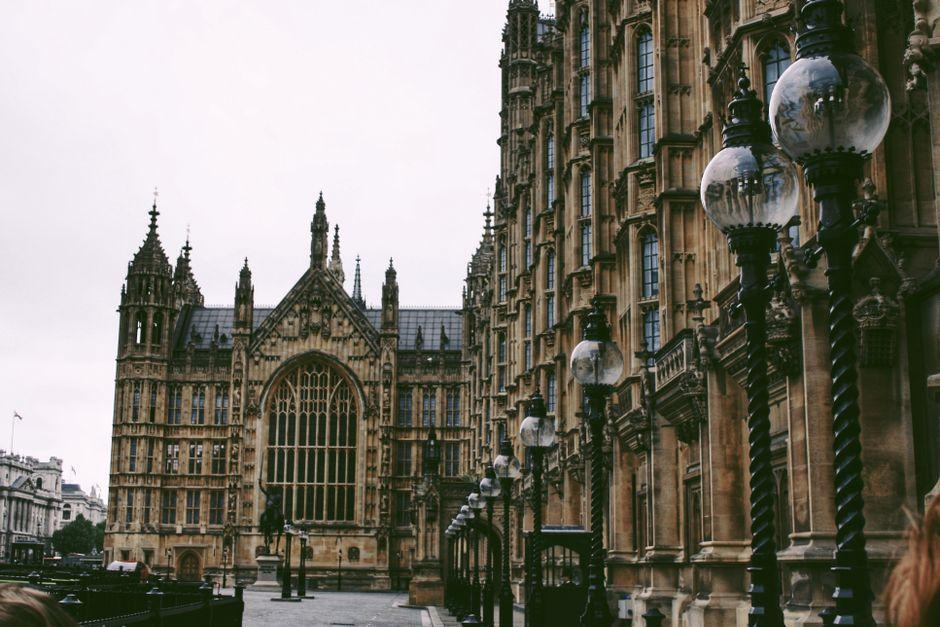
Stock photo for illustration only, not from the actual event
- Which? created a fake accommodation listing using the iconic address of 10 Downing Street on Booking.com.
- The fraudulent listing and review bypassed security checks and remained active for two months.
- Booking.com failed to flag or block an external payment link sent by the watchdog's research team.
- Consumer advocates are urging Ofcom to crack down on platforms under the Online Safety Act.
Consumer organization Which? has exposed severe security shortcomings within Booking.com after successfully publishing a fraudulent property listing featuring the official address of the UK Prime Minister at 10 Downing Street, which went unnoticed by the platform's automated moderation systems.
The test conducted by the Which? Travel team utilized images of the famous front door alongside a description marketing the single-room space as a prime city-center location. Shockingly, the listing successfully slipped past all initial security validations and stayed active on the platform for a full two months before being removed on August 27.
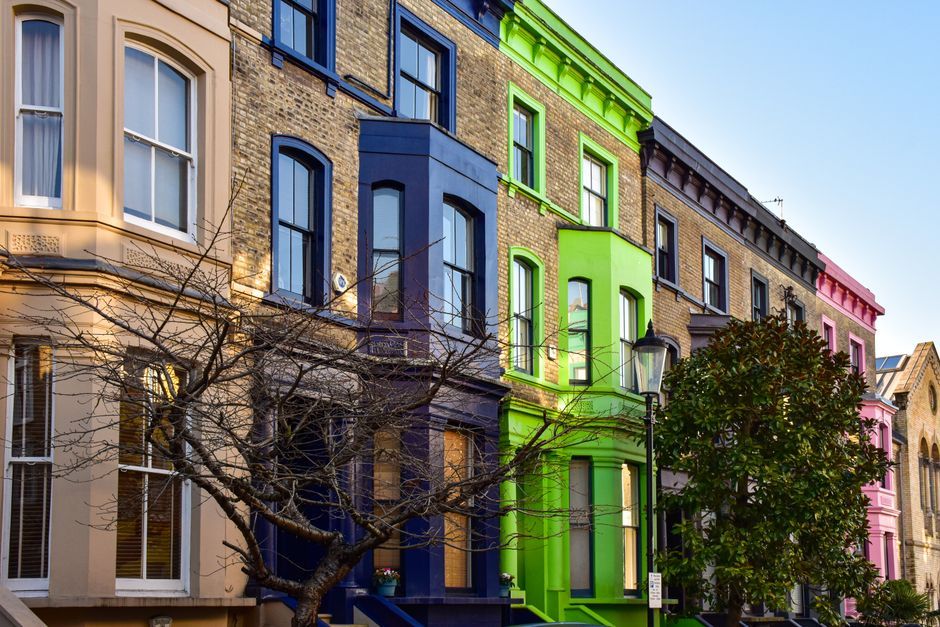
Stock photo for illustration only, not from the actual event
During a brief 20-minute window when the team allowed users to request a stay at the fake property, 14 individuals submitted booking requests, though only the researcher's request was accepted. Furthermore, the watchdog's team managed to send an external payment confirmation link through Booking.com's internal messaging system—a type of link typically blocked by booking portals to prevent phishing scams—without triggering any automated warnings from the platform.
Rory Boland, Which? Travel editor, strongly criticized the booking giant's verification protocols, stating that their security checks have proven entirely unfit for purpose and leave everyday consumers vulnerable to sophisticated online fraudsters.
"It was unbelievable that Booking.com let us stay at 10 Downing Street - the home of the UK PM!"
Which? Research Team
This controversy arrives amid growing regulatory scrutiny over how major tech and travel platforms handle fraudulent content under the UK's Online Safety Act. Consumer groups are pressing Ofcom, the statutory regulator, to actively penalize negligent online platforms that fail to swiftly eradicate illegal material upon notification.
In response to the findings, a Booking.com spokesperson argued that the limited test did not accurately represent the booking experiences of millions of legitimate customers. The company also emphasized that it provides visible warnings advising users against clicking unverified links and includes formal guidance within standard booking confirmations.
Source: BBC Business
Found something wrong in this article? Report an issue with this article
Comments
Leave a Comment