

UK kids in mental health crisis surging to A&E
RCPCH reports a 36% rise in 6 to 17-year-olds attending A&E for mental health crises between 2019 and 2025, with over 6,200 waiting past 12 hours.
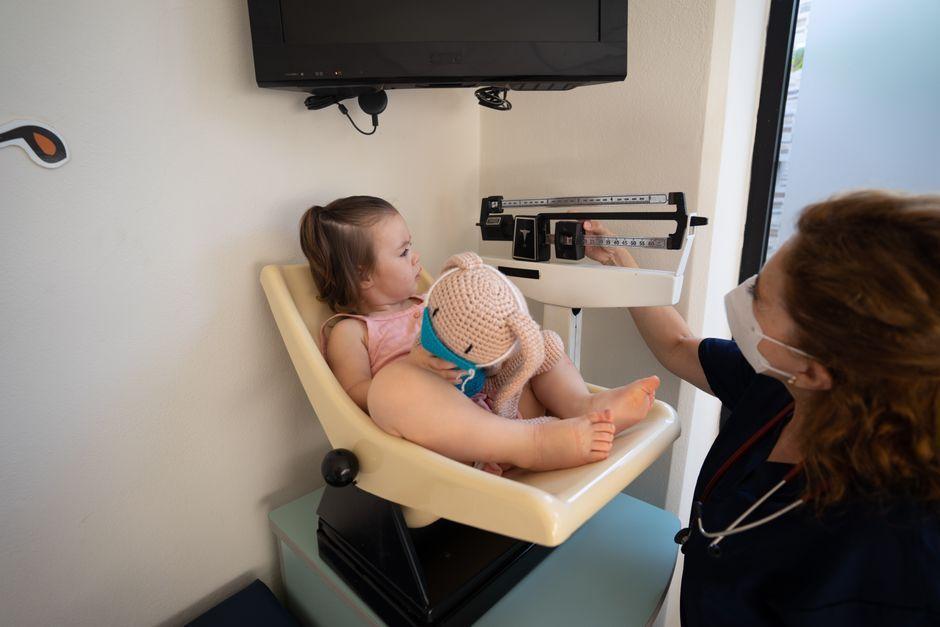
Stock photo for illustration only, not from the actual event
- Children aged 6-17 attending A&E for mental health crises rose 36% from 2019 to 2025
- 2025 saw 75,491 emergency department attendances by children, up from 55,525 in 2019
- Over 6,200 children, roughly 8%, waited longer than 12 hours in A&E
- Experts urge the government to accelerate community-based mental health support
A striking new analysis by the Royal College of Paediatrics and Child Health (RCPCH) has revealed a sharp increase in the number of children and young people arriving at emergency departments across the UK in severe emotional distress, self-harming, or experiencing eating disorders and mental health crises.
According to figures obtained via a Freedom of Information request from NHS England, attendances at A&E by children aged six to 17 for mental health concerns surged by 36% between 2019 and 2025. Total visits reached 75,491 in 2025, climbing steeply from 55,525 in 2019. The sharpest spikes were recorded among very young children aged six to nine, far outpacing the overall rise in general A&E attendances, which grew by just over 8% over the same period.
Doctors reported that these cases involved children brought in by families, carers, and police officers, noting that some youngsters in emotional distress display challenging or aggressive behaviors. More than 6,200 children—accounting for roughly 8% of the total—faced waiting times exceeding 12 hours in accident and emergency departments.
Dr. Sam Jones, RCPCH officer for mental health, highlighted that a widespread shortage of community-based mental health care and crisis support leaves vulnerable children and families with nowhere else to turn.
"Emergency departments are a vital safety net, but they were never designed to be a place where children in mental health crisis wait for days at time."
Dr. Sam Jones, Royal College of Paediatrics and Child Health
Stock photo for illustration only, not from the actual event
Contextual Background: The growing burden of pediatric mental health emergencies highlights structural strains within public healthcare systems. When hospitals become the default destination for psychological crises, it places severe pressure on frontline emergency staff while exposing vulnerable children to chaotic, high-stress hospital environments that can exacerbate psychological distress rather than provide proper therapeutic care.
Gemma Byrne from the mental health charity Mind stressed that making children wait more than 12 hours in a frightening A&E environment is unacceptable, advocating for an expanded network of young future hubs combining mental health, employment, and sports support.
Meanwhile, a Department of Health and Social Care spokesperson stated that improvements are underway through investments in school mental health teams and over 150 community hubs in locations like banks and libraries, with a new national mental health strategy expected later in the summer.
Source: BBC Health
Found something wrong in this article? Report an issue with this article
Comments
Leave a Comment