

Seafood Buffet Strategy 2026: High-Value Items
Discover seafood buffet ingredient costs ranging from 200 to 1,500+ baht per kg and a 4-phase dining timeline from Thairath Lifestyle.
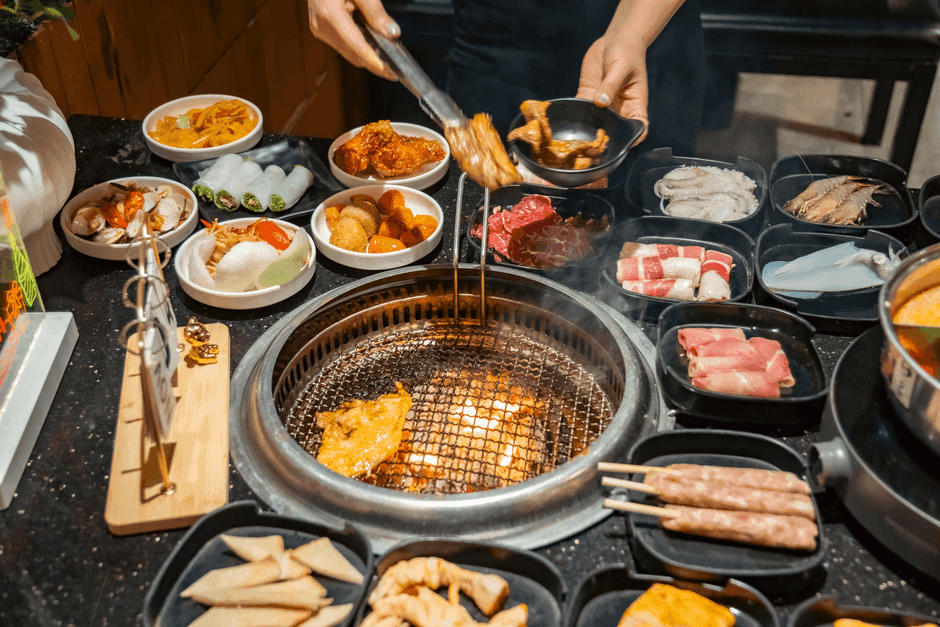
Stock photo for illustration only, not from the actual event
- Hokkaido scallops and sashimi have the highest cost at 800-1,500+ baht/kg.
- Avoid carbs and fried items in the first 45 minutes to prevent quick fullness.
- Divide your meal into 4 phases from Start Light to Grand Finale.
- Information referenced from the Bureau of Nutrition and local fresh markets.
Stepping into a seafood buffet with the goal of getting your money's worth requires understanding market ingredient costs. Different seafood items carry vastly different average prices per kilogram, making strategic planning essential to extract maximum value from your meal without uncomfortably overeating.
Market surveys from vendors like Ying Charoen Market and Thai Talay Market indicate that premium items such as Hokkaido scallops and premium sashimi cost between 800 and 1,500+ baht per kilogram, ranking at the highest value level of 5 out of 5. Grilled river prawns and tiger prawns cost 500 to 900 baht per kilogram, also rated 5. Meanwhile, blue swimmer crabs, sea crabs, snow crab legs at 450 to 1,200+ baht, and imported fresh oysters at 400 to 800 baht hold a value rating of 4, while squid and New Zealand mussels at 200 to 350 baht sit at a moderate level of 3.
Selecting items based on their unique characteristics ensures a satisfying experience. Grilled river prawns should be chosen with creamy roe and bouncy flesh, while fresh oysters pair wonderfully with lemon or crispy shallots for natural sweetness. Crabs offer sweet meat, but time management is crucial when shelling them. Starting the meal with salmon and tuna sashimi primes the palate nicely without heavy carbs weighing you down.
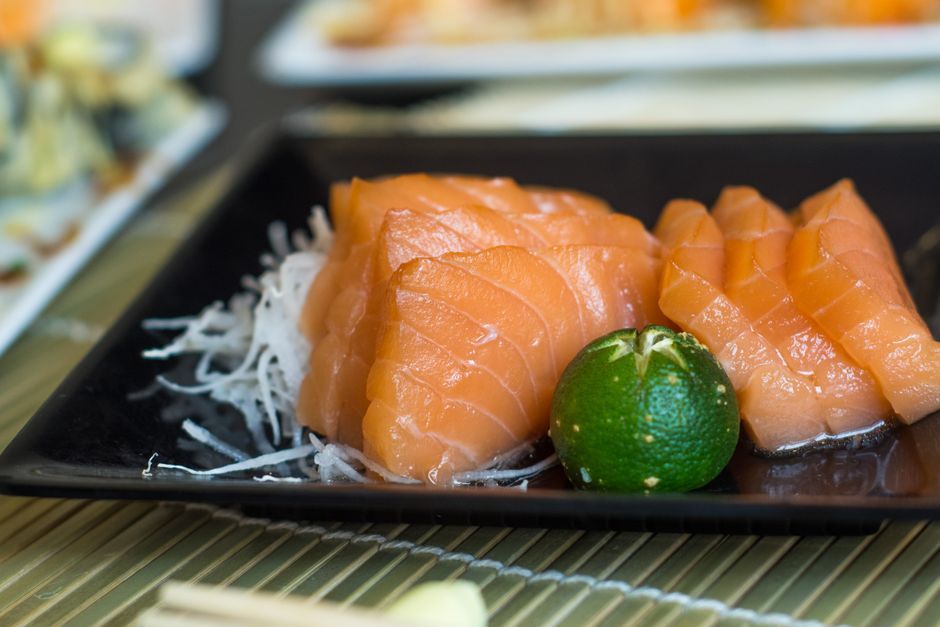
Stock photo for illustration only, not from the actual event
Furthermore, during the first 45 minutes of the meal, diners should exercise caution with heavy carbohydrates and fried foods such as crab fried rice, creamy pasta, deep-fried items, and stretchy cheese. Carbs can make you feel full twice as fast, while fats and high-sugar drinks signal the brain to feel bloated and heavy much earlier than expected.
Managing stomach capacity during a buffet is both a science and an art rooted in digestive physiology. Proteins and fats take longer to break down compared to simple carbohydrates, and structuring your intake prevents sudden insulin spikes while extending your culinary enjoyment across a wider variety of dishes.
A structured 4-phase timeline optimizes the experience: Start Light for the first 20 minutes with easily digestible items like sashimi and fresh oysters; Main Seafood from minutes 20 to 60 featuring grilled prawns, crabs, and scallops; Balance & Cut Grease throughout the meal by sipping hot tea or water instead of soda; and Grand Finale in the final 20 minutes with enzyme-rich fresh fruits like pineapple.
Source: Thairath Lifestyle
Found something wrong in this article? Report an issue with this article
Comments
Leave a Comment