

AI Scalability: A Systems Engineer's Guide to Code
Explore AI scalability through a systems engineering lens, examining matrix operations, GPU architecture, and PyTorch fundamentals.
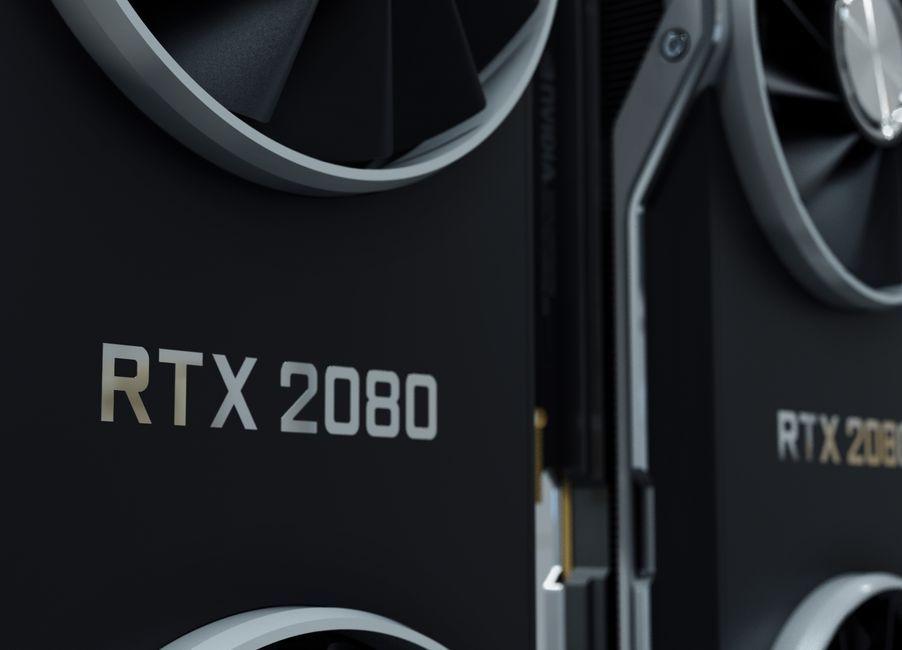
Stock photo for illustration only, not from the actual event
- AI theory transitioned into practical engineering in 2012 with AlexNet powered by dual GTX 580 GPUs.
- Memory layout and cache management in C and C++ serve as the foundation for NumPy performance.
- NumPy Strides concept enables O(1) matrix transposition without moving underlying data.
- Directed Acyclic Graph data structures drive automatic differentiation systems in PyTorch.
Back in 2001, during the final year of a Computer Science degree, the author chose AI and Neural Networks as an elective. The theory back then felt entirely theoretical and impossible to touch, much like astronomy, yet carried a strong sense of future relevance.
That changed in 2012 when a graduate student running two GTX 580 GPUs at the University of Toronto revolutionized the field. AlexNet won the ImageNet competition by a massive margin, effectively ending the hand-crafted computer vision era and sparking the deep learning revolution. The core algorithms remained unchanged, but matrix multiplications could suddenly execute in parallel across thousands of GPU cores simultaneously.
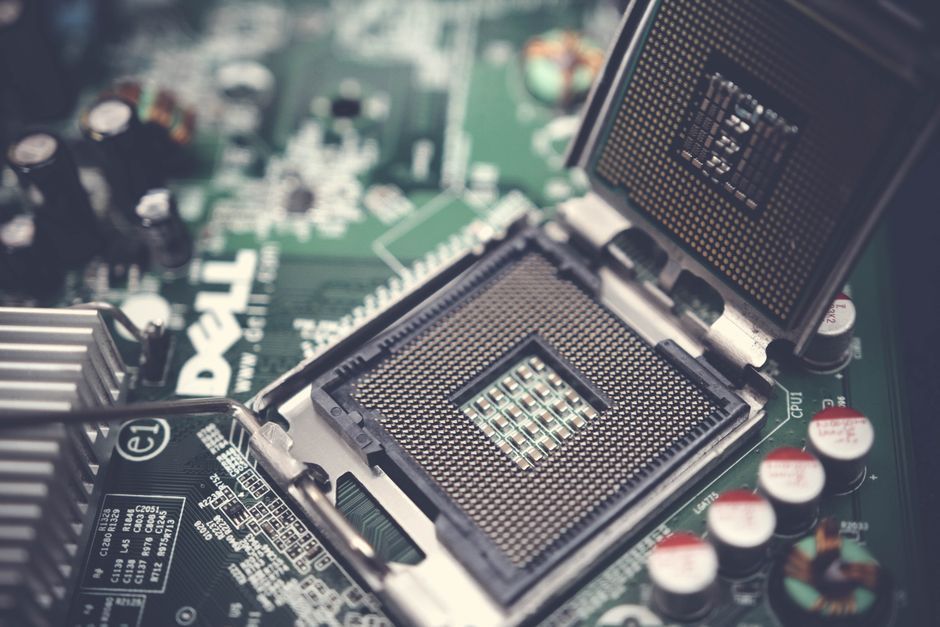
Stock photo for illustration only, not from the actual event
This article bridges years of building low-level systems using C, C++, and Java with the inner workings of NumPy, PyTorch, and modern machine learning frameworks, proving that foundational engineering principles still apply.
Understanding the link between low-level systems code and AI frameworks empowers developers to optimize performance and prevent critical memory bottlenecks in modern applications.
Examining a simple 2D matrix in C reveals that syntax dictates the physical layout of data in DRAM address space. Every decision regarding memory layout directly impacts CPU performance through cache behavior.
Transitioning from CPU to GPU requires a philosophical shift rather than a mere scale upgrade. A standard CPU features 8 to 32 complex high-frequency cores, whereas an NVIDIA A100 deploys 6,912 simpler cores executing in lockstep groups of 32 threads known as warps under the SIMT model.
"Everything since has been the answer to one question: what happens if we keep throwing more GPU compute at this?"
Vinod Nalla
PyTorch's automatic differentiation engine relies on a Directed Acyclic Graph (DAG) where nodes represent tensor operations and edges carry gradients, illustrating that backpropagation operates on established calculus chain rules.
Source: Dev.to
Found something wrong in this article? Report an issue with this article
Comments
Leave a Comment