

Why Luxury Hotel GMs Need a Razor-Sharp Point of View
Explore how Four Seasons Scottsdale GM Jerome Arribas rejected a lobby bar to preserve desert views, highlighting the challenge of scaling luxury hospitality.
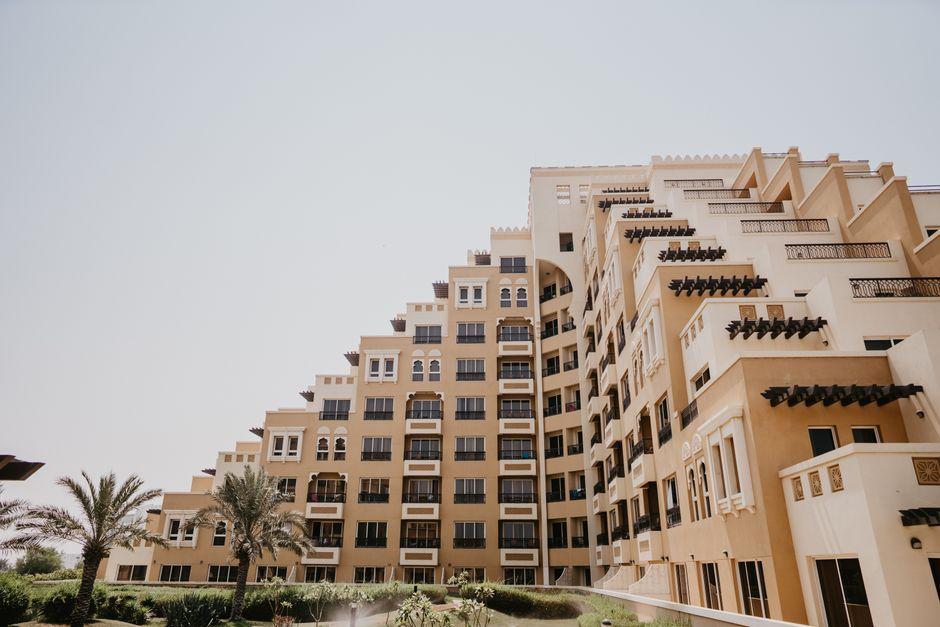
Stock photo for illustration only, not from the actual event
- Scaling luxury hotel brands risks making properties homogenous and losing distinct identity.
- General managers serve as the final line of defense for a property's unique guest experience.
- Four Seasons Scottsdale GM Jerome Arribas rejected a lobby bar to protect desert sightlines.
- Effective luxury GMs must balance commercial viability with experiential vision and financial literacy.
As hospitality brands expand and standardize their operations globally, properties face the ongoing risk of losing their distinctive local character. While brand consistency offers operational value, it can gradually erode the unique soul of a property unless guided by a strong, independent leadership team on the ground.
A recent walkthrough at Four Seasons Resort Scottsdale at Troon North highlighted this exact tension. An architect and investors proposed adding a bar to the lobby, pointing to the commercial upside of generating local energy and utilizing unused space. However, Jerome Arribas, the resort's general manager, recognized the intangible value that would be sacrificed in the process.
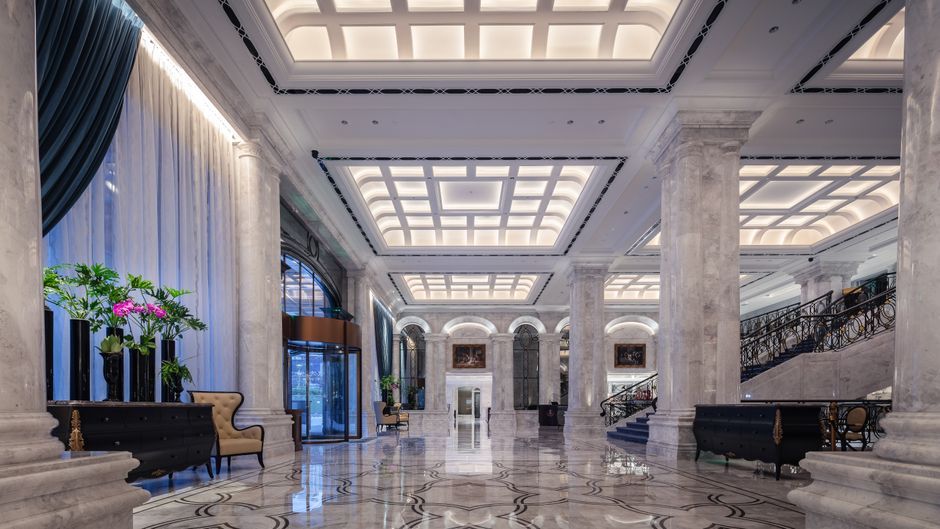
Stock photo for illustration only, not from the actual event
Arribas immediately understood that the structure would disrupt the natural sightlines defining the arrival experience. He firmly rejected the addition, emphasizing that protecting the sweeping view of the landscape was far more critical to the property's core identity than short-term commercial gains.
"There will never be a bar here. You’re going to hide the million-dollar view. That is the core essence of this resort."
Arribas has a history of making tough experiential edits, previously removing a sports bar featuring televisions and chicken wings from the arrival sequence during his tenure at Four Seasons Vail. Beyond architecture, he calibrates subtle atmospheric details such as signature scents, uniform colors, and mesquite smoke to align the property with the rhythms of the Sonoran Desert.
The role of a luxury general manager has evolved beyond simply enforcing corporate brand standards. It requires editorial discipline to fend off incremental commercial additions that dilute the guest experience over time—a phenomenon often described as death by a thousand cuts. Modern GMs must balance creative vision with business acumen to protect long-term brand equity.
Rather than relying strictly on top-down directives, Arribas fosters staff empathy by having employees experience the property from a guest's perspective. This approach equips team members with the judgment needed to improvise and maintain high service standards while safeguarding the singular identity of the hotel.
Source: Skift
Found something wrong in this article? Report an issue with this article
Comments
Leave a Comment