

Emirates Pushes Premium Economy Upmarket on A350 Jets
Emirates has unveiled new premium economy seats on its Airbus A350 aircraft featuring full-height electric privacy dividers to capture high-yield travelers.
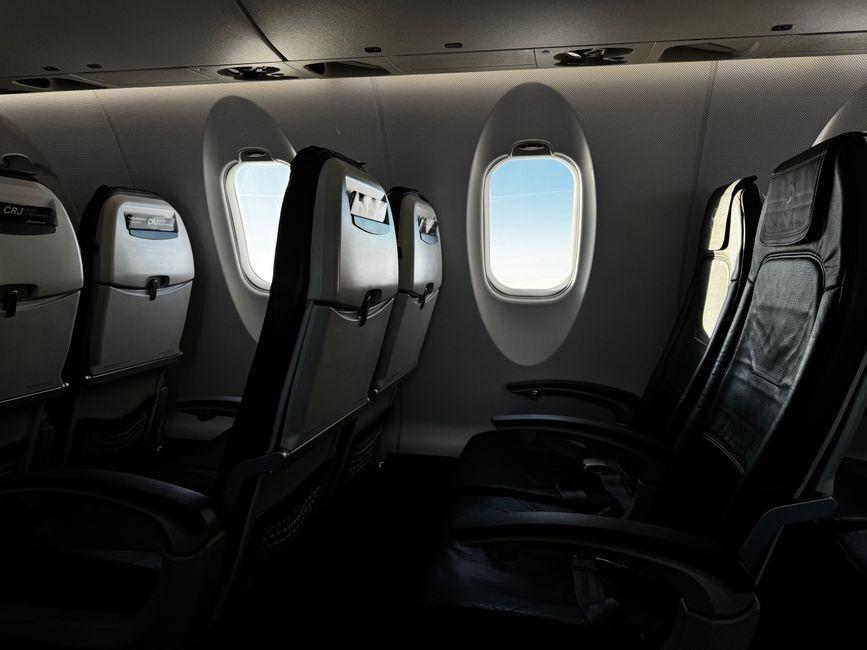
Stock photo for illustration only, not from the actual event
- Airlines are pivoting from passenger volume growth to maximizing yield per traveler.
- Emirates debuted its new A350 premium economy seat featuring an electric privacy divider and 4K display.
- Global premium cabin revenue now accounts for 24% or $188 billion of total passenger revenue.
Airlines can no longer rely solely on passenger volume growth as the post-pandemic recovery levels off, with global passenger revenue projected to approach $900 billion by 2027 while annual growth slows to low single digits. Consequently, carriers are fighting much harder to capture travelers willing to pay higher fares for enhanced comfort.
While the aircraft luxury race was historically fought at the very front of the cabin with millions poured into first-class suites and flat business-class beds, the battleground has shifted a few rows back. On Thursday, Emirates launched a brand-new premium economy product equipped with a full-height, electrically operated privacy divider that passengers can raise and lock using a personal control pad.
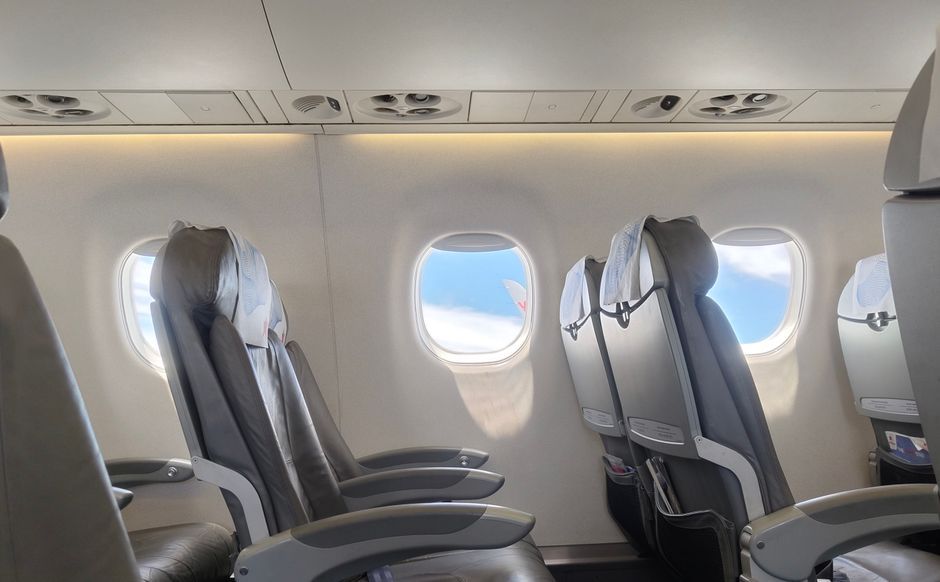
Stock photo for illustration only, not from the actual event
Fitted to the airline's new-generation Airbus A350 jets, the upgraded seat is designed to justify a higher fare with premium amenities. These include electric recline with preset lounge and meal modes, a leather U-shaped headrest, a deployable footrest, built-in wireless charging, and a crisp 4K entertainment screen.
The financial math behind the shift is compelling because premium fares generate 1.5 to 3 times the revenue of standard economy while requiring only modestly more cabin space and service cost. Premium cabins currently represent roughly 24% of global passenger revenue, translating to $188 billion. Major carriers like Delta have seen premium offerings surge to comprise half of their total passenger revenue, prompting airlines like Virgin Atlantic to reconfigure their fleets and long-time holdouts like Turkish Airlines to relent, leaving Qatar Airways and Etihad as notable long-haul exceptions.
As carriers expand premium economy and simultaneously slice business class into à la carte tiers, the competitive landscape is shifting dramatically. While this gives corporate and high-yield travelers more granular choices, it also introduces strategic risks; if too many airlines scale up their premium capacities simultaneously, they risk competing for a finite pool of high-spending passengers, placing intense pressure on yields and making authentic product differentiation essential.
Source: Skift
Found something wrong in this article? Report an issue with this article
Comments
Leave a Comment