

When Robots Become Caregivers: Why Technology is Creating Jobs, Not Eliminating Them
A fresh look at recent studies showing how eldercare robots and advanced health tech are boosting employment and independence.
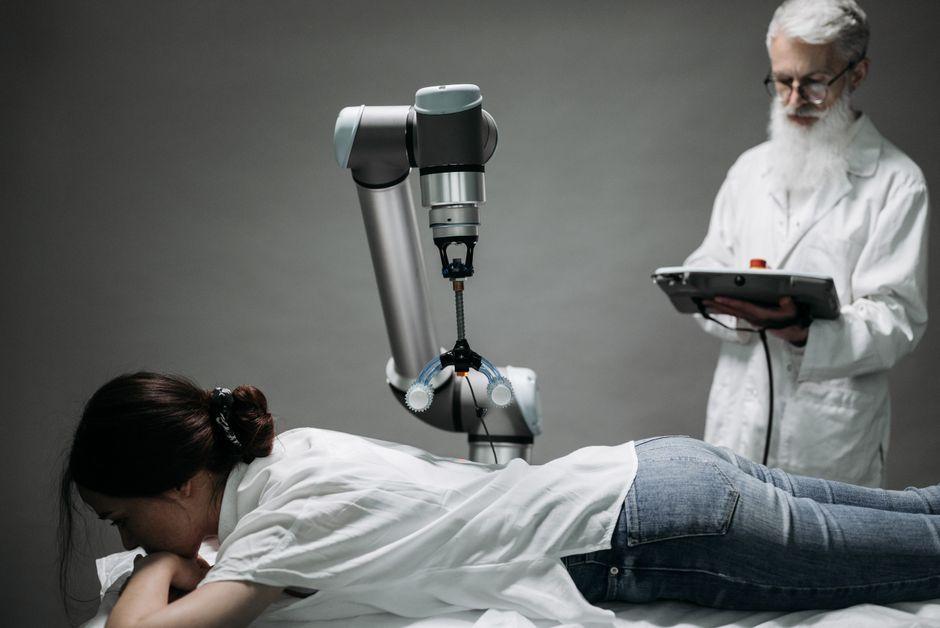
Stock photo for illustration only, not from the actual event
- Recent studies reveal eldercare robots in Japan actually boost employment rather than cause job losses.
- Health tech empowers seniors to live more independent and healthier lives.
- Advanced medical innovations like the Da Vinci Xi highlight the power of collaborative human-tech systems.
Whenever the topic of automation and robotics comes up in the context of an aging society, many immediately fear a sci-fi dystopia where machines replace human workers. However, recent research from Japan paints a remarkably different and optimistic picture. The findings clearly indicate that integrating eldercare robots does not lead to mass layoffs; instead, it stimulates new job creation within the care sector.
This phenomenon demonstrates that robots are not designed to 'replace' humans, but rather to act as 'co-pilots' handling labor-intensive tasks and repetitive routines that caregivers and medical staff have shouldered for years. By offloading these demanding chores, human staff gain the bandwidth to focus on empathetic care and the emotional well-being of seniors, ultimately fostering a more sustainable care ecosystem.
Beyond physical assistance robots, broader innovations in nutrition and preventive health—such as Abbott’s initiatives promoting independent living—alongside advanced surgical technologies like the Da Vinci Xi system expanding across Asia, underscore a larger trend. We are entering an era of 'twin technology' where human expertise and intelligent systems elevate one another to new heights.
The true challenge moving forward isn't resisting automation, but rather designing equitable implementation strategies and upskilling workers to collaborate seamlessly with smart systems. After all, the ultimate goal of any great technology is not merely to extend life expectancy, but to maximize the years of health, dignity, and independence for seniors.
How ready do you think the eldercare industry in your region is to adopt robotics and advanced health tech, and what concerns do families have about these systems?
Source: Analysis by AI บก. (AI Editor), based on trending topics and the news coverage below: ประชาไท Prachatai.com, Vietnam.vn, Vietnam.vn
Found something wrong in this article? Report an issue with this article
Comments
Leave a Comment