

Devastating European Wildfires Force Mass Evacuations in France and Spain
Europe faces historic heatwaves triggering the worst wildfires in decades, scorching hundreds of square miles and spawning dangerous fire thunderstorms.
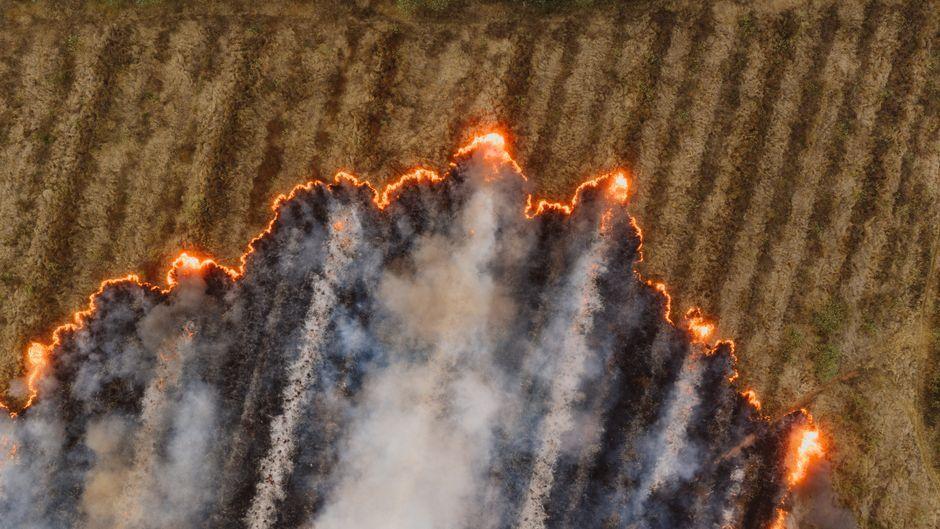
Stock photo for illustration only, not from the actual event
- Severe wildfires tear through France and Spain, forcing over 300,000 people to evacuate.
- The Madrid region sees roughly 297 square miles burned, surpassing the size of the city itself.
- France's Gironde region loses over 162 square miles to flames in less than four days.
- Extreme blazes create rare fire thunderstorms capable of generating their own lightning and new fires.
Historic wildfires are raging across France and Spain, forcing more than 300,000 residents to evacuate their homes as blazes devastate vast regions. France has experienced its worst fire season in two decades, while officials in the Spanish capital of Madrid describe the ongoing disaster as the most severe the region has ever witnessed. The catastrophe follows a sweltering summer marked by relentless heatwaves across Europe, which have driven temperatures above 40C (104F) in numerous areas.
Authorities estimate that separate wildfires in the districts surrounding Madrid have collectively consumed about 297 sq miles (770 sq km), an expanse larger than Madrid itself. In France, the hardest-hit area is Gironde near the city of Bordeaux, where over 200,000 individuals have been displaced. The inferno has spread aggressively through forests and agricultural fields within France's renowned wine territory, scorching more than 162 sq miles (420 sq km) in less than four days—an area roughly four times the size of Paris. The flames now stand merely nine miles (15km) away from the southern edge of Bordeaux.
The fires have also posed severe threats to sensitive military and industrial installations in the region, including facilities tied to French ballistic missiles, rocket motor development, and hazardous chemical processing. Satellite imagery captured above Gironde displays vast expanses of blackened, scorched earth accompanied by thick smoke drifting eastward inland. The blazes have escalated to such an extreme level that they have successfully generated their own massive fire thunderstorms.
<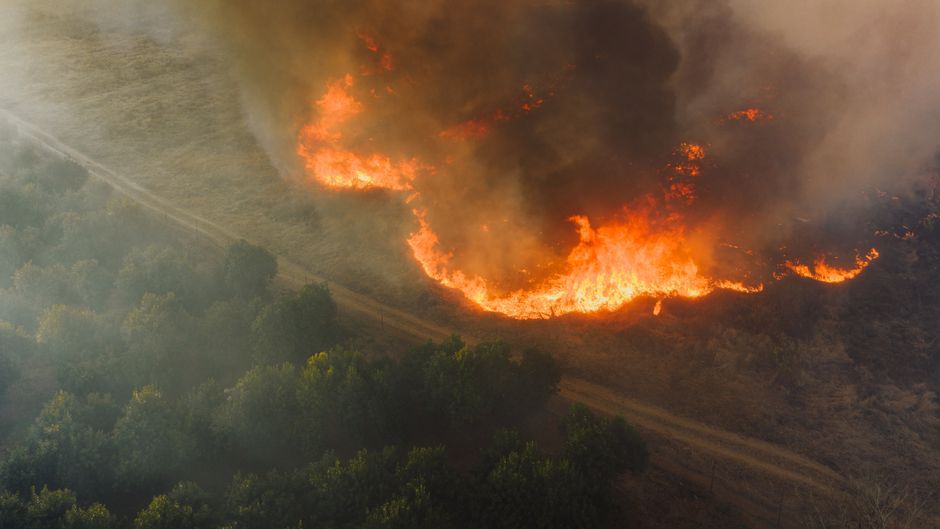
Stock photo for illustration only, not from the actual event
This rare atmospheric phenomenon occurs when intense heat from the wildfires causes the air above to rise rapidly, lifting smoke, ash, and water vapor high into the upper atmosphere. As this air ascends, it cools, and the water vapor condenses to form a cloud. Given sufficient fire intensity and an unstable atmosphere, the cloud can expand into a cumulonimbus—the exact cloud type linked to traditional thunderstorms. When these clouds grow large enough, they can produce their own lightning strikes, potentially igniting brand new fires while occasionally bringing rain and hail.
"undoubtedly the largest fire in the history of the Madrid region"
Francisco Martin, government delegate in Madrid
The formation of fire-generated thunderstorms (Pyrocumulonimbus) represents one of the most perilous hurdles for firefighting operations. Rather than just being a byproduct of the flames, these storm clouds actively escalate the danger by hurling down unpredictable lightning strikes and triggering erratic wind patterns, complicating efforts to contain fires fueled by climate change-driven dryness.
To battle the crisis, French authorities have deployed roughly 2,500 firefighters, 1,500 military personnel, and 1,200 police officers and gendarmes. Firefighting aircraft, including Canadair planes capable of scooping 6,000 litres of water from lakes or the sea within 12 seconds, have been deployed continuously. Near the town of Lacanau, bulldozers and mechanical diggers have carved out firebreaks reaching up to 100 meters (328 feet) wide in places, stripping away vegetation to halt the advancing flames.
Source: BBC Science & Environment
Found something wrong in this article? Report an issue with this article
Comments
Leave a Comment