

Lexar Muse SSD is under 4mm thick with a proprietary cable
Lexar announces the Muse portable SSD in 512GB and 1TB capacities, measuring just 3.8mm thick with speeds up to 1,050MB/s, utilizing a proprietary magnetic SnapLink cable.

Stock photo for illustration only, not from the actual event
- Lexar Muse is an ultra-slim portable SSD unveiled during IFA 2026
- Features a thickness of 3.8mm at the center and tapers to 1mm at the edges
- Delivers read speeds up to 1,050MB/s and write speeds up to 1,000MB/s
- Relies on a proprietary magnetic SnapLink cable instead of a standard USB-C port
Following the lead of companies like Xteink, Lexar is pushing the boundaries of portable storage hardware by sacrificing standard ports in pursuit of extreme thinness, as revealed during IFA 2026. The upcoming Lexar Muse Ultra-Slim Portable SSD aims to be one of the slimmest storage drives on the market when it launches later this year in 512GB and 1TB storage capacities, targeting users who prioritize a lightweight profile above all else.
The physical profile of the Lexar Muse is remarkably slim, measuring a mere 3.8 millimeters at its thickest point in the middle of the chassis. The edges taper down to an even thinner 1 millimeter. This sleek form factor is achieved through high-density NAND stacking technology combined with a custom ultra-thin printed circuit board (PCB) architecture housed internally.
Despite its featherweight design, performance remains robust. The drive supports read speeds of up to 1,050MB/s and write speeds peaking at 1,000MB/s. This level of performance is fast enough to seamlessly record 4K Apple ProRes video at up to 120 frames per second when plugged into a compatible smartphone.
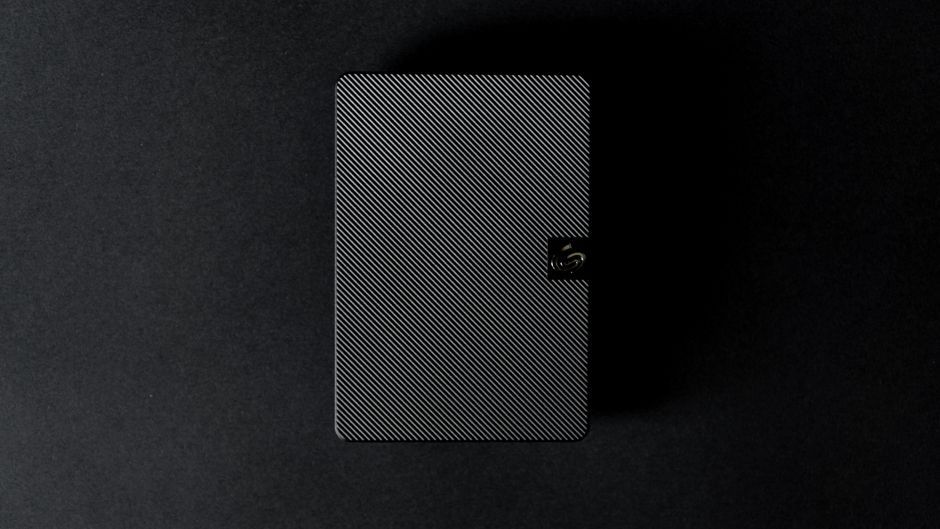
Stock photo for illustration only, not from the actual event
The major trade-off for this ultra-thin design is the complete absence of a standard USB-C port. Users must rely exclusively on Lexar’s proprietary SnapLink cable, which attaches magnetically to a pogo-pin connector on the side of the drive. While the company has not disclosed the exact magnetic strength, this design introduces a higher risk of the cable being accidentally dislodged during file transfers. Furthermore, using the drive for mobile video recording requires slipping it into an included magnetic sleeve to mount it onto the back of a phone, which adds a noticeable amount of thickness back into the setup.
Ditching standard connectors like USB-C in favor of proprietary magnetic solutions highlights a growing design trend aimed at mobile videographers who need flush, cable-managed external storage. However, relying on proprietary cables creates potential inconvenience and replacement hurdles for consumers if the original accessory is misplaced or damaged during travel.
Source: The Verge
Found something wrong in this article? Report an issue with this article
Comments
Leave a Comment