

Japanese Design Market: Why Nordic Aesthetics Need Local Ties
Nykänen Andersson at the Finnish Embassy in Tokyo discusses cross-cultural collaborations like Artek and Hender Scheme.
Stock photo for illustration only, not from the actual event
- Nykänen Andersson explores design synergies between Finland and Japan
- Finnish brands like Artek, Iittala, and Marimekko thrive in Japan
- Sustainable growth requires physical presence and local partnerships
- Artek recently collaborated with Tokyo footwear label Hender Scheme
Operating from the Embassy of Finland in Tokyo, Nykänen Andersson examines the inherent cultural resonance bridging Finnish and Japanese design mindsets. Despite vastly distinct geographic roots, both traditions prioritize natural materials, human-scale design, and an intuitive enhancement of everyday life over grandiose statements.
Iconic Finnish entities such as Artek, Iittala, and Marimekko have successfully established a lasting footprint in Japan by aligning with a local culture that profoundly values longevity, tactile engagement, and time-honored craftsmanship.
Entering the Japanese design market goes far beyond simply exporting foreign products; it requires a deep appreciation for local cultural nuances, ritualistic attention to detail, and tactile craftsmanship that resonate strongly with Japanese consumers.
For studios aiming to scale internationally, navigating complex markets like Japan demands dropping the assumption that domestic appeal translates automatically abroad. Sustainable global growth relies on tangible physical presence, deep listening, and aligned local partners.
Stock photo for illustration only, not from the actual event
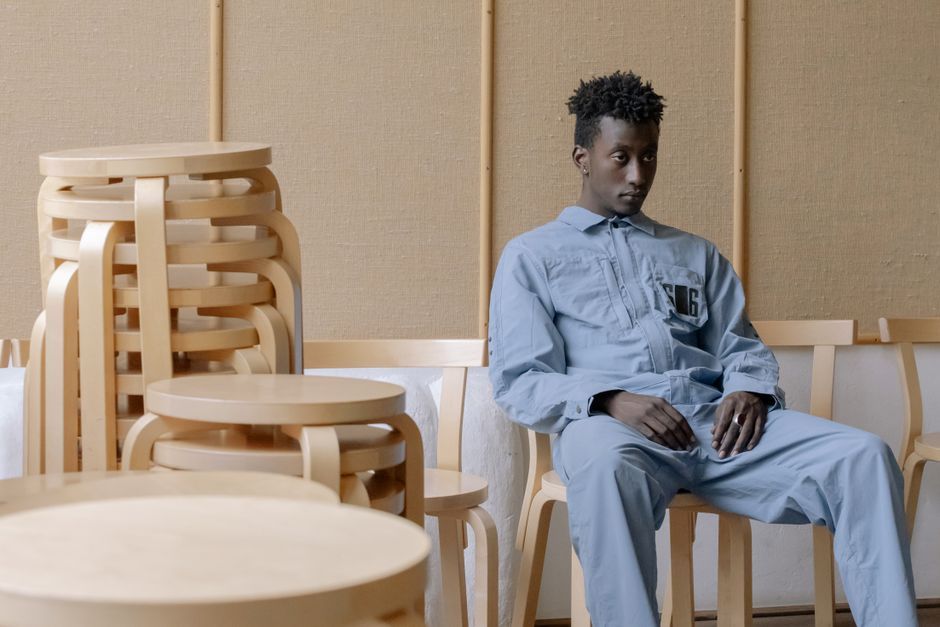
The philosophy of slow, meaningful exchange finds modern expression through cross-cultural partnerships, exemplified by the recent collaboration between Artek and Tokyo footwear label Hender Scheme.
By combining Artek's classic birch with Hender Scheme's vegetable-tanned leather, the collection introduces a playful and highly tactile intervention upon timeless architectural forms.
Source: designboom
Found something wrong in this article? Report an issue with this article
Comments
Leave a Comment