

Thea Energy lands $20M federal grant to build its magnets for fusion reactors
Fusion power startup Thea Energy secures a $20 million grant from the U.S. Department of Energy to manufacture modular HTS magnets for its stellarator reactor.
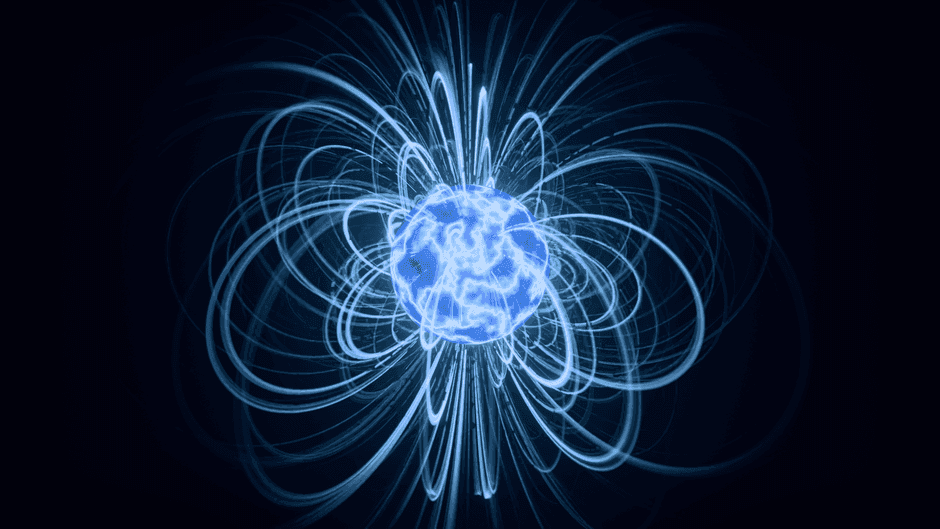
Stock photo for illustration only, not from the actual event
- Thea Energy receives a $20 million award from ARPA-E
- The funds will support the manufacturing of modular HTS magnets
- The company's reactor relies on a complex stellarator design
- The startup aims to build a commercial fusion plant by the mid-2040s
Manufacturing hardware for hard-tech startups is notoriously expensive, but fusion power developer Thea Energy is receiving a major financial boost courtesy of the U.S. Department of Energy to help ease those costs.
The startup informed TechCrunch on Monday that it has secured a $20 million award from ARPA-E aimed at facilitating the production of its modular high-temperature superconducting (HTS) magnets.
HTS magnets are costly yet critical components within any magnetic confinement reactor, which represents one of the two primary methods startups utilize to harness commercial fusion power. Inside these magnetic confinement reactors, powerful magnetic fields contain and compress plasma while heating fuel particles until fusion occurs and massive amounts of energy are released.
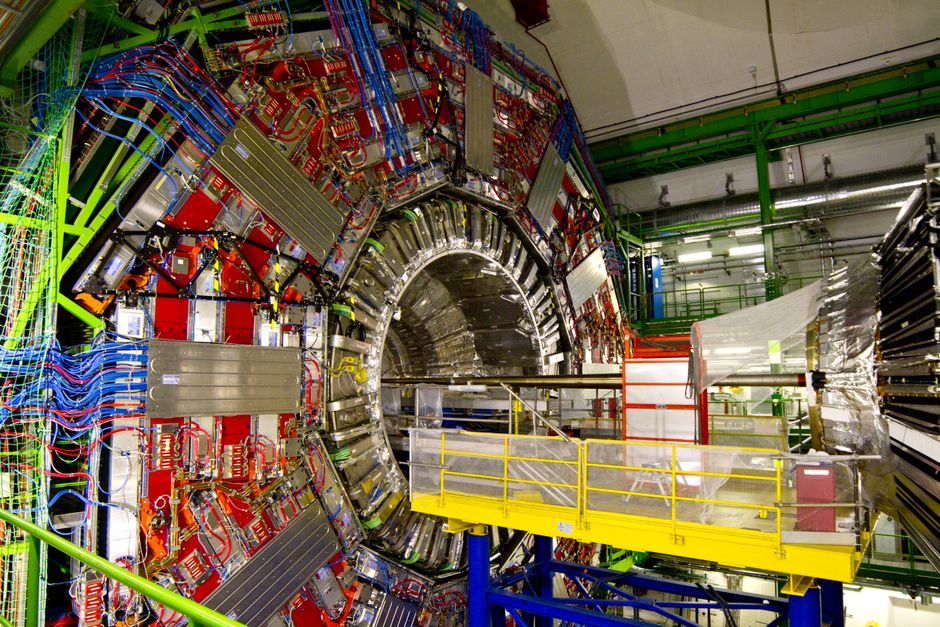
Stock photo for illustration only, not from the actual event
Thea's reactor builds upon an architectural design known as a stellarator. Stellarators resemble inner tubes that undergo twisting and squeezing manipulations to confine plasma with greater efficacy. Most stellarator systems deploy magnets custom-built to mimic those specific twists and turns, driving up manufacturing expenses significantly.
The stellarator concept serves as a primary alternative to the widely studied tokamak reactor design. While stellarators excel at maintaining continuous plasma stability without requiring internal plasma currents—thereby avoiding major disruption risks—their complex three-dimensional geometry makes magnet fabrication exceptionally difficult and costly. Thea Energy's strategy of utilizing software-controlled, standardized magnet variants represents a clever engineering approach to overcome this manufacturing barrier.
To curb production costs, Thea relies on fewer design variants. The 12 large magnets responsible for the heavy lifting are fabricated using just four distinct templates, whereas the more than 300 smaller magnets dedicated to fine-tuning the plasma are entirely identical. These components are arranged around the reactor's periphery, mirroring how pixels distribute across a computer display screen.
The company notes that software governs the smaller magnets, an arrangement engineered to allow more forgiving construction tolerances which could ultimately drive down expenses.
Thea ranks among the best-funded fusion energy startups, having previously secured $100 million in May on top of a $20 million Series A round raised in 2024. Mirroring the timeline of many industry peers, Thea harbors ambitions of constructing a commercial-scale fusion power plant by the mid-2040s.
Source: TechCrunch
Found something wrong in this article? Report an issue with this article
Comments
Leave a Comment