

CD sales make an unexpected comeback amid retro tech boom
RIAA reports a 58.6% surge in CD revenue to $171.1 million in H1 2026, driven by Gen Z's growing appetite for simpler retro tech.

Stock photo for illustration only, not from the actual event
- CD revenue in the first half of 2026 jumped 58.6% to $171.1 million
- Units sold rose 45.7% to reach 17.5 million discs
- Retro tech trend extends to vinyl, typewriters, and dumbphones
- Gen Z embraces older tech to escape constant notifications and algorithms
Compact discs, the shiny round formats once deemed casualties of the streaming era, are mounting a surprising market recovery. Newly released figures from the Recording Industry Association of America (RIAA) have put hard data behind shifting music consumption habits amid a broader retro technology boom.
According to the RIAA report, CDs generated $171.1 million in revenue during the first half of 2026. This represents a 58.6% increase compared to roughly $107.9 million during the corresponding period in 2025.
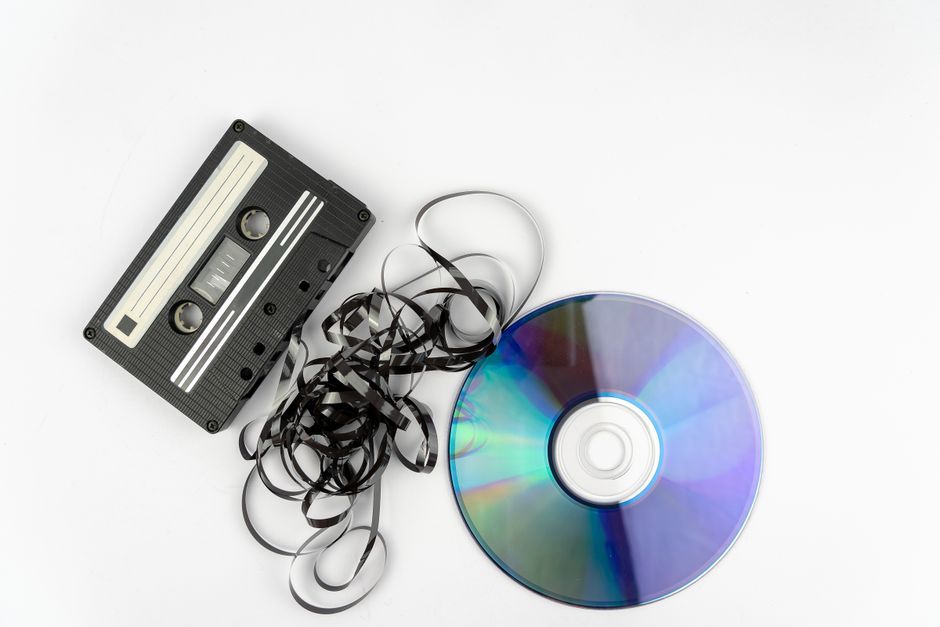
Stock photo for illustration only, not from the actual event
The rebound is matched by significant gains in unit volume. Consumers purchased 17.5 million CD units in the first six months of the year, marking a 45.7% jump from the roughly 12 million units sold during the same timeframe last year.
This upward trajectory is particularly notable given the rough patch the format experienced through 2025. Full-year data from last year showed CD revenue declining 7.8% from $338.9 million in 2024 to $312.4 million in 2025, while unit sales dropped 11.6% from 33.3 million to 29.5 million.
The renewed growth coincides with surging interest in simpler, vintage technology categories. Demand spans dumbphones, digital cameras, typewriters, landlines, and tangible physical media like vinyl records and CDs.
The resurgence of vintage technology among younger demographics highlights a cultural fatigue with hyper-connectivity. By stepping away from algorithm-driven apps and constant push notifications, consumers are reclaiming a sense of intentionality and personal control over how and when they interact with digital tools.
For Gen Z consumers, the pull toward these older gadgets stems from a yearning for an era of technology they never personally lived through. It represents a time when users maintained greater agency over their digital engagement, and technology left less room to disrupt daily life with addictive applications and constant pings.
A wave of startups is currently catering to this movement, including landline manufacturers like Tin Can, Ooma, and Pinwheel, alongside non-smartphone brands such as Light, Dumb Co, Minimal, and the upcoming BlackBerry-styled Clicks. Meanwhile, younger shoppers continue hunting down vintage hardware at thrift stores and online marketplaces like eBay or Retrospekt.
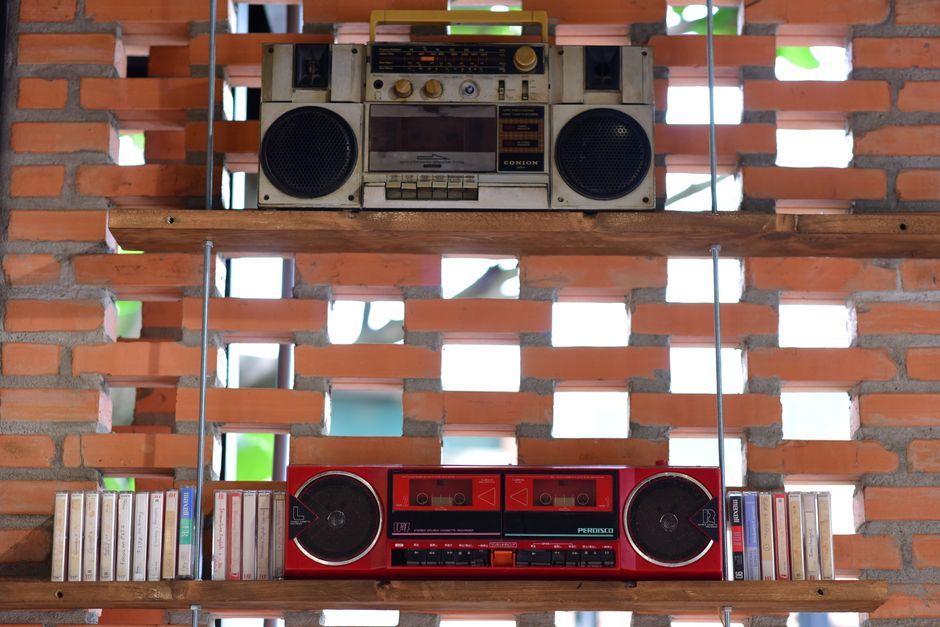
Stock photo for illustration only, not from the actual event
Industry observers note that actual consumption figures could easily outpace the RIAA data. The official tallies exclude secondary market transactions, such as used discs bought at garage sales or thrift bins, as well as the family hand-me-downs passed from Gen X parents to their children.
Furthermore, physical media growth is not isolated to CDs. Overall physical format revenue in the first half of 2026 climbed 25.9% to $731.5 million, propelled by both the 58.6% surge in CD sales and a 17.7% increase in vinyl records.
Source: TechCrunch
Found something wrong in this article? Report an issue with this article
Comments
Leave a Comment