

Medieval manuscripts are biological time capsules for virus
Archives and libraries worldwide may harbor genetic traces of past disease outbreaks preserved within ancient parchment pages.
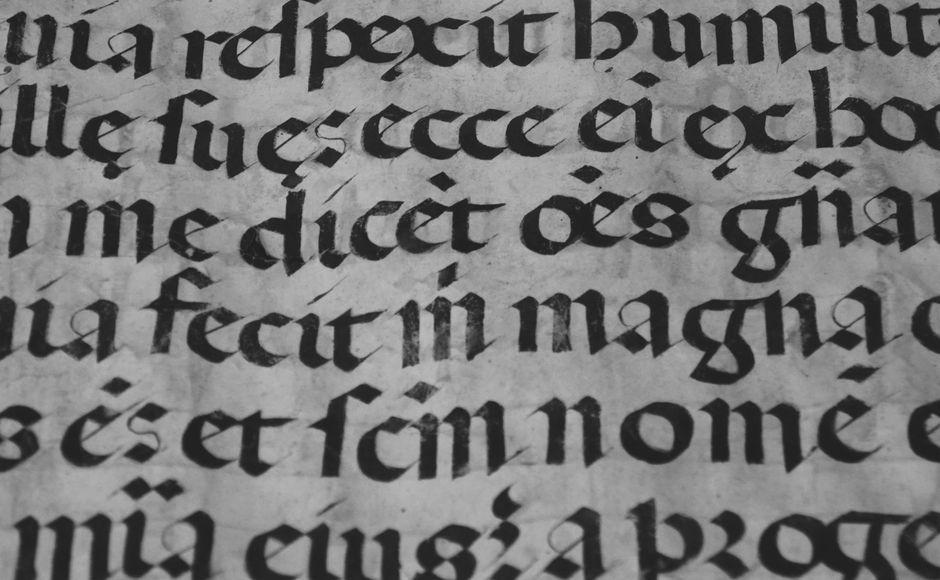
Stock photo for illustration only, not from the actual event
- Medieval documents act as biological time capsules
- Genetic traces of sheeppox virus found in archives
- New insights into historical disease outbreaks
Recent scientific findings indicate that historical documents and manuscripts from the medieval period stored in archives and libraries around the world may preserve more than just literature and history within their pages.
These preserved remnants contain genetic material and DNA from historical pathogens, acting effectively as biological time capsules that allow scientists to study ancient disease outbreaks directly through the natural materials used to produce historical books.

Stock photo for illustration only, not from the actual event
Utilizing medieval documents for genetic research represents a major scientific breakthrough because ancient parchment was typically made from animal skin, which could absorb and preserve biological molecules and pathogens for centuries without degrading completely.
This discovery not only enhances our understanding of sheeppox virus evolution but also opens new avenues for researchers to explore archives globally for the DNA of other severe pathogens left behind during historical epidemics.
Source: Ars Technica
Found something wrong in this article? Report an issue with this article
Comments
Leave a Comment