

Le Studio d’Orphée: Inside Jean-Luc Godard Home Studio
Explore the recreation of French New Wave director Jean-Luc Godard home studio at Fondazione Prada in Milan, Italy.

Stock photo for illustration only, not from the actual event
- Recreated home studio of French New Wave icon Jean-Luc Godard on display at Fondazione Prada in Milan
- Located on the upper floor of the Sud Gallery, offering an intimate glimpse into his creative space
- Exhibition named Le Studio d’Orphée, drawing inspiration from the Greek myth of Orpheus and Eurydice
Visitors exploring the masterpieces at Fondazione Prada in Milan, Italy, can ascend the narrow stairs to the upper floor of the Sud Gallery to enter an intimate space that served as the creative womb for the later works of French New Wave icon Jean-Luc Godard, whose experimental approach to cinema first captured global attention with Breathless in 1960.
Upon entering the room, guests pass through a tastefully unkempt space featuring a fold-out chair, a lamp resting on a table, and a director’s block caught mid-swing. The walls are adorned with humbly tacked-up photographs and clippings that evoke the appearance of items carefully pulled from the plastic sleeves of a personal photo album.
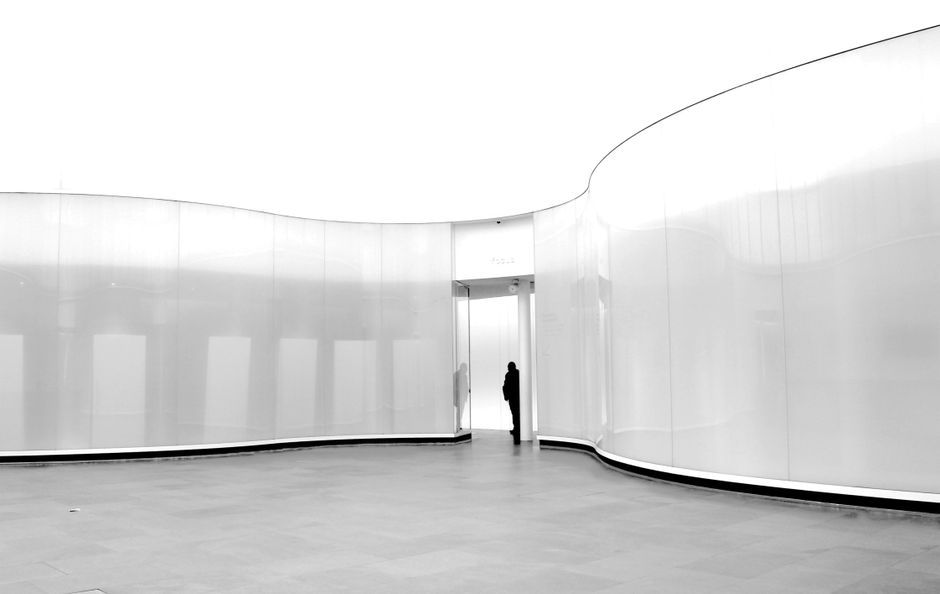
Stock photo for illustration only, not from the actual event
Inside the main studio area, benches line the back wall, inviting visitors to sit and observe a faithful version of the home workspace once occupied by the legendary director. Nearby, various media readers rest in a precariously stacked arrangement upon an ornately painted wooden table.
Recreating the private workspaces of influential filmmakers within contemporary art institutions offers audiences a tangible bridge into their creative psyche. For Jean-Luc Godard, the physical environment of his studio reflects a lifetime of challenging conventional cinematic grammar and experimenting with radical editing and storytelling techniques.
Straddling the boundary between a lived and an imagined world, the installation takes its name from the myth of Orpheus and Eurydice, referencing the musician's journey into the land of the dead. This exhibition is part of designboom’s MODES OF HABITATION chapter, which investigates how the spaces we inhabit continuously reshape our ways of living together.
Source: designboom
Found something wrong in this article? Report an issue with this article
Comments
Leave a Comment