

Don't throw them away: 7 smart uses for banana peels
Discover 7 practical uses for leftover banana peels, including polishing leather shoes, making compost, feeding livestock, wiping plant leaves, and bioproducts.
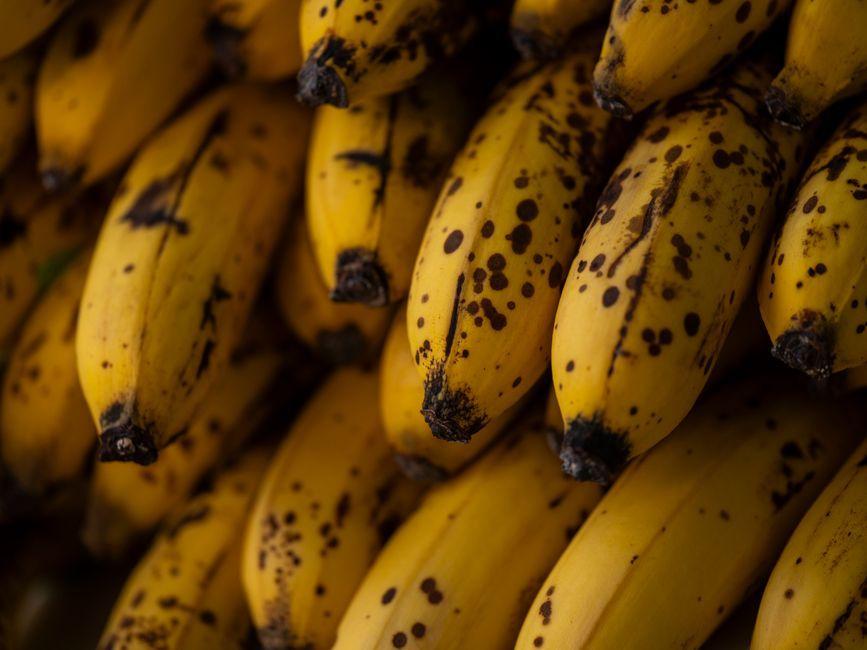
Stock photo for illustration only, not from the actual event
- The inside of fresh banana peels can clean and polish leather shoes
- Ideal for creating organic compost when mixed with other food scraps
- Can serve as supplementary feed for cattle, goats, and ruminants
- Useful for gently wiping dust off broad, sturdy plant leaves
Many people throw away banana peels immediately after eating, overlooking the potential hidden inside this organic waste. In reality, banana peels offer multiple practical uses that allow us to maximize resource efficiency before sending them to the bin. Let us explore the various ways we can repurpose banana peels in daily life.
The first application involves garment care. The inside of a fresh banana peel can be rubbed gently onto leather shoes, followed by wiping with a soft dry cloth and buffing to remove stains and restore shine. However, you should test this on a small area first and avoid using it on suede footwear.
For gardening enthusiasts, banana peels are organic waste that can be composted alongside vegetable scraps, fruit peelings, and other organic materials. When properly decomposed, they transform into organic matter that returns essential nutrients to the soil. Mixing them with other fertilizers is recommended because banana peels alone do not provide every nutrient plants require.
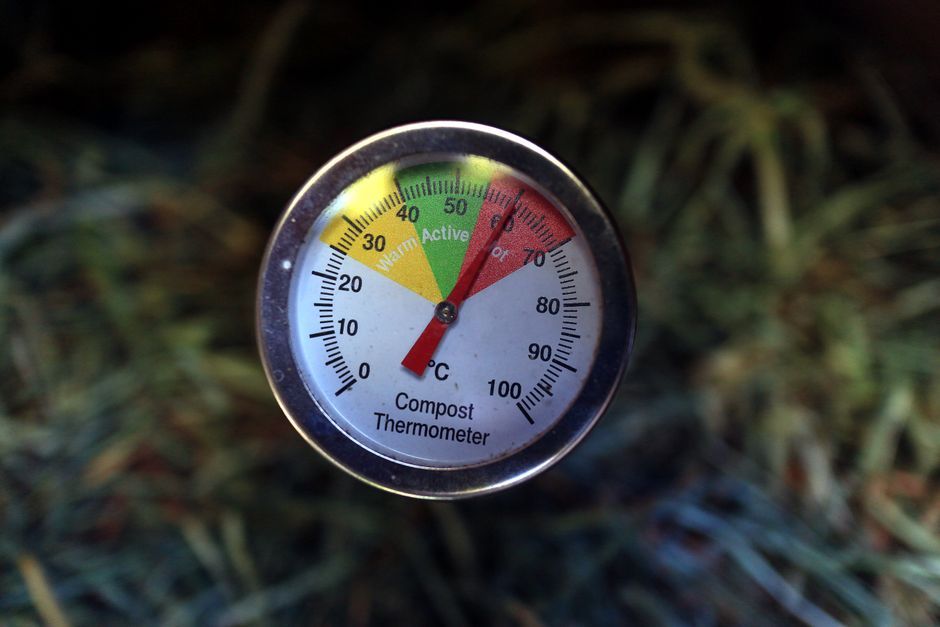
Stock photo for illustration only, not from the actual event
They can also support agricultural needs. Banana peels can serve as raw ingredients in certain animal feeds, such as for cattle, goats, or ruminants, after being dried, fermented, or processed before mixing with other feed types. They contain dietary fiber and some nutrients, but they should not serve as the sole primary diet since animals still need complete nutrition from other sources.
Repurposing food scraps like banana peels represents a core principle of the household Circular Economy, reducing wet waste disposal burdens and cutting greenhouse gas emissions from organic waste landfills.
For indoor plants, species with broad, smooth, and relatively sturdy leaves can be wiped gently with the inside of a banana peel to remove accumulated surface dust. Afterwards, use a clean cloth to wipe the leaves again to prevent any residue from remaining, and avoid using this method on young or delicate foliage.
Moving beyond household chores, banana peels can be developed into various products, including creams, shoe polishes containing banana peel extracts, and certain bio-based materials. This serves as another prime example of adding value to food waste instead of discarding it.
Regarding culinary uses, certain banana peels can be prepared for consumption after proper washing and preparation, such as boiling, stir-frying, deep-frying, or making dishes like young banana peel larb. Always select clean bananas, wash the outer peel thoroughly, cook them thoroughly, and avoid peels showing signs of decay or mold.
If you usually discard banana peels right away, finding a use for them first—whether composting, gardening, or processing—helps reduce the volume of organic waste requiring disposal. It is a simple way to get more value out of a single ingredient. That said, you do not need to use every single method, as some suit specific purposes. If you want the easiest and most clearly beneficial approach, turning banana peels into compost remains an ideal choice for household food waste management and returning organic matter to the soil.
Source: Thairath Lifestyle
Found something wrong in this article? Report an issue with this article
Comments
Leave a Comment