

Git Hook exploit roots homelab: A server security warning
Self-hosted Git users beware! Attackers abused CVE-2026-60004 on EOL Forgejo v13 to plant malware and spike CPU usage.

Stock photo for illustration only, not from the actual event
- Enabling public signups on self-hosted Git instances invites attackers inside.
- CVE-2026-60004 allows arbitrary file writes to the repository diffpatch endpoint.
- Attackers deployed a malicious post-index-change Git hook with six fallback download methods.
- Forgejo v13 reached end-of-life (EOL) in January 2026 without security patches.
The incident began when a homelab administrator woke up to Pushover alerts indicating their Intel Core i5-10600K processor was pinned at 50% CPU utilization continuously for 24 hours. The subsequent investigation uncovered a cautionary tale about the risks of deploying and forgetting about self-hosted Git services.
At the core of the issue was a running instance of Forgejo v13, which reached its end-of-life in January 2026, combined with open user registration enabled—mistake number one. An uninvited visitor registered an account, explored the environment, and exploited CVE-2026-60004, a critical vulnerability in the Gitea diffpatch endpoint enabling arbitrary file writes to repositories.
This security breach highlights the hidden administrative burden of running self-hosted infrastructure. Unlike managed platforms where dedicated engineering teams handle vulnerability patches, self-hosted environments place 100% of the security responsibility on the owner. Neglecting maintenance and updates creates an easy target for automated threat actors.
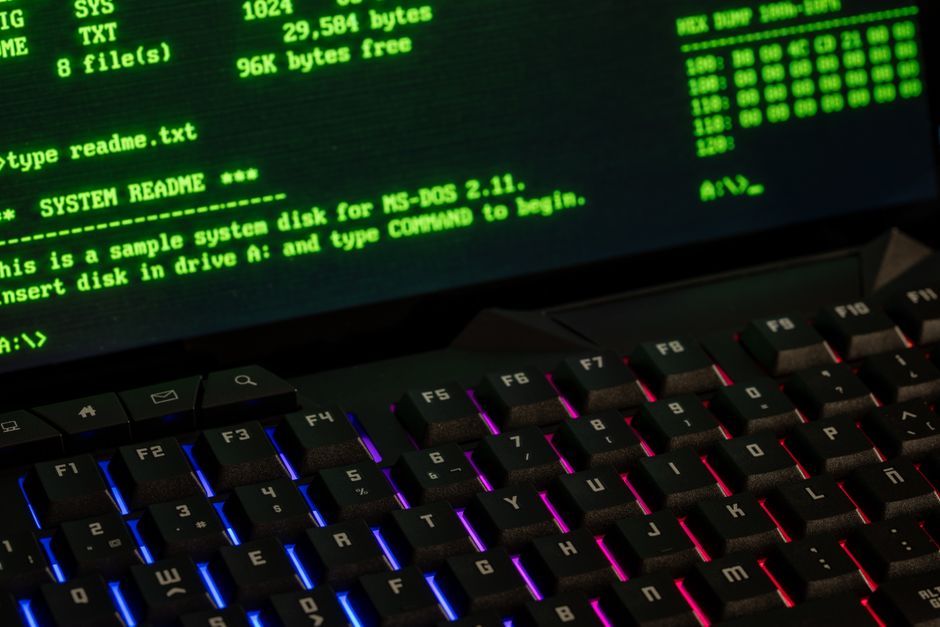
Stock photo for illustration only, not from the actual event
The attacker leveraged this vulnerability to drop a malicious post-index-change Git hook. Git hooks are automated scripts executed during specific workflow events like pre-commit or post-merge. While exceptionally useful for developers, they become critical vectors for compromise if unauthorized users gain write access.
The sophistication of the attack was evident from the inclusion of six fallback download methods, proving it was orchestrated by an experienced actor rather than a casual script kiddie. The author admitted to skipping release notes for the software stack.
- Forgejo v13 became EOL back in January 2026.
- CVE-2026-60004 has already been addressed in newer software releases.
- Leaving public registration enabled on personal servers introduces unnecessary exposure.
For anyone operating Forgejo, Gitea, or alternative self-hosted Git platforms, infrastructure management requires constant vigilance. If maintaining patches and monitoring logs becomes too demanding, migrating to managed hosting services is a safer alternative.
Source: Dev.to
Found something wrong in this article? Report an issue with this article
Comments
Leave a Comment