

Paul Clemence on Shanghai Skyscraper Crowns and Landmarks
Architectural photographer Paul Clemence explores how skyscraper crowns in Shanghai serve as vital navigational landmarks among over 200 towers.
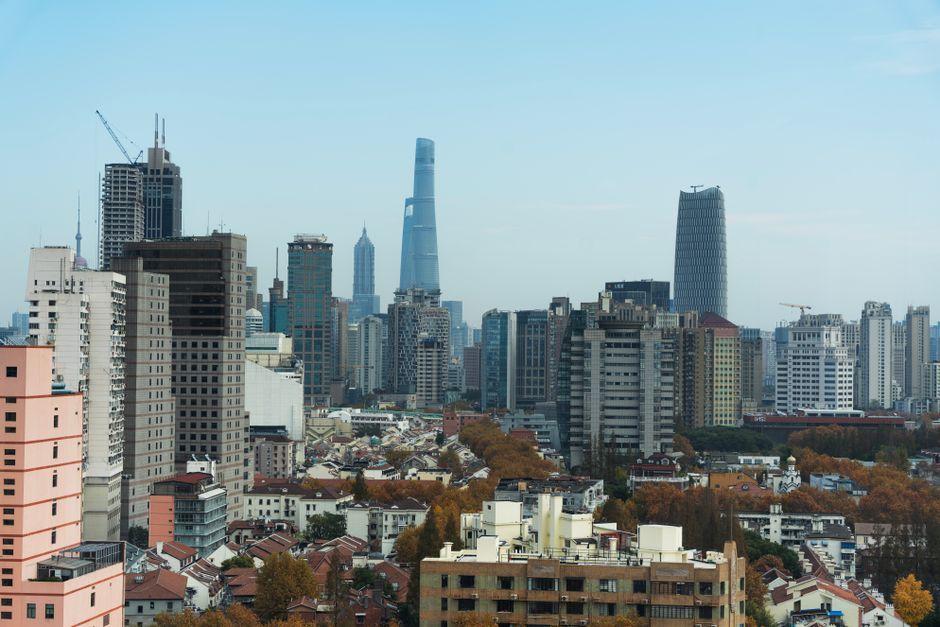
Stock photo for illustration only, not from the actual event
- Paul Clemence analyzes the significance of skyscraper crowns in Shanghai
- Shanghai features approximately 200 skyscrapers standing 492 feet and up
- Building crowns act as visual reference points and lighthouses
- Architectural designs blend traditional symbolism and contemporary styles
When arriving in a sprawling metropolis like Shanghai, navigating the dense urban fabric covering approximately 14k square kilometers requires reliable visual reference points. Beyond natural topography and streets, towering skyscrapers stand out prominently in the metropolitan landscape.
However, with around 200 skyscrapers standing at 492 feet and up, height alone is insufficient to distinguish one tower from another. Architects have therefore focused heavily on designing distinctive building crowns that act like a North Star guiding people through the complex cityscape.
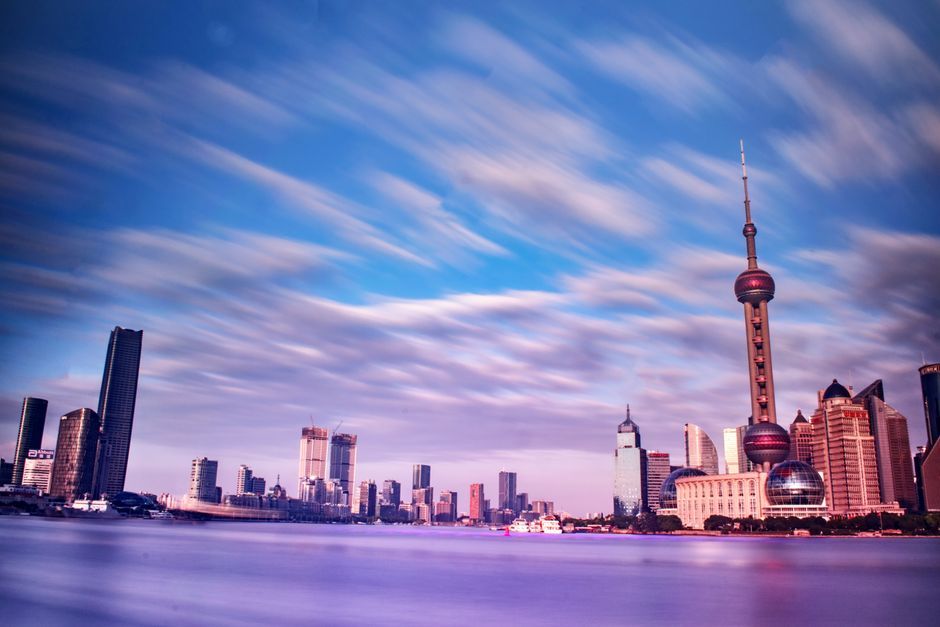
Stock photo for illustration only, not from the actual event
Staying on the 81st floor of the Park Hyatt Shanghai inside the Shanghai World Financial Center, built in 2008 and designed by Kohn Pedersen Fox, architectural photographer Paul Clemence observed the skyline from sunrise to dusk. He noted that the eclectic mix of crowns reflects various influences and eras shaping the city.
"Some cool, some cutting edge, sophisticated, some novelty, bordering on kitsch"
Paul Clemence
Prominent examples include designs by John Portman & Associates. The Tomorrow Square tower from 2003, hosting the world's highest library on its 60th floor, features an aluminum pyramidal apex. Meanwhile, the 2002 Bund Center incorporates a 58-meter-wide, 582-ton lotus flower crown inspired by traditional Chinese symbolism.
Analyzing Shanghai's architectural crowns highlights a sophisticated urban branding strategy where height is transcended by cultural storytelling, transforming engineering feats into functional wayfinding landmarks within a fast-evolving metropolis.
Source: designboom
Found something wrong in this article? Report an issue with this article
Comments
Leave a Comment