

Chaichanok Chิดชอบ: Life Journey and Work Insight
An exclusive interview with party secretary Chaichanok Chidchob addressing nepotism claims, educational background, and lessons from Newin and Anutin.
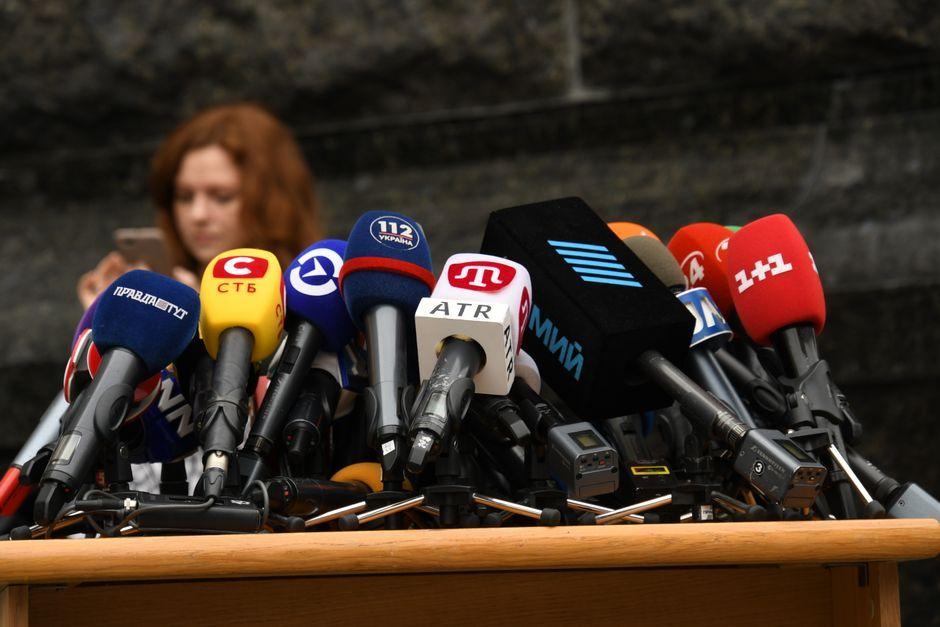
Stock photo for illustration only, not from the actual event
- Working relationships within party leadership are built strictly on performance and results
- Acknowledge heavy social expectations and pressures from being Newin Chidchob's son
- Follow the core lesson to work with everyone and prioritize actual outcomes over personal feelings
When discussing the Buriram political circle, getting close to key figures is never about personal favoritism. Individuals wishing to work closely with senior figures like Newin Chidchob, party leader Anutin Charnvirakul, or other executives must first prove themselves through their professional output. Relationships deepen only after demonstrating competence and delivering efficient results. Therefore, getting close is the result of proven capability across various dimensions rather than mere connection. Furthermore, cabinet members are exceptionally talented, possessing diverse skills in understanding the public and navigating bureaucratic systems.
Being the son of Newin and Karuna Chidchob has made life significantly easier in many aspects while introducing unique difficulties. On the positive side, I am deeply grateful for the opportunities, diverse life experiences, and freedom from financial burdens or survival anxieties since childhood. Exposure to different societies and international lifestyles broadened my perspective. However, the downside is relentless societal expectation and preconceived judgments based on my parents' achievements, even when my personal passions differ. For instance, declaring a lack of interest in politics is often met with skepticism, forcing me to confront public prejudice before anyone truly knows my real character.
It is understandable why people hold such views, especially given my roles as party secretary, nephew of the party leader, and son of Newin Chidchob. These facts cannot be denied. However, becoming a cabinet minister was never my sole life goal, and neither the Prime Minister nor any executive would ever select individuals based purely on personal ties rather than performance serving the public. While acknowledging that prior close working relationships naturally helped leadership recognize my capability, claiming it was purely nepotism without any hard work is simply untrue.

Stock photo for illustration only, not from the actual event
Regarding my educational background, I have never hidden the fact that I studied abroad from a young age, experienced grade repetition, and pursued internships. When my visa expired, I returned and studied while working at Chalermkanchana University, nearly failing due to the requirement of writing in Thai. I do not conceal this. Throughout my journey, I have delivered tangible accomplishments, including transforming the football industry, developing Buriram province, building sports teams, and leading Thai youths to world championships. These invaluable life experiences define who I am. While I understand the criticism, it does not discourage me. Performance and dedication remain the ultimate measures, rendering educational backgrounds and connections irrelevant as long as tangible changes are delivered.
Chaichanok Chidchob's frank remarks highlight the challenges faced by second-generation politicians in Thailand, who must constantly navigate public scrutiny and expectations. Overcoming nepotism skepticism through concrete achievements remains a pivotal narrative in contemporary Thai politics.
My parents know my true character very well. Having spent my youth studying abroad, serving in the military, and experiencing monkhood, seeing me absorb intense social backlash naturally affects them deeply as loving parents. Their primary lesson has always been to practice patience. Rather than lecturing through long speeches, they teach by example. A recurring advice from my father, both before and during my political career, is the necessity of working effectively with everyone—good or bad, capable or incapable—because everyone possesses unique strengths. We cannot simply place our personal desires first. During my ministerial duties, I learned to apply this exact principle by focusing entirely on work and results.
"We must be able to work with everyone, whether they are good or bad, capable or incapable, because everyone has their own important strengths."
Newin Chidchob
In private spaces, I call him Uncle Nu, but in professional settings involving government officials, I address him as Prime Minister or Party Leader, occasionally drawing gentle complaints about abandoning familial titles out of formal respect.
Observing the Prime Minister and other leaders, they rarely lecture us on how to behave; instead, they lead by personal example. Each leader possesses distinct expertise. Prime Minister Anutin, for instance, is one of the hardest-working individuals I have ever encountered, managing tasks from early morning until late night tirelessly and handling every situation with impressive relationship management skills. He serves as my primary political idol. Additionally, Deputy Prime Minister Pakorn Nilprapand has become another major inspiration as a key driving force behind major government reforms.
I have let go of most personal attachments, except for the lingering desire to properly repay my father's immense grace. Though personal comforts, mobile phones, and private distractions have been set aside, fulfilling his expectations remains a duty I strive to accomplish better.
Source: Thairath Lifestyle
Found something wrong in this article? Report an issue with this article
Comments
Leave a Comment