

4 Risk Behaviors for Leptospirosis in Kids and Pets
Check 4 outdoor risk behaviors that can expose children and pets to leptospirosis, along with key symptoms to watch for after a trip.

Stock photo for illustration only, not from the actual event
- Leptospirosis bacteria enter via wounds, soft skin, or contaminated water
- 4 risk behaviors include muddy tracks, natural water, sniffing ground, and open wounds
- Symptoms usually appear in 1-2 weeks with high fever and muscle pain
- Prevent by wearing rubber boots, carrying clean water, and washing up after trips
Taking young children and pets out to explore nature is a popular family activity, but their natural instincts and behaviors can lead them into contact with harmful pathogens unknowingly. The bacteria that cause leptospirosis can enter the body through cuts, skin softened by prolonged water exposure, or direct ingestion. There are four main risk behaviors to watch out for especially during outdoor adventures.
The first behavior involves the feet of children or paws of pets stepping in mud or stagnant water for extended periods, softening the skin and making it easier for bacteria to penetrate. The second risk is drinking or swallowing water from streams, waterfalls, or puddles that may be contaminated with urine from wild animals or carriers.
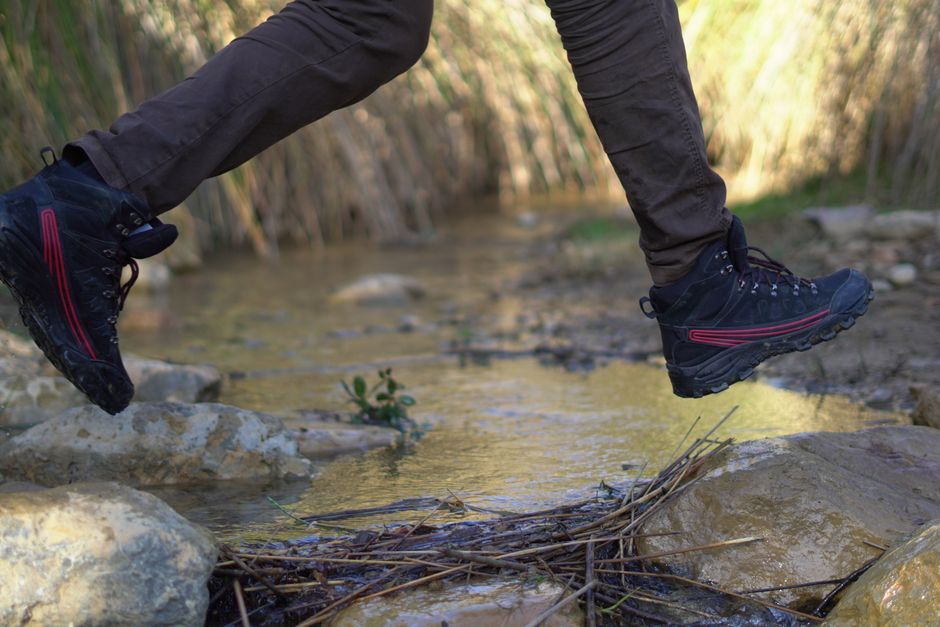
Stock photo for illustration only, not from the actual event
The third behavior relates to environmental exploration. Pets tend to sniff and press their faces against soil, dry leaves, or carcasses, while young children might touch the ground and then touch their faces or mouths. The fourth behavior occurs when cuts, insect bites, or fresh wounds come into contact with stagnant outdoor water, allowing bacteria to enter the bloodstream immediately.
After exposure, the incubation period for leptospirosis typically ranges from one to two weeks. Closely monitoring for abnormalities after a trip helps ensure prompt medical attention. Initial signs often include a rapid high fever accompanied by chills, headaches, and severe muscle aches, particularly in the calves and back. Severe cases may present with red eyes, jaundice, or unusual lethargy. For dogs, early symptoms include lethargy, loss of appetite, high fever, vomiting, abdominal cramps, yellowish paws or gums, and dark or bloody urine.
Leptospirosis is a zoonotic bacterial disease commonly found during rainy seasons or in waterlogged areas. The Leptospira bacteria are shed in the urine of mammals such as rodents, dogs, and livestock. Recognizing these exposure routes and taking proactive hygiene measures are vital defenses for vulnerable family members during nature trips.
Prevention and health protection during travel are simple with proper preparation. Have children wear waterproof rubber boots and avoid walking barefoot, while pets should wear protective booties or harnesses to avoid stagnant water pools. Carry enough clean drinking water and a personal bowl to prevent drinking natural water sources, and thoroughly wash hands, feet, or paws with soap and water immediately after leaving the forest.
If children sustain wounds or wade into questionable stagnant water, administer first aid promptly by flushing the wound repeatedly with clean water, washing around it with soap, drying, applying antiseptic, and covering with a waterproof bandage. If suspicious symptoms arise after the trip, visit a pediatrician or veterinarian immediately and provide a detailed travel history for accurate diagnosis and antibiotic treatment.
Source: Thairath Lifestyle
Found something wrong in this article? Report an issue with this article
Comments
Leave a Comment