

DIY Plug-in Solar Gains Momentum in the US
DIY plug-in solar kits are gaining traction in the US, transforming solar energy into an appliance starting at $300 without contractors.
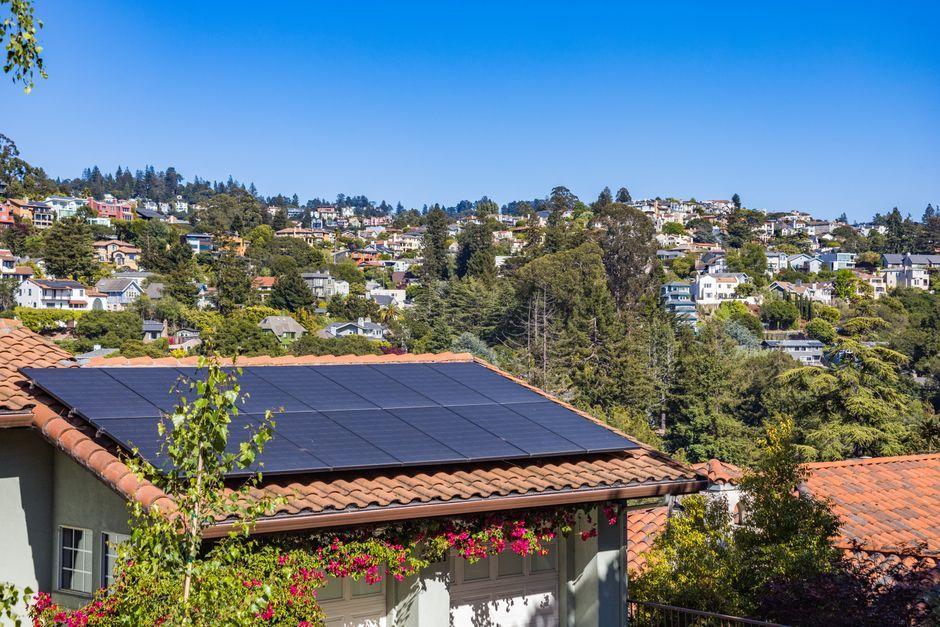
Stock photo for illustration only, not from the actual event
- DIY plug-in solar kits are expanding into the United States market.
- Kits start at around $300 with no professional installation required.
- Europe has successfully adopted balcony solar for years to cut costs.
- Over a dozen US states are introducing or passing legalization laws.
Alternative energy adoption is shifting as do-it-yourself plug-in solar kits, often known as balcony solar, begin making headway in the United States after proving safe and effective across Europe. Users can take a cable carrying 800W of solar power and plug it directly into a standard household wall outlet without sparks or damage, dropping their electricity bill nearly to zero on sunny days.
Stock photo for illustration only, not from the actual event
These systems bypass the high barriers of traditional rooftop installations costing around $15,000, which demand contractors, engineering permits, and utility preapproval. Instead, consumers can purchase plug-in kits starting around $300 at general stores, hanging them from a balcony or propping them against a wall entirely without the help of an electrician.
Standard kits include solar panels and a microinverter that ties into the electrical grid, prioritizing power for home devices. Users can optionally add a battery to store surplus energy for nighttime use or as an emergency power station during blackouts. These small batteries start at roughly $500 for 1kWh or $1,500 for 3kWh.
From an infrastructural perspective, the rise of plug-in solar highlights a broader trend toward decentralized energy production at the household level. Although American consumers face challenges from import tariffs and the reduction of solar tax credits, the underlying push for energy independence continues to drive legislative updates across multiple states.
The surge in popularity has been driven by prolonged high oil and gas prices following Russia's invasion of Ukraine, alongside record-low global prices for solar panels and batteries, even though US buyers face added costs from recent tariffs and the elimination of solar tax credits.
Historically, US utility regulations treated budget garden panels like massive 10kW rooftop arrays. Today, over a dozen states have passed laws or introduced bills allowing qualifying plug-in systems to be deployed without utility preapproval, provided they meet safety standards, prevent circuit overloads, and shut down during grid outages.
Source: The Verge
Found something wrong in this article? Report an issue with this article
Comments
Leave a Comment