

Farmed salmon losing key nutrients, new research shows
New research reveals that dietary shifts in farmed salmon are lowering nutritional value while impacting the environment and climate.
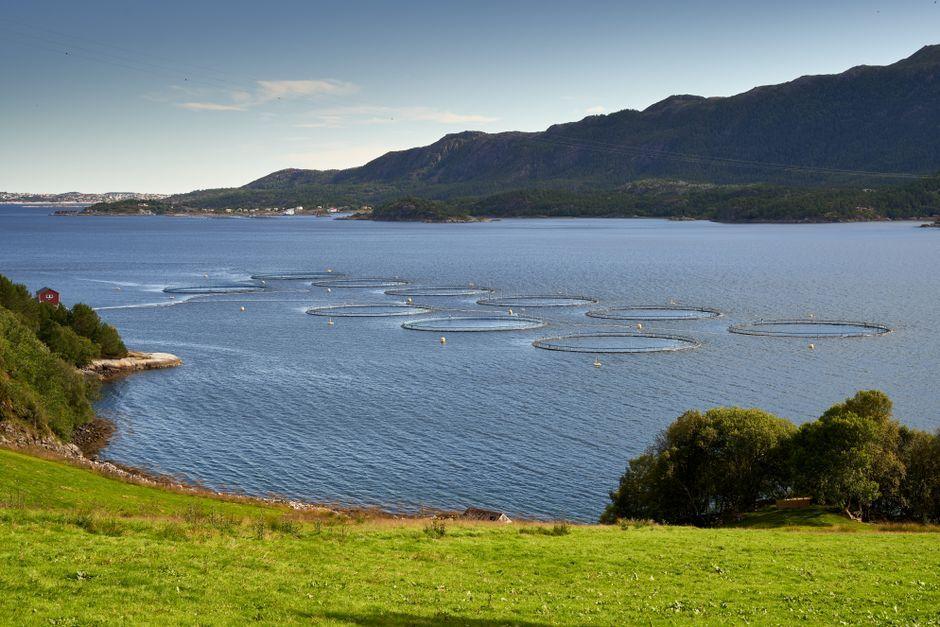
Stock photo for illustration only, not from the actual event
- New research suggests farmed salmon may have lower nutritional value than before
- The drop is driven by shifts in the commercial feed used in aquaculture
- Dietary changes in farmed fish also create significant downstream environmental impacts
Eating farmed salmon may no longer deliver the same level of nutrition it once did, according to recent scientific findings examining how modern aquaculture practices are evolving.
The transformation in what these fish consume reaches far beyond the boundaries of fish farms, triggering notable downstream consequences for both local ecosystems and broader global climate patterns tied to aquafeed production.
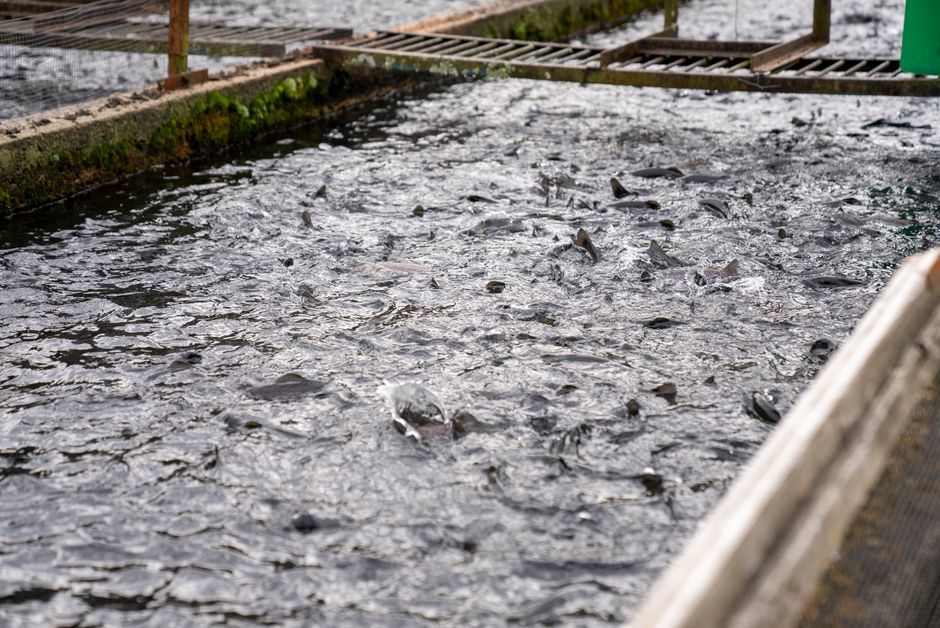
Stock photo for illustration only, not from the actual event
The decline in specific nutrients within farmed fish highlights a persistent dilemma in modern aquaculture. As traditional marine ingredients like fishmeal become cost-prohibitive and ecologically strained, producers increasingly rely on alternative plant-based or novel feeds. While these substitutes ease pressure on wild fisheries, they can fundamentally alter the fatty acid profiles and vitamin concentrations in the final product.
Researchers underscore that addressing these interconnected issues will require a careful reassessment of feed composition to safeguard both environmental sustainability and consumer nutrition standards.
Source: Ars Technica
Found something wrong in this article? Report an issue with this article
Comments
Leave a Comment