

Authors Push Back as Publishers Claim Anthropic Settlement
Writers expecting their $3,000 copyright payouts from Anthropic's settlement are pushing back after publishers and agents claim incorrect shares.
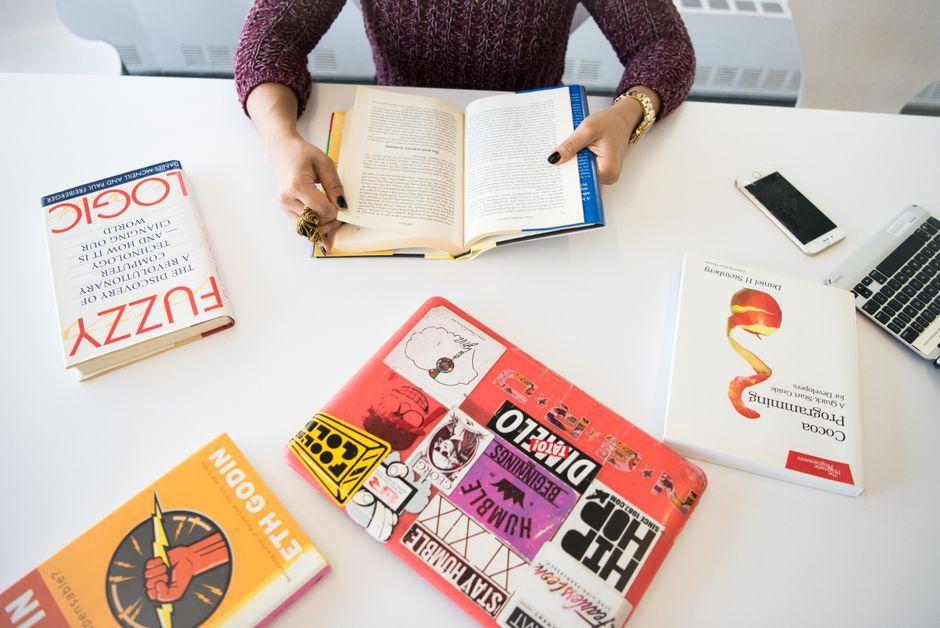
Stock photo for illustration only, not from the actual event
- Nearly 500,000 authors are slated to receive $3,000 per pirated work from Anthropic's copyright settlement.
- Publishers are facing backlash for incorrectly claiming 100% payouts or rights to reverted books.
- Literary agents have also attempted to claim cuts of the settlement despite not holding rights.
- Authors must prove rights reversion occurred before August 10, 2022, to claim full payouts.
Authors are speaking out this week after receiving surprising notification emails regarding payouts from Anthropic's massive $1.5 billion copyright settlement, which received final approval in July. The payout distribution follows a ruling determining that training AI models on copyrighted material falls under fair use, whereas pirating those works does not.
Under the settlement guidelines, creators of nearly 500,000 titles are entitled to $3,000 for each pirated work. For books still in print with a traditional publisher, the payout is split evenly 50-50 between the author and publisher. For self-published works or books where rights reverted and went out of print, authors should receive the entire compensation.
However, writers have flooded social media to report that publishers are attempting to claim larger portions of the funds than warranted. Mystery author April Henry publicly questioned HarperCollins' actions after discovering the publisher claimed one of her books—whose rights reverted over 17 years ago—and even received a credit alert listing the publisher as her employer.
"Apparently some agents are trying to claim percentages on the Anthropic settlement, and I do not REMOTELY think they should do this, what the fuck, stop that shit!"
Victoria Strauss of the blog Writers Beware noted that the grievances fall into two primary buckets: publishers seeking funds for titles where rights have already reverted, and publishers demanding 100% payouts when only 50% is due. Additionally, complaints revealed that literary agencies are attempting to claim cuts, despite agents lacking any copyright ownership over the books they sell.
This widespread dispute highlights structural vulnerabilities in legacy publishing contracts when confronted with massive digital payouts. While industry groups attribute the errors to poor record-keeping and a convoluted distribution framework rather than malicious intent, the sheer volume of identical mistakes underscores a systemic flaw in managing modern AI-era settlements for authors.
Authors Guild CEO Mary Rasenberger told The New York Times that she views the errors as a predictable symptom of messy record-keeping rather than an intentional grab by publishers. Nonetheless, authors and legal advocates like Courtney Milan continue to share critical guidance on how writers can dispute incorrect allocations and protect their rightful shares before deadlines close.
Source: TechCrunch
Found something wrong in this article? Report an issue with this article
Comments
Leave a Comment