

Soaring RAM costs are driving up tech prices globally
Spiking memory costs are driving up prices across the tech industry, and industry experts warn it may take years for the crunch to settle down.
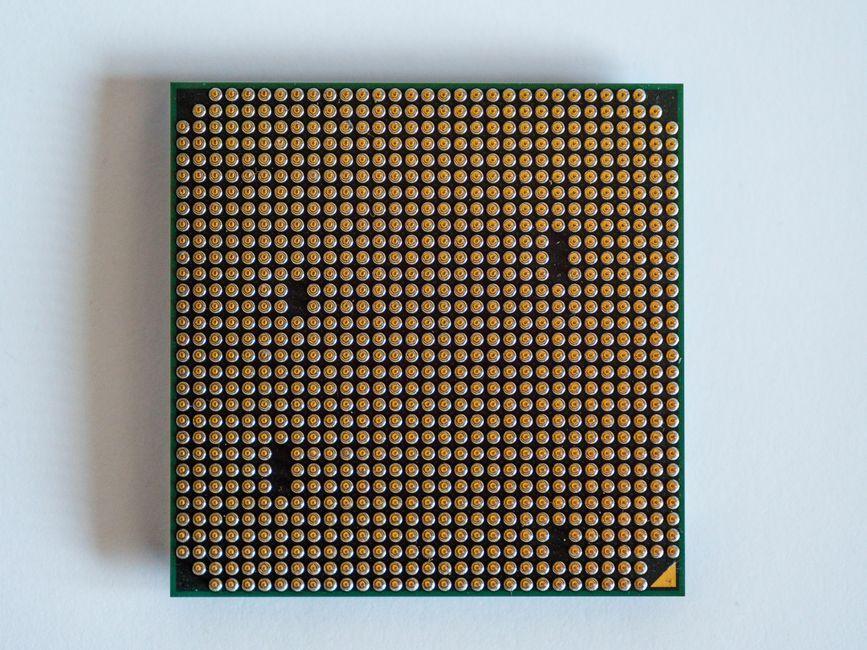
Stock photo for illustration only, not from the actual event
- Surging RAM costs are actively driving up prices across the tech industry
- The memory shortage crisis may take years to fully resolve
- AI demand amplified the shortage, but underlying structural issues existed beforehand
When major technology companies debut their next generation of devices, consumers are likely to encounter an unwelcome change: a higher price tag. A price hike from the industry's supply-chain powerhouses serves as the clearest sign yet that soaring memory costs have become unavoidable, with no end to the memory crunch in sight.
Industry observers have dubbed this phenomenon "chipflation" or "RAMageddon." The shortage has reversed a decades-long decline in memory costs that previously helped make consumer electronics more powerful without dramatically increasing prices. According to data provided by AlphaSense, the terms "memory prices" and "memory shortage" appeared in 473 company transcripts last quarter. While the entire industry is working to address the issue, analysts note we remain years away from seeing it fixed.
The current semiconductor market crunch highlights the rigid capacity constraints of silicon manufacturing. As node scaling limits slow down traditional density gains, high-bandwidth memory production for artificial intelligence data centers competes directly with consumer DRAM supply, restricting output and driving up consumer-level costs.
Conventional wisdom often blames artificial intelligence for the issue, noting that the technology contributes to higher energy prices, corporate adjustments, and increased costs for everything from smartphones to game consoles.

Stock photo for illustration only, not from the actual event
However, the shortage was brewing well before ChatGPT gained mainstream traction, only to be heavily amplified by AI's unending hunger for RAM. The current market conditions are the product of a complicated and profitable reshuffling within a memory manufacturing system that was already struggling to keep pace with long-term demand.
"We need to build more wafer capacity."
Manish Bhatia, President and COO of Micron
Manish Bhatia, president and COO of Micron, one of the three largest memory manufacturers, told The Verge that building wafer capacity represents a very different challenge for the industry compared to prior years when technology alone kept up with demand.
The memory business is also extraordinarily concentrated. Counterpoint data indicates that three manufacturers account for roughly 90 percent of the market, leaving the global ecosystem dependent on a handful of companies to divide limited capacity between AI infrastructure and consumer hardware. Counterpoint estimates that Samsung controlled 39 percent of the memory market in the second quarter of 2026, followed by SK Hynix at 26 percent and Micron at 25 percent.
Memory inside personal electronics broadly falls into two categories. Dynamic random-access memory, or DRAM, temporarily holds necessary data while running applications, loading web pages, or executing software. Meanwhile, NAND flash memory handles long-term storage requirements for files, photos, and system data.
Source: The Verge
Found something wrong in this article? Report an issue with this article
Comments
Leave a Comment