

MG Ship introduces AI route optimisation for logistics
MG Ship introduces an AI route optimisation and carrier selection module for global retailers, with CEO Suki Cheung presenting metrics at WMX Asia.

Stock photo for illustration only, not from the actual event
- MG Ship launches AI route optimisation and carrier selection module
- CEO Suki Cheung to present deployment metrics at WMX Asia conference
- Achieves 10–25% operational expense reductions and 25–35% warehouse productivity gains
- Processes live cargo telemetry, port congestion indicators, and weather patterns
MG Ship has introduced an AI route optimisation and carrier selection module as logistics deployments demonstrate rapid cost and time returns. The technical module targets global retailers and commercial shippers, pairing automated routing algorithms with carrier recommendation systems across international trade corridors. The deployment arrives as enterprise supply chain operators report measurable operational returns from machine learning tools, moving capital allocations away from speculative trials toward production deployments.
Suki Cheung, CEO of MG Ship, will present deployment metrics during a panel discussion at the upcoming WMX Asia conference. Cheung will join executives from Pos Malaysia, Omniva, and OnyX Space for the session, titled AI Beyond the Hype: Measurable Results in Logistics Today.
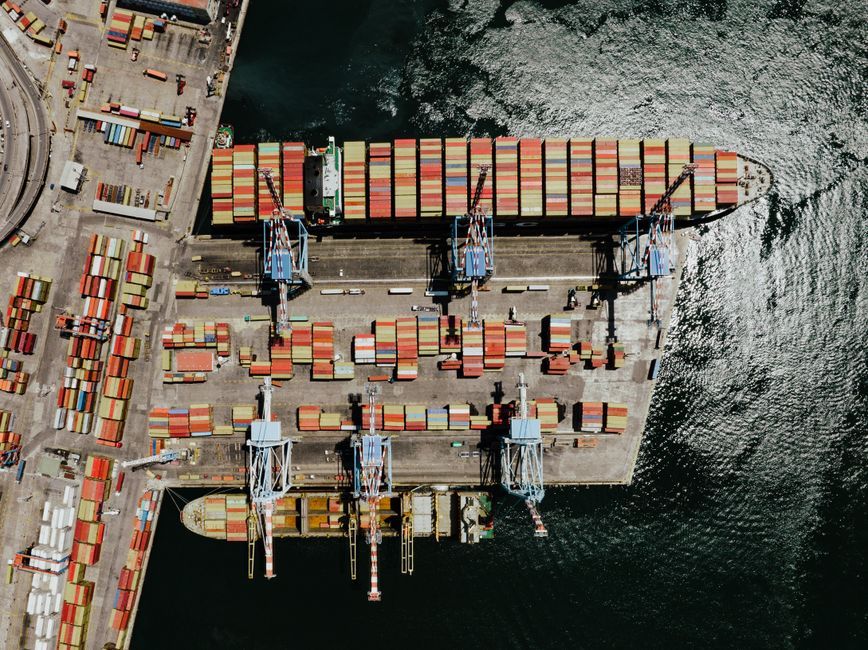
Stock photo for illustration only, not from the actual event
"Too many AI conversations in logistics remain focused on future possibilities. The reality is that AI is already delivering measurable business outcomes today. Leading organisations are reducing transportation costs, improving forecast accuracy, increasing warehouse productivity, and achieving payback within months rather than years."
Suki Cheung, CEO of MG Ship
Industry operational data indicates that initial investment returns are concentrating across three primary workflows. Over five-year deployment cycles, enterprise adopters have recorded average operational expense reductions between 10–25 percent, accompanied by warehouse productivity gains of 25–35 percent.
MG Ship built the new routing capability directly into its visibility and supply chain intelligence platform, which serves retailers, manufacturers, and freight operators across multiple international markets. The base system synthesises live cargo telemetry with trade intelligence, risk monitoring, and predictive analytics to support operational planning and trade financing.
The integration of AI into modern logistics represents a clear shift from experimental trials to full-scale production deployments. By leveraging predictive analytics and real-time telemetry, enterprises can navigate complex global supply chain disruptions—ranging from port congestion to fluctuating fuel costs—and make data-driven decisions that directly impact their bottom line.
The route optimisation engine processes live and historical lane transit logs, weather patterns, air and ocean port congestion indicators, customs risk alerts, and transit reliability data. Shippers receive automated recommendations identifying low-cost, low-risk transit paths.
Carrier evaluation features rank transport providers per lane and service tier. Rather than selecting capacity purely on spot freight pricing, the system scores carriers against historical on-time metrics, transit consistency, exception occurrences, claims rates, available volume, and total cost-to-serve. Logistics teams can also execute scenario simulations prior to peak shipping quarters, modelling lead times, service levels, freight spend, and risk exposures under alternative carrier allocation rules.
Source: AI News
Found something wrong in this article? Report an issue with this article
Comments
Leave a Comment