

UK begins talks to rejoin EU security missions
The UK government has started formal negotiations to participate in EU civilian crisis management operations following EU ambassador approval in late July.
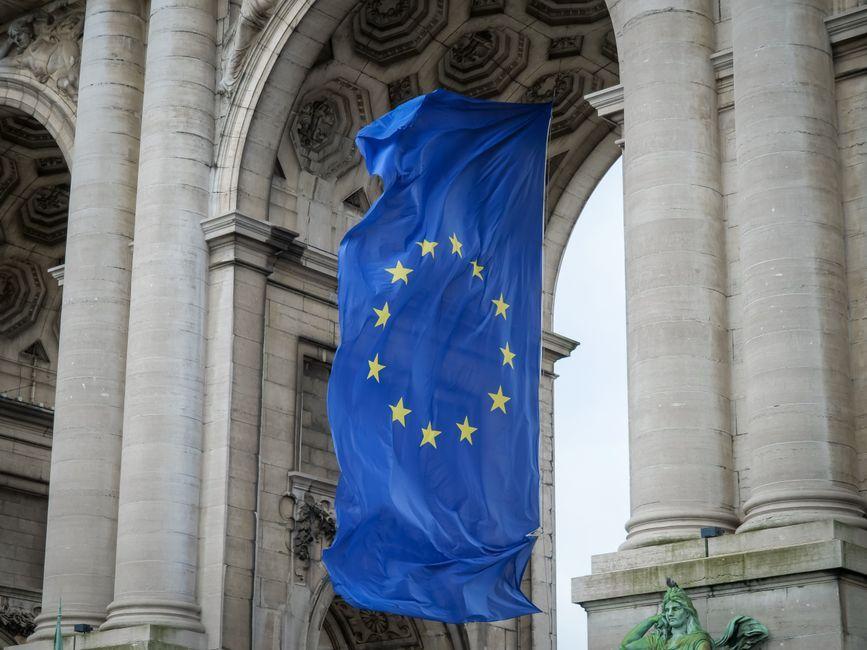
Stock photo for illustration only, not from the actual event
- The UK has opened formal talks to join EU civilian crisis management missions for the first time since Brexit.
- Discussions began after EU ambassadors signed off negotiating instructions for the EU diplomatic service in late July.
- The proposed framework deal explicitly excludes EU military crisis management missions.
- Prime Minister Keir Starmer's government requested the agreement following talks initiated last year.
The United Kingdom and the European Union have commenced formal negotiations that could allow British officials and experts to take part in civilian crisis management operations for the first time since the completion of Brexit. The European Union currently conducts 13 separate crisis management missions from a permanent headquarters based in Brussels as part of its common foreign and security policy.
These operations span diverse initiatives such as training Somali coastguards to tackle piracy, advising border police in Mali, and assisting Ukrainian prosecutors in investigating war crime allegations. Additionally, cybersecurity support aimed at helping nations protect themselves against hacking has served as a priority area with dedicated operations stationed in Moldova and Armenia.

Stock photo for illustration only, not from the actual event
Formal talks commenced in recent weeks after EU ambassadors endorsed their negotiating instructions for the EU diplomatic service in late July. Both sides are simultaneously engaged in discussions regarding food standards, electricity trading, and a youth mobility visa arrangement ahead of a delayed summit expected to take place later this year.
The proposed framework deal under discussion aims to establish broad terms for future British participation, though separate operational agreements would still be required for the UK to join specific individual missions later on. This initiative was formally requested by Keir Starmer's government following discussions that began last year regarding areas of common geographical interest.
The European Union has previously established framework agreements with approximately 20 non-EU countries, although some partners have yet to contribute personnel to actual civilian security missions. Securing an agreement with the United Kingdom would mark the very first such pact established with a former EU member state. Such agreements typically authorize the sharing of confidential mission information and outline cost-sharing mechanisms.
Although non-EU contributors receive a voice in the day-to-day management of operations, they remain excluded from initial political discussions where overarching strategies and operational goals are determined. As a former member, Britain previously helped shape EU foreign policy, though Eurosceptics historically viewed such cooperation with suspicion. According to the European University Institute, the UK historically contributed up to a few hundred personnel annually to civilian and defense missions, fewer than major member states like France and Germany. The UK Cabinet Office stated it would not comment on ongoing diplomatic negotiations.
Source: BBC Politics
Found something wrong in this article? Report an issue with this article
Comments
Leave a Comment