

AI will cure cancer, but chip shortage slows growth, says Arm CEO
Arm CEO Rene Haas says AI will cure cancer and fuel humanoid robots in 5 years, but data centre chip shortages constrain growth.
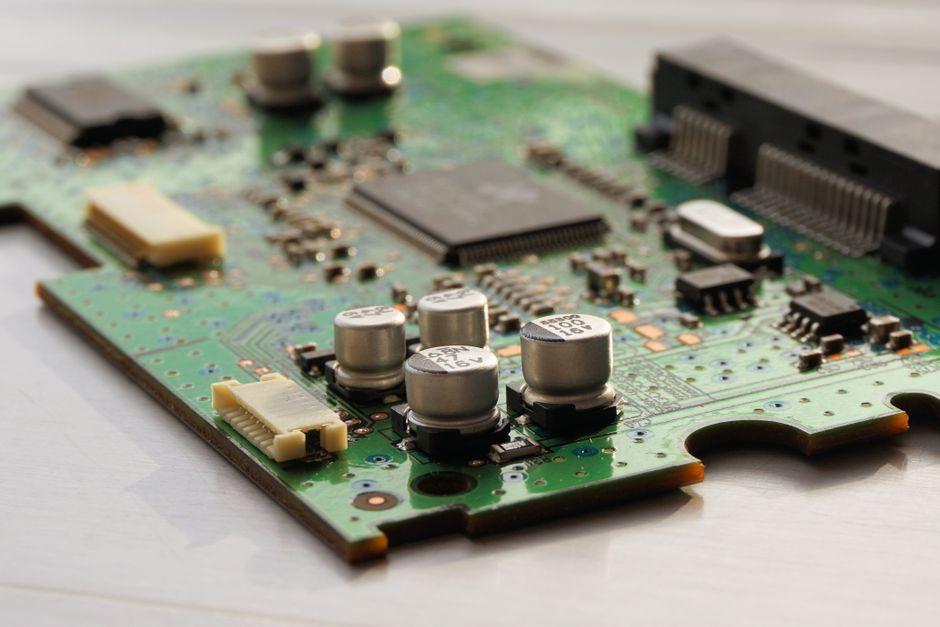
Stock photo for illustration only, not from the actual event
- Arm CEO Rene Haas believes AI will find a cure for cancer in our lifetimes.
- Humanoid robots will become widespread in five years, hindered by chip shortages.
- Arm power-efficient technology powers half of AI data centres worldwide.
- Arm AGI chip demand has surged past $2bn since its March launch.
Rene Haas, the chief executive of Arm, the UK's most valuable tech firm in history, revealed in the BBC's Big Boss Interview podcast that artificial intelligence will achieve medical breakthroughs beyond human capability. He stated that modeling complex cellular structures and DNA markers affected by cancer is too intricate for humans today, but AI will successfully find a cure within our lifetimes.
However, despite this rapid technological ascent, Haas cautioned that current expansion is being held back by a severe shortage of microchips required to construct massive data centres. He remains skeptical about the feasibility of manufacturing advanced chips domestically within the United Kingdom, noting the industry's heavy reliance on Taiwanese manufacturing giant TSMC.

Stock photo for illustration only, not from the actual event
Looking ahead over the next decade, Haas predicted that Arm's architecture will significantly power self-learning robots across manufacturing, facility maintenance, and security sectors. These autonomous machines will utilize artificial intelligence to process visual data, acquire new skills, and adapt to routine tasks in service industries. Addressing widespread anxieties regarding automation, he argued that predictions of total job displacement are overstated and will be balanced by emerging career opportunities.
"AI is going to... find a cure for cancer that today you and I, other humans [could] not in our lifetimes. I believe in our lifetime, AI will help cure cancer."
Rene Haas, CEO of Arm
Offering a medical perspective, Professor Chris Bakal from the Institute of Cancer Research in London noted that the decisive factor for medical AI lies in data quality rather than raw computational scale. Laboratories training models directly on patient-derived samples bypass the need for giant data centres, potentially shaving years off the timeline required to develop novel clinical treatments.
Arm's strategic evolution into direct chip sales—highlighted by high-volume orders from Facebook-owner Meta for the Arm AGI processor—illustrates the intense commercial pressure facing semiconductor supply chains. With multi-gigawatt data centre proposals planned globally, the industry's physical constraints underscore how foundry capacity limitations directly dictate the pace of next-generation infrastructure deployment.
Source: BBC Business
Found something wrong in this article? Report an issue with this article
Comments
Leave a Comment