

Stoke Space raises another $1B to rival SpaceX rockets
Stoke Space has raised a total of $2.3 billion backed by Point72 Ventures and Spark Capital to build fully reusable rockets.
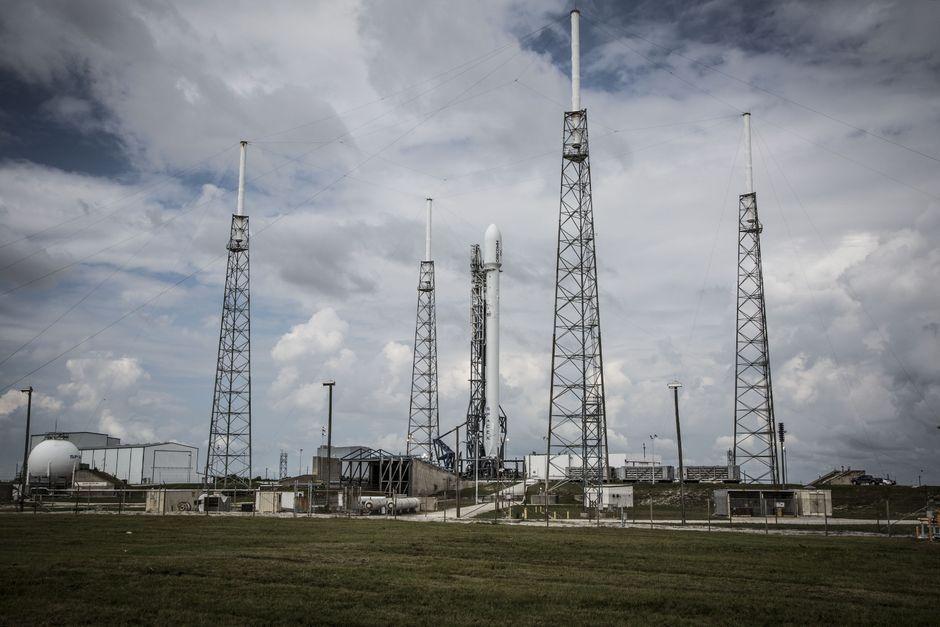
Stock photo for illustration only, not from the actual event
- Stoke Space secures an additional $1 billion in funding, bringing total capital raised to $2.3 billion.
- The startup aims to build a rocket where both the booster and payload stages return to Earth for reuse.
- Utilizes an active cooling system passing super-cooled liquid hydrogen through thermal shielding.
- Plans to launch the larger Nova Block 2 rocket in 2029, coinciding with the planned retirement of SpaceX's Falcon 9.
Aerospace startup Stoke Space has secured another $1 billion in a new funding round led by Point72 Ventures, the tech investment vehicle of hedge fund billionaire Steve Cohen, and Spark Capital. Additional participation came from General Innovation, Glade Brook Capital, US Innovation Technology, Washington Harbour Partners, Woven Capital, and Y Combinator, pushing the company's total funding to $2.3 billion.
Stoke is positioning itself as a challenger to Elon Musk's SpaceX in the low-cost rocket launch sector. While SpaceX relies on the Falcon 9 with its reusable booster stage and is currently developing the massive Starship, Stoke is aiming directly for full reusability, targeting a rocket where both the booster stage and the payload-carrying second stage return to Earth affordably—a feat that has never been accomplished before.
Achieving such technical ambitions requires immense capital. SpaceX has spent well over $10 billion on Starship over the past decade without yet reaching orbit. To protect its second stage from extreme atmospheric reentry heat, Stoke pumps super-cooled liquid hydrogen through its thermal shielding—a unique active cooling solution exhaustively tested on the ground.
"We can flow excess coolant — more than we think we need in order to overcool the surface of the vehicle — and take a conservative stance from that perspective in early flights,"
Lapsa, Stoke Space executive
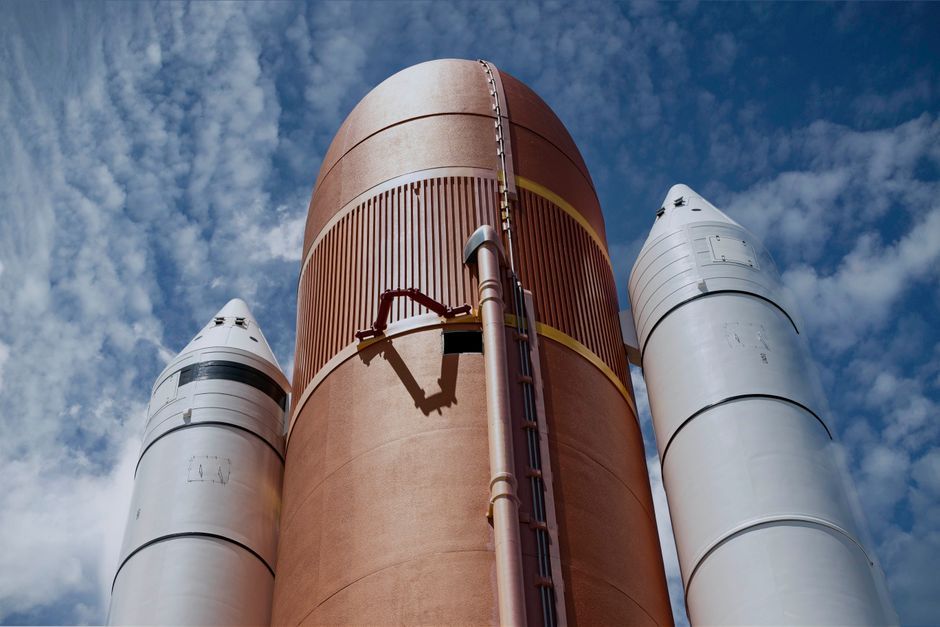
Stock photo for illustration only, not from the actual event
The startup has already secured launch contracts for its vehicle, which can carry three metric tons to low-Earth orbit, making it what Lapsa believes will be the largest debut vehicle from any U.S. rocket maker. With multiple Pathfinder vehicles already in production, Stoke is also eyeing an even larger rocket called the Nova Block 2. Utilizing core technologies from the Pathfinder, including its engines and heat shield, the Nova Block 2 will carry 15 metric tons to low-Earth orbit, slightly surpassing the Falcon 9.
Stoke's timeline to deploy the Nova Block 2 by 2029 aligns precisely with Musk's stated timeline for phasing out the Falcon 9. This positioning serves as a strategic signal to satellite operators and government agencies who might face capacity constraints or premium pricing as SpaceX prioritizes its own internal projects with Starship. Since Stoke does not operate competing space assets, it presents an appealing alternative for commercial launch customers.
Source: TechCrunch
Found something wrong in this article? Report an issue with this article
Comments
Leave a Comment