

Xiaomi 18 Fold and Arm Mali G2-Ultra boost mobile gaming
Xiaomi 18 Fold launches in China featuring the Xring O3 chip and Arm Mali G2-Ultra GPU, bringing AI neural graphics to mobile devices.
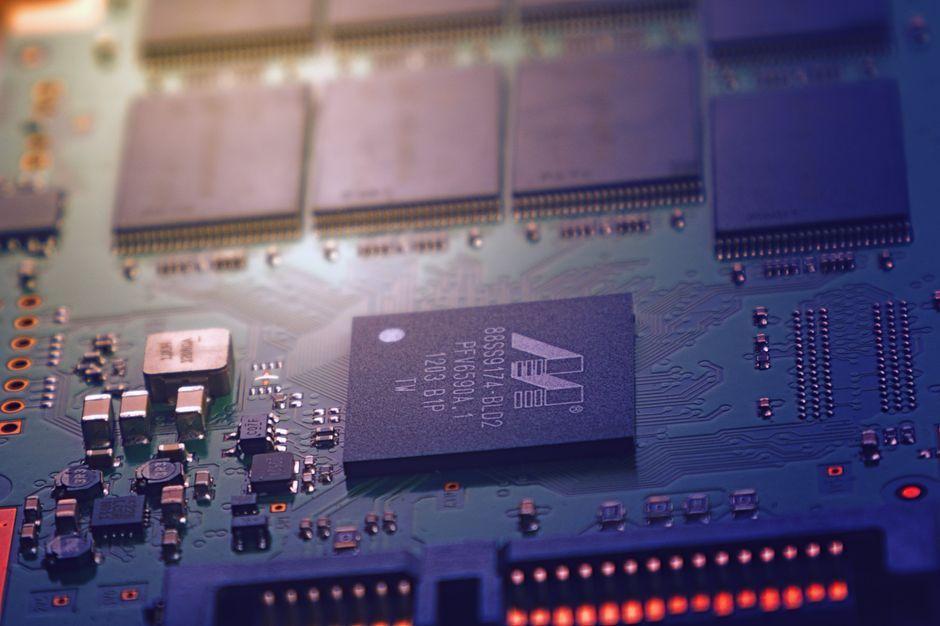
Stock photo for illustration only, not from the actual event
- Xiaomi 18 Fold launches in mainland China with Xring O3 chip
- Features Arm Mali G2-Ultra NX with built-in AI gaming graphics accelerator
- Supports neural graphics techniques similar to Nvidia's DLSS
- Enhances mobile gaming performance without increasing power consumption
Mainland China is getting the very first taste of a British technology that is set to transform how mobile video games are developed and experienced. Today, the Xiaomi 18 Fold makes its official debut equipped with an Arm Mali G2-Ultra NX graphics processor inside its custom Xring O3 chip. After five years of development, Arm has successfully integrated an AI-powered gaming graphics accelerator directly into its GPU for the very first time.
By following the playbook established by Nvidia, Arm-powered smartphones are poised to adopt PC-like technologies that allow games to run faster, at higher resolutions, and with advanced lighting techniques while consuming no more power than current devices. The noticeable jagged edges often found in mobile ports of popular video games may soon begin to disappear from handheld screens.
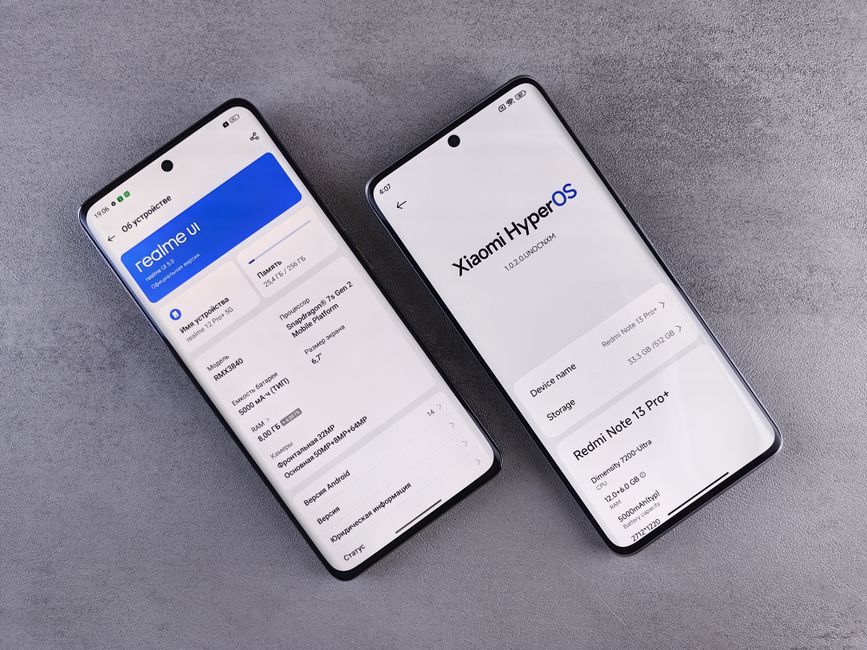
Stock photo for illustration only, not from the actual event
These hardware advancements will not remain exclusive to devices released in China. The underlying chips, consumer devices, and compatible games are already on their way to global markets. Chris Bergey, Arm’s Executive Vice President of Edge AI, revealed in an interview that consumers will be able to purchase and use these phones next year, alongside other larger-screen devices such as tablets and Chromebooks.
While Bergey could not explicitly confirm which upcoming devices will feature the Mali G2-Ultra NX, he dropped hints suggesting that some upcoming Googlebooks may incorporate this advanced graphics technology as well. Expressing high confidence in the rollout, Bergey noted that the impact of this new architecture is expected to be massive across the industry.
"You will be able to buy it; you will be able to get it in phones next year, you will be able to get it in other types of larger screen devices, whether that be tablets or Chromebooks."
When evaluating the new Arm Mali G2-Ultra NX, there are two primary angles to consider. From a raw performance standpoint, it is significantly more powerful than previous mobile GPUs, boasting an alleged 85 percent performance increase over the GPU Xiaomi utilized previously, as well as a 14 percent boost over Arm's previous flagship in non-AI gaming tasks. However, the more crucial aspect is its ability to run hardware-accelerated graphical techniques that bear a striking resemblance to Nvidia’s DLSS.
Arm's implementation of 'neural graphics' differs from Nvidia's usage by focusing primarily on speed and computational efficiency rather than immediate visual enhancements to facial rendering, utilizing AI to handle pixel and frame generation workloads.
Arm refers to these collective techniques as neural graphics, encompassing Neural Super Sampling, Neural Frame Rate Upscaling, and Neural Denoising. Arm claims these features can deliver up to four times the framerate when applied simultaneously, as each method reduces the workload of rendering actual pixels and frames by relying on AI to fill in the gaps. Bergey noted that these features will roll out gradually, with super sampling arriving first, frame generation coming in early 2027, and denoising following shortly after.
When combined, these technologies allow a mobile device to run a demanding experience like the Neural Dawn technology demo smoothly without draining the battery rapidly. Bergey stated that users could potentially enjoy three hours of continuous 1080p gaming at 60 frames per second, a substantial jump from the previous thirty-minute limit. Meanwhile, the Xiaomi Pad 9 Pro Max tablet, which pairs the Arm GPU with a larger battery, display, and cooling surface area, aims to showcase performance reaching 3.2K resolution at 120 frames per second while keeping total phone chip power consumption capped at 2.5 watts.
Source: The Verge
Found something wrong in this article? Report an issue with this article
Comments
Leave a Comment