

Google Launches WeatherNext 3 for Energy Markets
Google DeepMind launched WeatherNext 3 on Sept 3, providing hourly weather forecasts to target grid operators and energy traders.
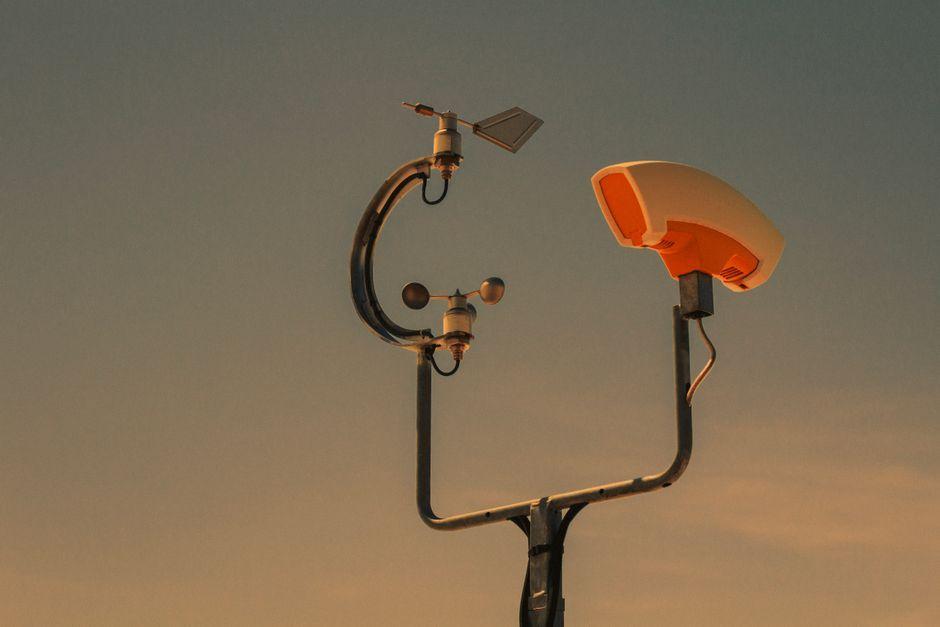
Stock photo for illustration only, not from the actual event
- Google DeepMind and Google Research released the WeatherNext 3 weather forecasting model on September 3.
- The new model predicts wind speed at 100 metres and solar radiation, updating every single hour.
- Forecast data can be queried directly via BigQuery, Earth Engine, and Google Cloud Storage without model setup.
- The release targets energy traders, grid operators, and renewable energy developers to optimize asset management.
Google has entered the commercial energy data market with the introduction of its latest weather forecasting model, WeatherNext 3, released by Google DeepMind and Google Research on September 3. The new model predicts wind speed at 100 metres above the ground, matching the hub height of modern wind turbines, alongside cloud cover and surface sunlight, with updates delivered every hour.
Previously, energy traders, grid operators, and wind and solar developers relied on paid third-party vendors for such data. The introduction of WeatherNext 3 places Google directly into their market. While the previous version, WeatherNext 2, operated on a 25-kilometre grid and refreshed every six hours, the new release provides global forecasts at up to five-kilometre resolution for surface variables like temperature and moisture.
Beyond consumer-facing features in Google Search, the Gemini app, Google Maps, and Google Maps Platform Weather API, the launch introduces an enterprise layer designed for commercial scale. Customers can query the same forecast data in BigQuery and Earth Engine or download it in bulk from Google Cloud Storage, requiring no separate model setup on their part.
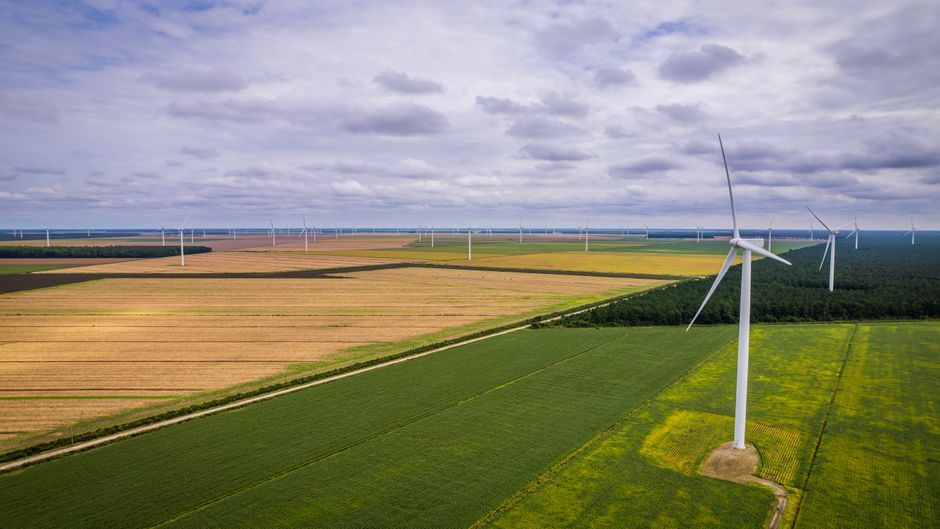
Stock photo for illustration only, not from the actual event
Google's push into weather forecasting for power grids highlights an intersection of its dual roles: the company's expanding data centres are a primary driver of rising electricity demand, while its AI technology simultaneously offers tools to help utility operators better manage variable renewable energy generation.
Grid operators are currently managing systems that have grown increasingly difficult to predict. On the supply side, renewables account for the majority of new capacity additions. S&P Global Market Intelligence’s US Grid Outlook 2026 projects solar and energy storage as primary sources of new capacity this year, reaching 51.2GW and 25.7GW respectively out of over 90GW in planned additions. Because solar and wind generation depend entirely on weather rather than demand, every gigawatt added makes accurate short-term forecasting critical.
On the consumption side, surging electricity demand is heavily driven by artificial intelligence. S&P Global notes that the expansion of data centres across North America has forced utilities to revise load forecasts upward. Furthermore, Deloitte’s 2026 Power and Utilities Industry Outlook projects peak demand growing by approximately 26% by 2035, with data centre demand alone potentially hitting 176GW, five times its 2024 level.
"WeatherNext 3 learns from real observations instead of simulations, reducing the data lag found in traditional numerical weather prediction."
Google Research
The financial consequences of forecasting errors are direct. If an operator underestimates incoming wind power, expensive replacement electricity must be secured at short notice from standby gas plants. Conversely, overestimates can force wind and solar farms to shut down when the grid fails to absorb excess generation. Both outcomes carry substantial costs.
Incumbent competitors maintain distinct technical arguments. Jua has argued publicly that physics-based models like ECMWF’s HRES still outperform pure data-driven AI during unprecedented extreme weather events, as physics models encode atmospheric movement rules. In contrast, WeatherNext 3 ingests live geostationary satellite imagery and trains directly on weather station readings to minimize the update-frequency gap.
Source: AI News
Found something wrong in this article? Report an issue with this article
Comments
Leave a Comment