

EV batteries last longer than drivers feared
A new study reveals that used electric vehicles retain about 90% of their original usable battery capacity after driving 150,000 km.
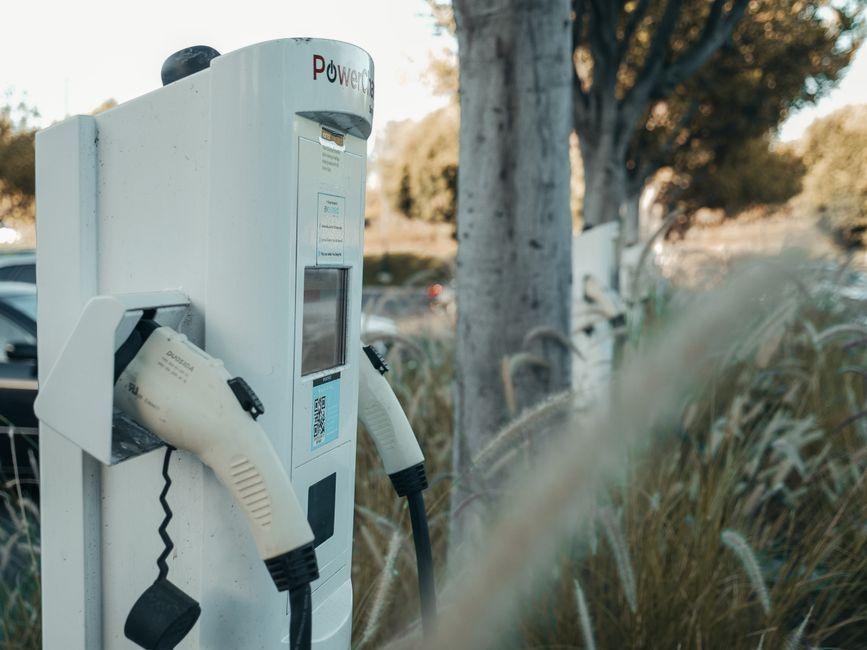
Stock photo for illustration only, not from the actual event
- New study shows EV batteries are highly durable
- Used EVs retain 90% capacity at 150,000 km
- Findings ease major consumer fears on degradation
Anxiety over the longevity and degradation of electric vehicle batteries has long been a primary hurdle for prospective buyers, particularly within the used car market where drivers worry about facing hefty replacement costs. However, fresh data from a recent study offers significant reassurance, pointing to a much more optimistic reality for EV owners and second-hand buyers alike.
Based on real-world vehicle data and analysis, the study highlights impressive endurance levels within modern battery packs. The findings explicitly demonstrate that electric vehicles which have accumulated a total driving distance of 150,000 kilometers are still capable of retaining approximately 90 percent of their original usable battery capacity compared to when they were brand new.
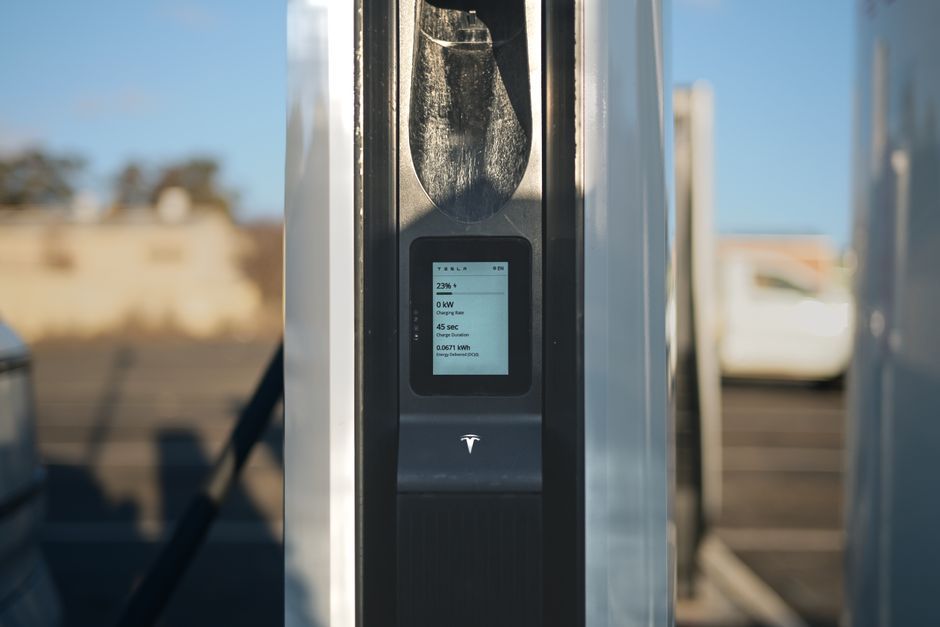
Stock photo for illustration only, not from the actual event
Such a minimal rate of degradation serves as a major win for the broader electric vehicle industry. It clearly demonstrates that contemporary battery management technology and thermal regulation systems engineered by automakers are sufficiently advanced to extend pack lifespans well beyond what many drivers historically feared. This durability will likely bolster long-term consumer confidence and help stabilize resale values in the secondary automotive market.
The fact that EV batteries maintain 90% capacity after 150,000 km effectively debunks lingering misconceptions that electric car power packs degrade as quickly as consumer electronics batteries. Modern Battery Management Systems (BMS) actively regulate charging speeds and mitigate thermal stress, shielding individual cells from rapid wear and ensuring prolonged overall health.
While this research provides robust encouragement for future adoption, industry experts note that everyday charging habits—such as minimizing excessive reliance on high-power DC fast chargers and maintaining optimal state-of-charge ranges—remain crucial complementary practices for maximizing long-term battery longevity.
Source: Ars Technica
Found something wrong in this article? Report an issue with this article
Comments
Leave a Comment