

Why Parents Who Said No Pets End Up Loving Them Most
Exploring the psychological bond between parents and pets, shifting from initial hesitation over responsibilities to treating them like family.

Stock photo for illustration only, not from the actual event
- Pet attachment develops through daily routines rather than just cute appearances.
- Initial rejections stem from valid concerns over financial and caregiving burdens.
- Affectionate behaviors from cats and dogs help relieve loneliness for older adults at home.
The familiar scenario where parents strictly declare they will not take care of a pet, only to become their biggest fans later, is common in many households. This phenomenon goes beyond mere cuteness and is rooted in daily interactions and evolving domestic dynamics.
Initial resistance is rarely about disliking animals. Instead, it comes from anticipating burdens such as food costs, medical expenses, cleanliness, and long-term responsibilities, along with the fear of ultimately becoming the primary caregiver.
From a family psychology perspective, an initial refusal acts as a defense mechanism against added responsibilities. However, once pets integrate into the household, they fill emotional gaps and provide older adults with a renewed sense of purpose through caregiving.
Once a dog or cat enters the home, relationships gradually build through everyday routines, such as morning greetings, sitting nearby, or waiting by the door when family members return, fostering an unconscious bond.
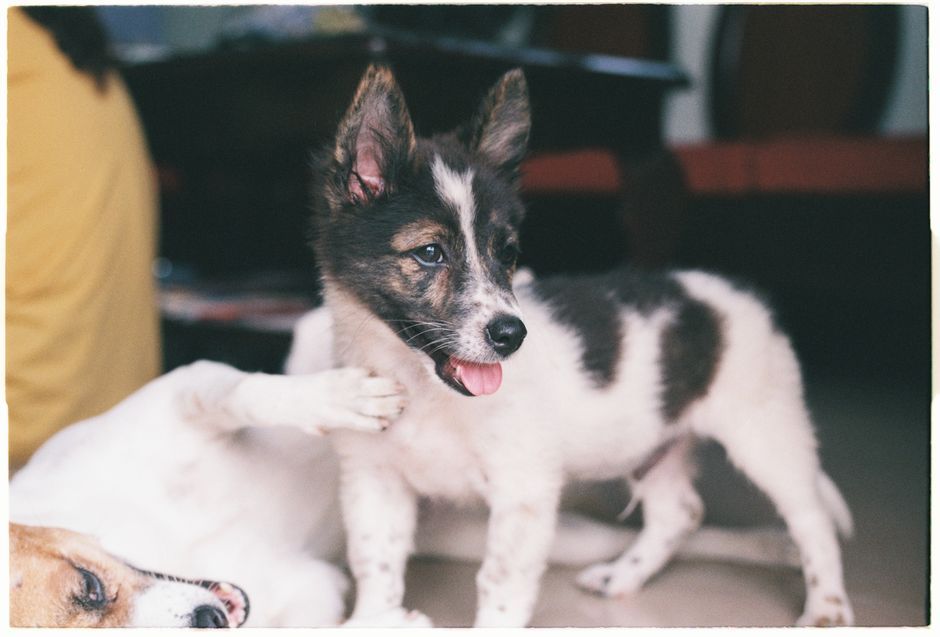
Stock photo for illustration only, not from the actual event
Daily routines like feeding, refilling water, and monitoring health habits create repetitive interactions. Consequently, parents who initially objected often turn into the experts who understand their pets' needs better than anyone else.
Furthermore, pets actively reciprocate affection by nuzzling, seeking attention, and showing excitement upon a familiar person's return. This behavior effectively alleviates loneliness, particularly for parents who spend significant time at home.
Source: Thairath Lifestyle
Found something wrong in this article? Report an issue with this article
Comments
Leave a Comment