

Apple's CEO Revives Steve Jobs 2001 Strategy for AI
New Apple CEO John Ternus places the iPhone at the center of the AI strategy, channeling Steve Jobs' 2001 digital hub playbook.
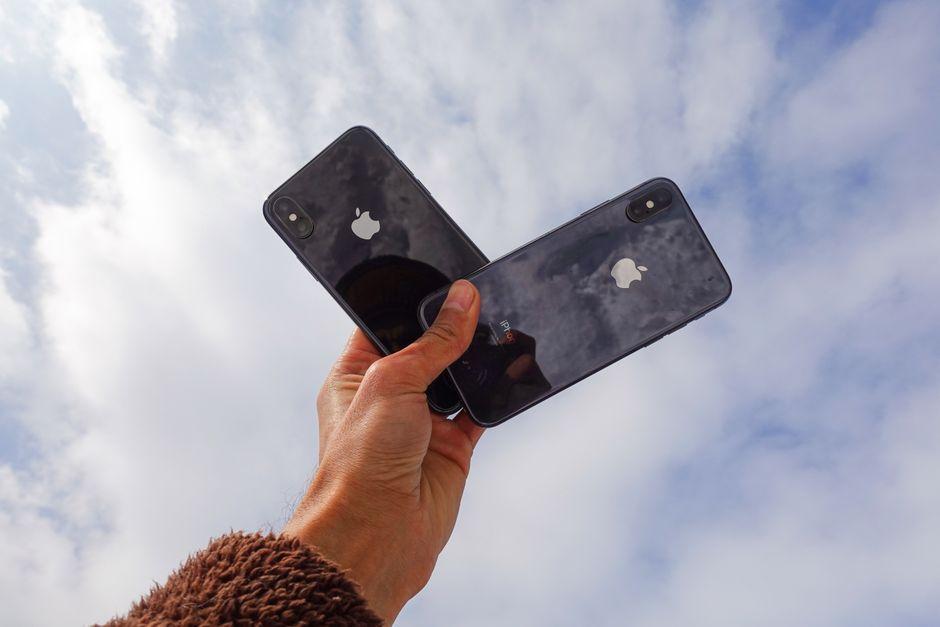
Stock photo for illustration only, not from the actual event
- New Apple CEO John Ternus places the iPhone at the core of the company's strategy.
- The approach mirrors Steve Jobs' 2001 digital hub strategy previously used for the Mac.
- Ternus highlights on-device AI, advanced cameras, and powerful processors as key ingredients.
John Ternus is making it abundantly clear that the iPhone isn't going anywhere under his leadership. During his debut keynote on Wednesday as Apple's CEO, he threw his weight firmly behind the flagship device, positioning it squarely at the center of the company's product strategy for the artificial intelligence era.
This stance marks a notable shift from former CEO Tim Cook, who repeatedly attempted to convince Wall Street that Apple was much more than just a smartphone maker. Instead, Ternus has anchored the iPhone at the heart of his intelligent personal assistant strategy. This move bears a striking resemblance to a playbook Steve Jobs executed back in 2001 with the Mac, less than ten months before unveiling the iPod.
Back in 2001, personal computers faced widespread skepticism from industry observers predicting their imminent demise. However, Jobs successfully reframed the Mac as the central 'digital hub' that connected emerging digital devices and added value to them all. By adopting a parallel philosophy for the current AI boom, Ternus is doubling down on the device consumers already rely on most, rather than chasing unproven wearable hardware trends.
Stock photo for illustration only, not from the actual event
As the compute-hungry AI era unfolds, the iPhone holds a distinct advantage as one of the most powerful personal computing devices available today. Its unmatched portability and adaptability mean that for millions of users, it remains the absolute indispensable gadget—an item people rarely leave home without, even if they routinely leave their laptops behind.
“If you were designing the ideal version of this hub from scratch, how would you do it?”
John Ternus
Ternus outlined the critical ingredients required for this intelligent hub, pointing to a powerful processor, high-resolution cameras, persistent networking, and on-device AI capabilities. By leveraging these existing hardware strengths, Apple is reinforcing the iPhone's dominance instead of sidelining it for an unproven category.
Source: TechCrunch
Found something wrong in this article? Report an issue with this article
Comments
Leave a Comment