

Hundreds of thousands of women get morning-after pill via free pharmacy service
A free emergency contraception scheme at high street pharmacies in England has distributed nearly 305,000 doses, while regular pill consultations have more than doubled.
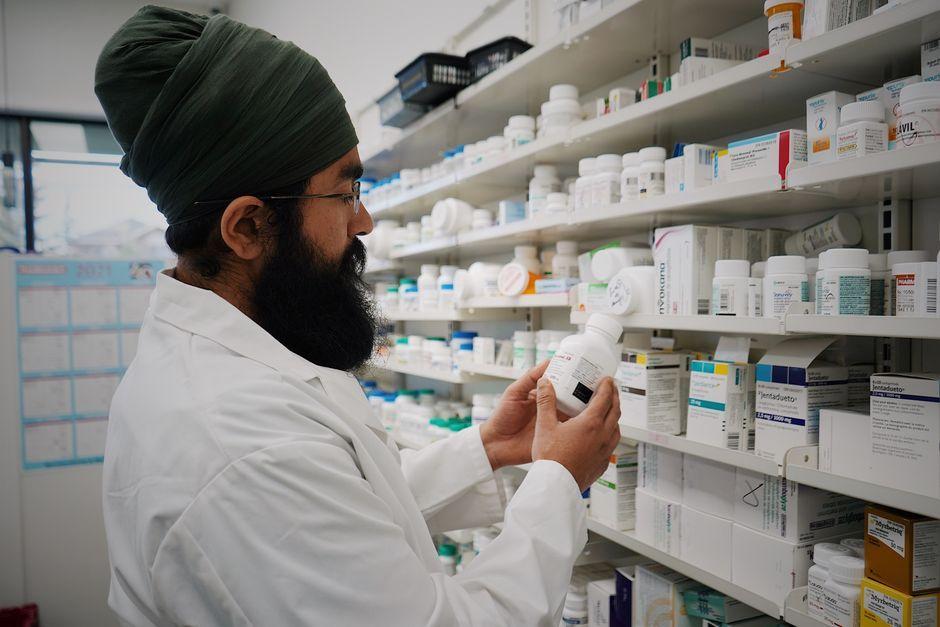
Stock photo for illustration only, not from the actual event
- Free morning-after pill scheme launched in England in October 2025
- Nearly 305,000 doses distributed between October 2025 and March 2026
- Regular oral contraceptive inquiries jumped from 50,000 to over 115,000
Hundreds of thousands of women have utilized a new, complimentary morning-after pill initiative at high street pharmacies across England, modern figures reveal. The scheme was specifically designed to streamline access and spare women the necessity of booking appointments with a general practitioner or a sexual health clinic.
Fresh NHS data demonstrates that almost 305,000 doses were handed out by pharmacists in the period spanning from October 2025 to March 2026. This starkly eclipses the figures from 2024 to 2025, during which only about 150,000 NHS prescriptions for emergency contraception were issued.
Concurrently, the demand for preventative long-term reproductive care saw remarkable growth. The volume of women asking pharmacists about initiating the regular oral contraceptive pill more than doubled, climbing from roughly 50,000 to exceeding 115,000 in the 12-month window leading up to February 2026.

Stock photo for illustration only, not from the actual event
Under the framework of this government-backed scheme, individuals can walk into their local pharmacy for a confidential consultation with a qualified pharmacist or trained pharmacy technician, collecting the necessary medication on the exact same day. Previously, obtaining emergency contraception required securing an appointment with a GP, sexual health clinic, or pharmacy, though private access remains available.
Shifting routine healthcare and contraception access to high street pharmacies represents a pivotal shift in public health delivery. By decentralizing services, healthcare systems can alleviate wait times at general practices while successfully reaching demographics in deprived areas where clinic availability is historically constrained.
Emergency contraception functions by delaying or blocking the release of an egg, proving most effective the sooner it is taken within a three-to-five-day window following unprotected intercourse. Alternatively, women can opt for an intrauterine device fitted by a medical professional within 120 hours of unprotected sex to prevent pregnancy.
Source: BBC Health
Found something wrong in this article? Report an issue with this article
Comments
Leave a Comment