

French space startup emerges as Europe's new hope
As Europe struggles to keep pace in the global space race, a rising French startup is stepping up with heavy rockets and high-cadence launches.
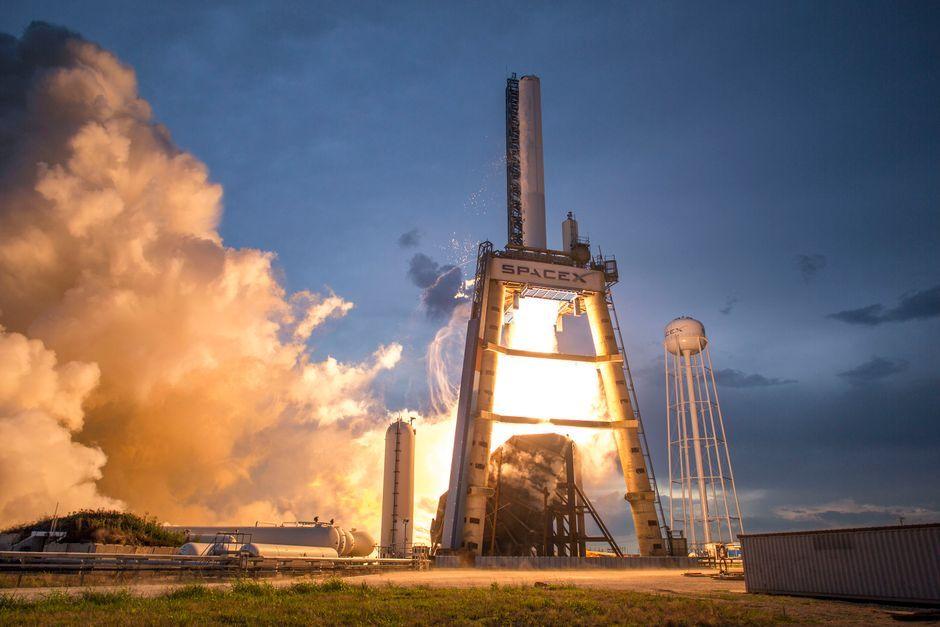
Stock photo for illustration only, not from the actual event
- Europe is currently facing major setbacks and delays in the space sector.
- A rising French space startup is emerging as a beacon of hope for the continent.
- The core strategy relies on massive rockets and a high launch cadence.
- This approach could redefine Europe's competitive edge in global space exploration.
The European space industry has recently found itself struggling to maintain momentum, lagging behind other global superpowers in both development speed and operational agility amid fierce international competition.
Amidst this challenging backdrop, a prominent new player from France has risen through the ranks, potentially serving as the trailblazer needed to revitalize Europe's relevance in the modern space landscape.
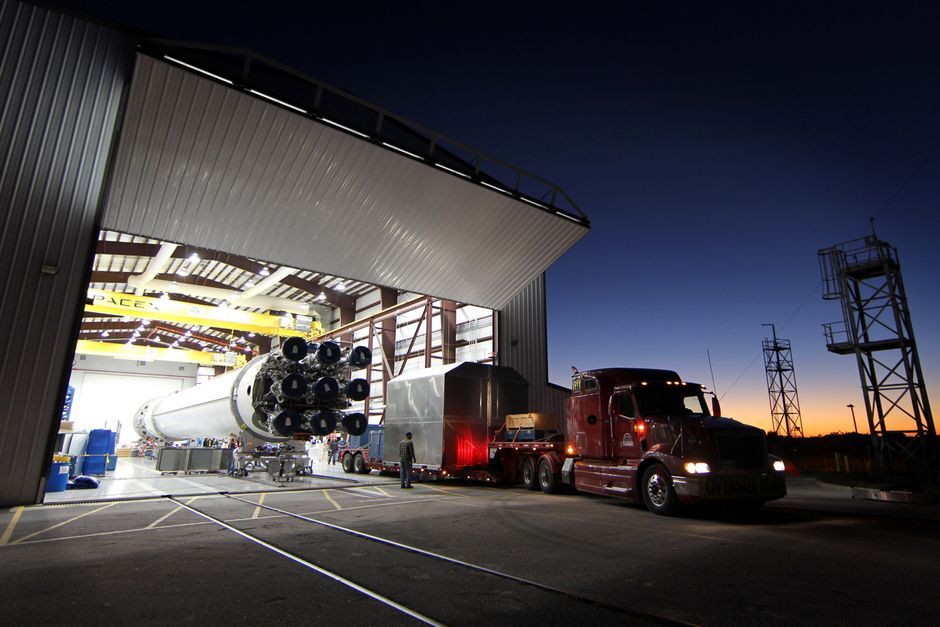
Stock photo for illustration only, not from the actual event
At the core of this rising star's strategy is a bold philosophy emphasizing massive rockets operated at a massive launch frequency to meet the surging demands of the commercial satellite and orbital payload market.
Historically, European space endeavors have relied heavily on government-led consortia through the European Space Agency (ESA), which often involves lengthy bureaucratic timelines. The rise of agile private startups in France mirrors the global 'New Space' shift toward commercialization, speed, and cost-efficiency previously seen in the US market.
Adopting a high-cadence model for heavy-lift vehicles not only drives down per-flight costs but also ensures that Europe can secure a vital foothold in the global supply chain, reducing reliance on foreign launch providers.
"We will not be relevant without a massive rocket at a massive cadence."
French space startup executive
The ultimate trajectory of Europe's space ambitions may well depend on whether the continent can successfully back these disruptive newcomers and embrace a faster, bolder approach to orbital access.
Source: Ars Technica
Found something wrong in this article? Report an issue with this article
Comments
Leave a Comment