

UK mayors to gain authority to levy tourist tax
English mayors will receive the power to implement an uncapped overnight visitor levy as a percentage of accommodation costs, with details announced Thursday.
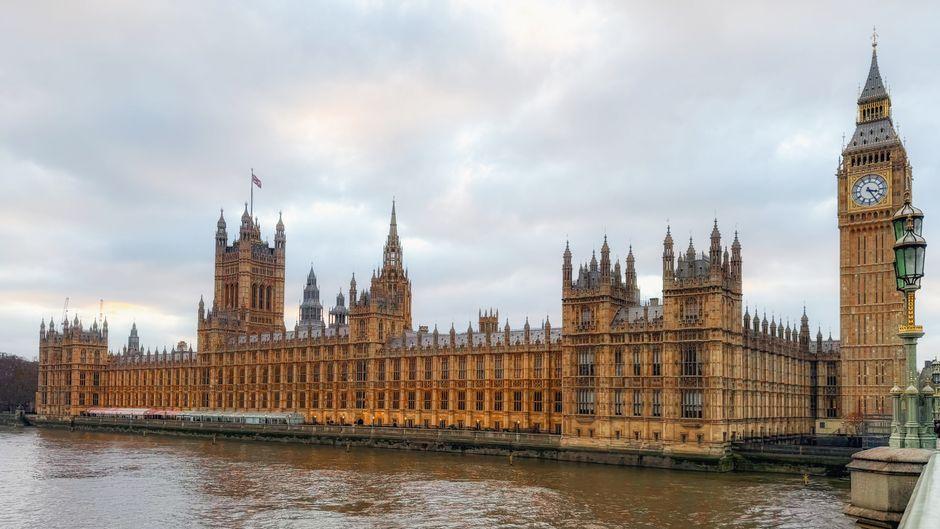
Stock photo for illustration only, not from the actual event
- English mayors are set to receive powers to introduce an uncapped overnight visitor tax.
- The levy will be charged as a percentage of accommodation costs rather than a flat fee.
- Hospitality leaders warn the policy risks industry jobs and adds financial pressure on families.
- Government ministers will discuss further implementation details with local leaders on Thursday.
The UK government is preparing to announce new plans granting mayors and regional leaders the authority to implement an overnight visitor levy on tourists. Under the upcoming proposals, local authorities will be allowed to apply a tourist tax as a percentage rate based on the cost of hotels, bed and breakfasts, and alternative accommodation types, moving away from a fixed flat fee structure.
This initiative was initially proposed under former Prime Minister Sir Keir Starmer back in November, mirroring similar accommodation tax frameworks operating in Scotland and various European cities. Deputy Prime Minister Angela Rayner is scheduled to outline further specifics during a virtual meeting with regional mayors held from No 10 North on Thursday afternoon.
Stock photo for illustration only, not from the actual event
Local leaders will retain full discretion over how the revenues generated from the visitor levy are reinvested into their regions, such as funding street cleaning operations or late-night public transport services. London Mayor Sadiq Khan, who participates in the Thursday meeting, stated the policy needs implementation as soon as possible and backs a maximum cap of five percent. Meanwhile, Manchester and Liverpool currently operate voluntary business-led visitor schemes charging fixed nightly rates per room.
In response, leading trade association UKHospitality strongly criticized the announcement, warning that the policy will introduce significant financial friction for holidaymakers. Chief Executive Allen Simpson estimated that the tax could inflate the average cost of a family holiday in England by approximately 100 to 120 pounds, driven by concerns that local mayors might exploit the lack of a strict upper limit.
"If you only devolve one tax raising power, of course local mayors are going to pull that lever until it snaps."
Allen Simpson, UKHospitality
Regional business owners have voiced severe apprehension regarding the economic fallout. John Chappell, operator of five caravan parks in Skegness, Lincolnshire, argued that many resort visitors are already operating on strict budgets amidst high travel costs, warning that an additional financial burden could cripple the domestic tourism sector.
The devolution of tourist tax powers highlights a broader shift toward fiscal decentralization for English local authorities, aligning regional funding models with established European practices. While central government proponents argue that percentage-based levies protect budget-conscious travellers, the tension between generating municipal revenue and maintaining competitiveness for hospitality businesses remains a critical policy challenge.
Source: BBC Politics
Found something wrong in this article? Report an issue with this article
Comments
Leave a Comment