

Why iPhone 18 Pro Vapor Chambers Matter for Cooling
Apple announced the iPhone 18 Pro with a larger vapor chamber system, promising better thermal management and improved processor performance.

Stock photo for illustration only, not from the actual event
- Apple introduced new vapor chambers in the iPhone 18 Pro and Pro Max lineup
- Vapor chambers dissipate processor heat by vaporizing internal liquid
- The iPhone 18 Pro features three times the surface area of the previous generation
- Android phones have utilized vapor chamber technology for several years
During Apple's major hardware announcement on Wednesday, the company placed a particular emphasis on the vapor chamber integrated into the new iPhone 18 Pro and Pro Max models. While the initial explanation focused on improving performance and reducing heat generation, understanding the exact mechanics reveals what this upgrade truly means for your next smartphone purchase.
At a fundamental level, vapor chambers operate similarly to liquid cooling systems found in desktop computers and server racks. The primary objective is to draw heat away from the processor to maintain optimal operating temperatures, allowing the chip to sustain heavy workloads without overheating or throttling performance.
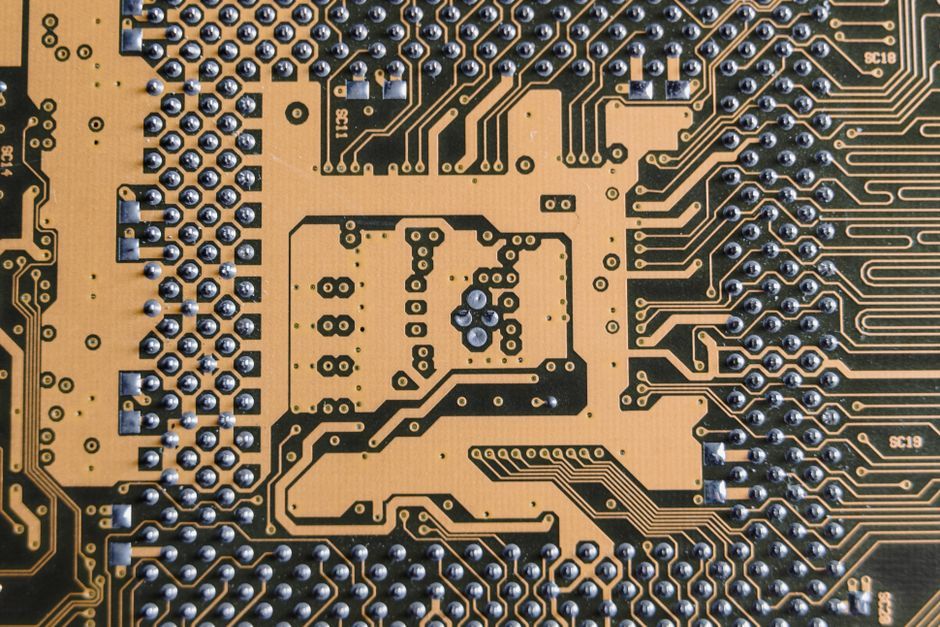
Stock photo for illustration only, not from the actual event
Unlike desktop systems, smartphones are compact environments lacking space to pump water across distant locations. Instead, a vapor chamber utilizes a thin, hollow enclosure made of copper or stainless steel containing a small amount of liquid. When heated, the liquid vaporizes and expands outward, dispersing thermal energy across the phone's chassis rather than concentrating it near the processor. As the vapor moves away from the heat source, it cools down and condenses back into liquid form.
From a hardware engineering perspective, thermal management in modern smartphones remains exceptionally difficult due to high processing power packed into tiny chassis. Unlike laptops equipped with bulky cooling fans or MacBook Air models relying on metal frames and low-wattage chips, mobile devices demand advanced thermal solutions. Incorporating vapor chambers has thus become an industry standard for handling intensive mobile computing tasks without causing thermal throttling.
Because the chamber remains hermetically sealed, the working fluid circulates indefinitely throughout the lifespan of the device without evaporating away. Manufacturers frequently pair these chambers with secondary heat sinks composed of thin graphite or copper sheets. In the case of the iPhone 18 Pro, Apple implements both mechanisms simultaneously to optimize thermal performance.
Effective heat dissipation becomes even more critical for users in warm climates. For instance, leaving a smartphone exposed to direct sunlight inside a parked car can easily trigger overheating shut-downs, disrupting navigation apps and essential functions. Upgrading to devices equipped with robust vapor chambers significantly mitigates these environmental thermal issues during daily use.
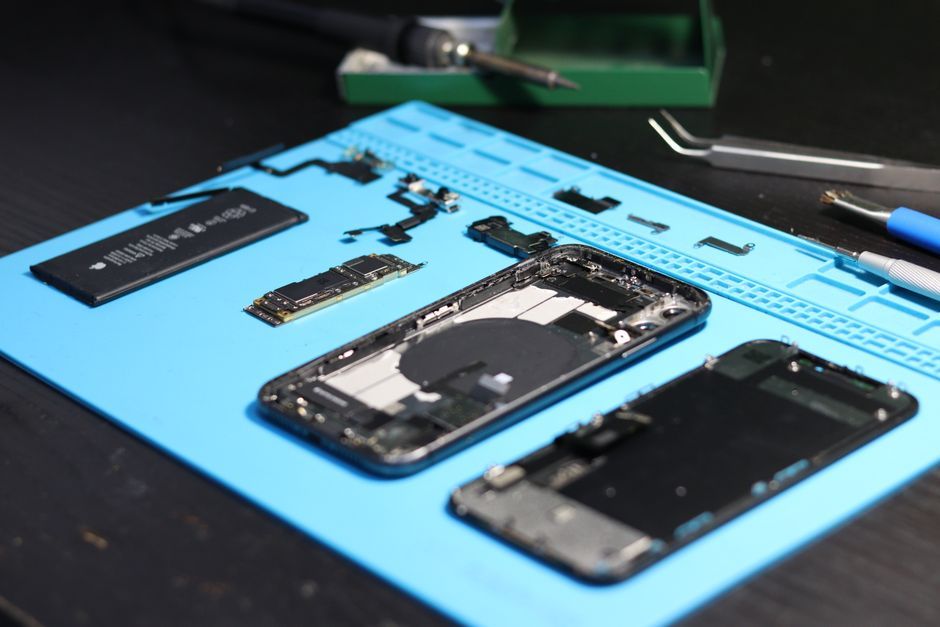
Stock photo for illustration only, not from the actual event
Apple reports that the iPhone 18 Pro's vapor chamber features three times the surface area of the previous generation, theoretically driving superior cooling and heightened performance. However, outside the Apple ecosystem, Android competitors have deployed vapor chambers for years. Unless your current device frequently overheats or you plan to upgrade from an older generation, checking for a vapor chamber may not need to be your primary buying criteria.
Source: Lifehacker
Found something wrong in this article? Report an issue with this article
Comments
Leave a Comment