

Race to Save Britain's Rare Glutinous Snail in Wales
Conservationists and UK zoos are setting up captive ark populations of the rare glutinous snail (Myxas glutinosa), which now survives in only one Welsh lake at Llyn Tegid in Eryri National Park.
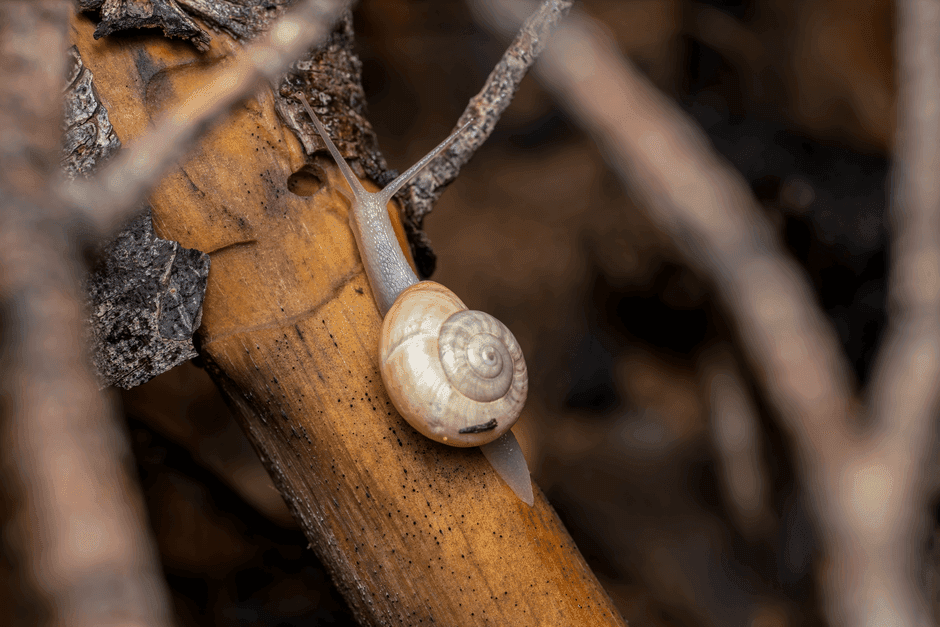
Stock photo for illustration only, not from the actual event
- The glutinous snail (Myxas glutinosa) is one of Europe's rarest species and survives in only one UK lake.
- The Hughes family successfully bred the tiny snails and discovered their eggs in a greenhouse in Ceredigion, Wales.
- Zoos across England including Dudley, Chester, Longleat, and Askham Bryan are establishing captive ark populations.
- The conservation effort is part of a £60m UK government-backed scheme to protect endangered species.
A tiny, gelatinous snail found in just one lake across the United Kingdom is being treasured by conservationists as precious as an Egyptian artefact, as zoos and experts race to establish captive breeding populations to rescue the species from extinction.
Scientifically known as Myxas glutinosa, the glutinous snail gets its name from the translucent, gooey mantle covering its delicate, gold-flecked brown shell. No larger than a fingertip, the creature features unusually large antennae compared by breeders to floppy ears. Feeding on algae, these snails serve as vital biological indicators of healthy freshwater ecosystems, though industrial water pollution and habitat destruction have driven them completely extinct across England.
In the UK, their final known natural refuge is Llyn Tegid, the largest natural lake in Wales, situated within Eryri National Park, also known as Snowdonia. Since 2014, Ian Hughes has waded into the lake under licence from Natural Resources Wales to collect, study, and protect the vulnerable molluscs.
Stock photo for illustration only, not from the actual event
Ian designed and installed custom concrete shelters for the snails directly inside Llyn Tegid while establishing a captive colony inside a greenhouse at his home in Llanarth, Ceredigion. After four months of careful monitoring, the breakthrough came when he spotted the first recorded cluster of snail eggs in the tank.
Breeding Myxas glutinosa in captivity is an extraordinary scientific feat because these freshwater snails exhibit extreme sensitivity to water chemistry and environmental shifts. The breakthrough achieved by the Hughes family provides a vital lifeline for establishing resilient captive populations before reintroduction efforts begin.
Caring for the endangered snails has evolved into a family mission for the Hughes household, with Ian's wife Kerry and their sons Jake, George, and Ben actively participating in the daily maintenance. The family is now collaborating with the British and Irish Association of Zoos and Aquariums (BIAZA) to transfer captive-bred snails to wildlife parks across England.
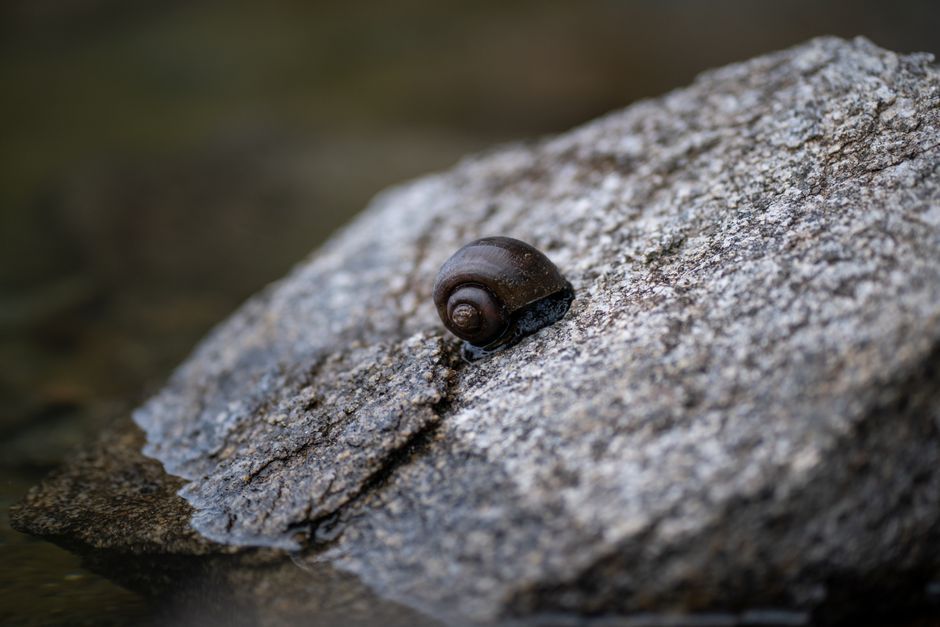
Stock photo for illustration only, not from the actual event
Participating institutions include Askham Bryan Wildlife Park in York, Longleat in Wiltshire, alongside Dudley Zoo and Chester Zoo, while the Freshwater Habitats Trust evaluates potential wetland sites for future wild reintroductions. These initiatives form part of a broader £60m UK government-backed framework aimed at safeguarding native endangered wildlife.
"Having all your eggs in one basket is always a dangerous move so having more experts looking after it is really the right way to go."
Ian Hughes
Source: BBC Science & Environment
Found something wrong in this article? Report an issue with this article
Comments
Leave a Comment