

Data centers may face temporary power cuts to prevent blackouts on largest US grid
PJM Interconnection plans to curtail power for data centers of 50 megawatts or larger starting June 2027 to protect the grid.
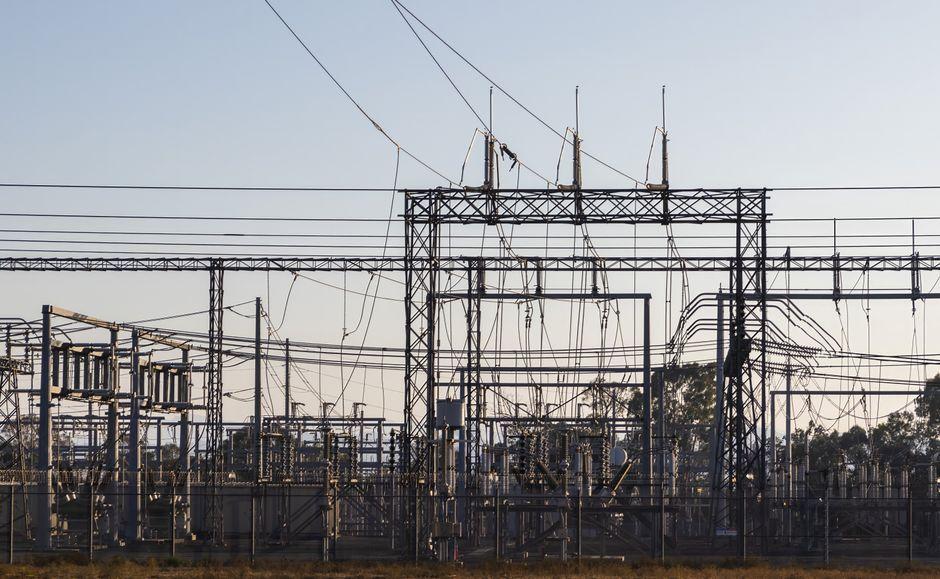
Stock photo for illustration only, not from the actual event
- PJM to cut power to data centers 50MW and larger
- Measures set to take effect starting June 2027
- Wholesale electricity prices have nearly doubled in a year
The largest electrical grid in the United States, operated by PJM Interconnection, has struggled to cope with a massive influx of data centers. Following an underperforming auction to secure additional generating capacity, the grid operator announced plans to disconnect data centers and other large power users during electricity shortages.
This decision comes as the rapid pace of data center construction forces grid operators to scramble for power generation. Projections indicate that by 2035, data centers will consume four times the electricity they use today.
PJM will not initiate supply curtailments until June 2027, applying the cuts exclusively to data centers with a capacity of 50 megawatts or greater. Meanwhile, the grid operator is running another auction to procure new generating capacity.
<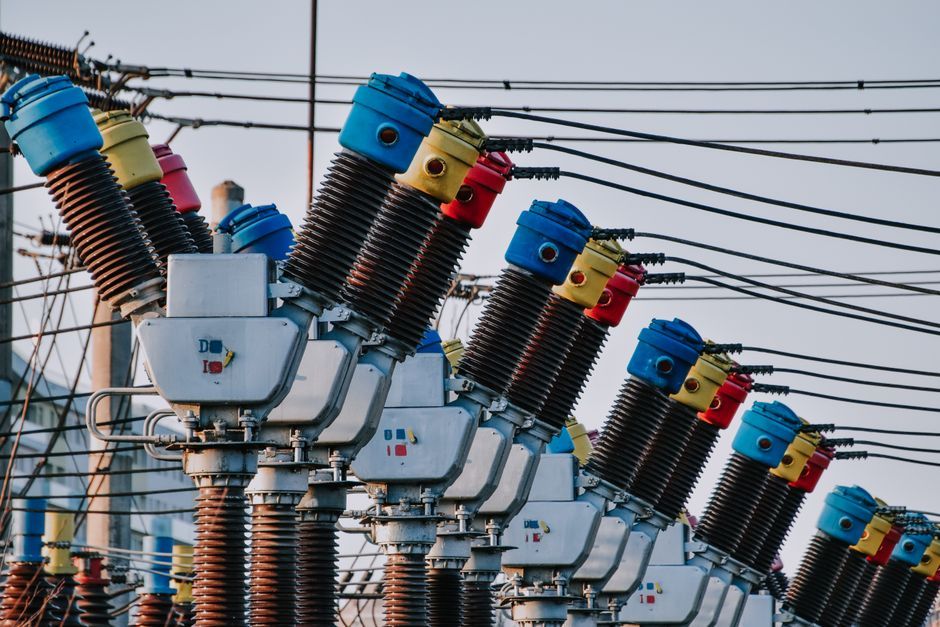
Stock photo for illustration only, not from the actual event
Similar to established demand response programs utilized for decades by large consumers like manufacturers, affected customers will receive financial compensation. These programs typically provide advance notice ranging from 30 minutes to several days, depending on forecasted demand.
The necessity for a grid operator to curtail power specifically targeting data centers highlights a growing friction between technological expansion—driven largely by AI and cloud computing—and the physical limits of energy infrastructure. This dynamic underscores why more tech operators are being pushed toward independent microgrids and on-site clean energy solutions to ensure operational resilience.
This regulatory shift is expected to motivate numerous new and existing data centers to establish on-site power generation sources. Those that fail to do so will likely rely on backup generators, which carry higher operational costs and environmental pollution. Many facilities favor diesel generators due to fuel accessibility and on-site storage capabilities, though federal rules limit their use to 50 hours annually for demand response and up to 100 hours for emergencies and maintenance.
Recently, Vantage Data Centers faced public scrutiny regarding its coordination with Virginia environmental regulators to undermine a report suggesting that diesel backup generators could inflict tens of millions of dollars in annual health damages on residents near a 96-megawatt facility in Northern Virginia.
PJM has also drawn heavy criticism in recent months over its management of new generating capacity and large consumers. Operating across a territory spanning from Virginia to Illinois and serving 67 million customers, PJM witnessed wholesale electricity prices nearly double over the past year, with the independent market monitor attributing much of the surge to data centers.
Source: TechCrunch
Found something wrong in this article? Report an issue with this article
Comments
Leave a Comment