

Autumn Sky Events 2026: Five Night Sky Spectacles
Discover five autumn 2026 night sky events including the Pleiades, Orionid and Leonid meteor showers, a planetary parade, and a supermoon.
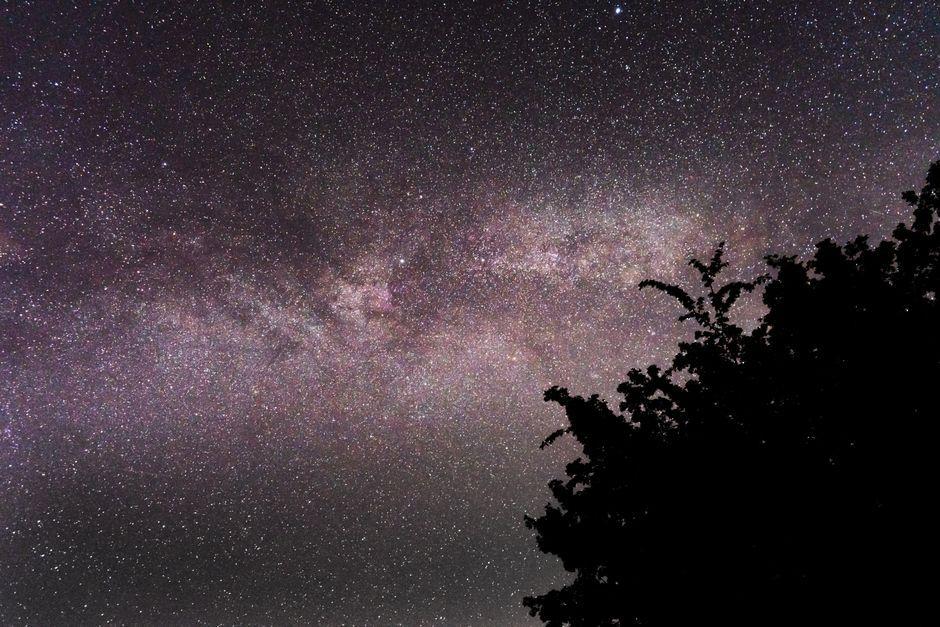
Stock photo for illustration only, not from the actual event
- Longer autumn nights in the northern hemisphere offer prime stargazing opportunities.
- Stargazers can spot prominent star clusters, meteor showers, and a planetary alignment.
- The Orionid meteor shower peaks on October 21 and Leonids peak on November 17.
- November's full moon kicks off a sequence of four consecutive supermoons through February 2027.
As the northern hemisphere transitions into autumn, the longer nights create ideal conditions for skywatchers to venture outdoors and gaze at the cosmos. The upcoming months are packed with remarkable astronomical events, ranging from brilliant meteor showers to dazzling star clusters, beginning with the prominent return of the Pleiades cluster as evenings grow darker earlier.
The celestial spectacles lined up for the coming months include:
- The Pleiades star cluster becoming prominent toward the eastern evening sky.
- The Orionid meteor shower reaching its peak around October 21.
- A planetary parade, Leonid meteor showers, and a supermoon arriving in November.
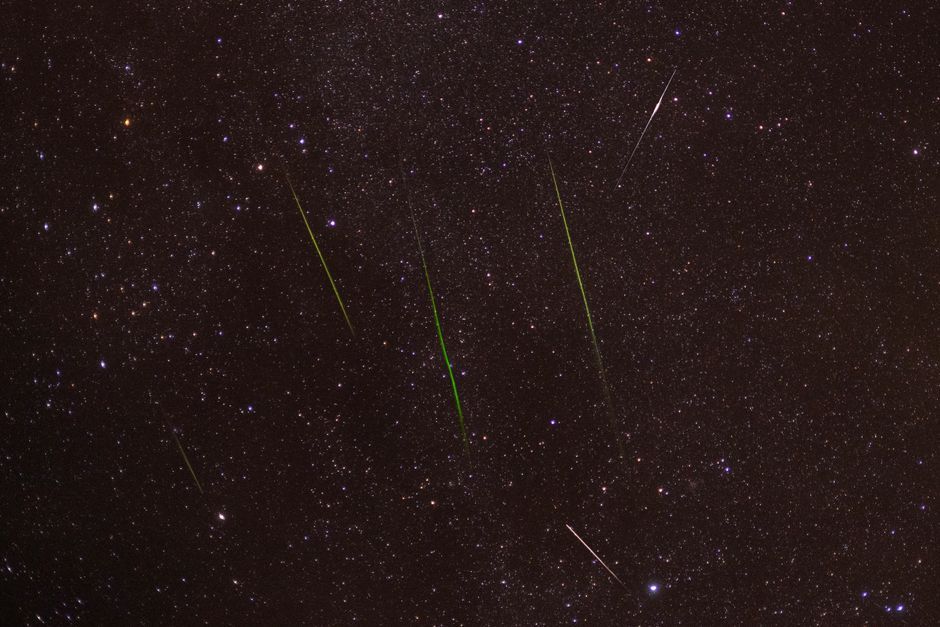
Stock photo for illustration only, not from the actual event
The Pleiades, frequently called the Seven Sisters or Messier 45 (M45), is a young stellar cluster situated roughly 440 light-years away from Earth. Despite its popular moniker, most observers can distinguish about six stars unaided, while binoculars or telescopes reveal many more. Look toward the eastern horizon during autumn evenings to spot the cluster nestled inside the constellation Taurus.
Following closely is the Orionid meteor shower, active from early October through November and peaking around October 21. Earth twice yearly intersects the trail of dust and debris left in the wake of Halley's comet. When these micro-particles plunge into our atmosphere at immense speeds, they superheat and streak across the sky as meteors, appearing to radiate directly from the constellation Orion.
Early risers in mid-November are treated to a rare planetary gathering on November 14, featuring Mercury, Venus, Mars, and Jupiter visible above the horizon prior to sunrise. While Mercury poses a challenge due to its low altitude near the glaring sun, brilliant Venus and Jupiter remain exceptionally luminous and straightforward to identify in the predawn hours.
"November's full moon is known as the Beaver Moon. The name is thought to come from the time of year when beavers were particularly active..."
BBC Science & Environment
Later in November, the Leonid meteor shower peaks around November 17. These meteors travel at roughly 70 kilometers per second, ranking them among the fastest visible from Earth. Under optimal dark skies, observers can catch roughly 10 to 15 meteors hourly at the peak, originating from the constellation Leo after midnight and before dawn.
Observing celestial events like meteor showers and planetary alignments provides valuable insights into orbital mechanics and comet debris trails. Allowing sufficient time for dark adaptation ensures that human eyes can maximize contrast and detect fainter cosmic objects effectively.
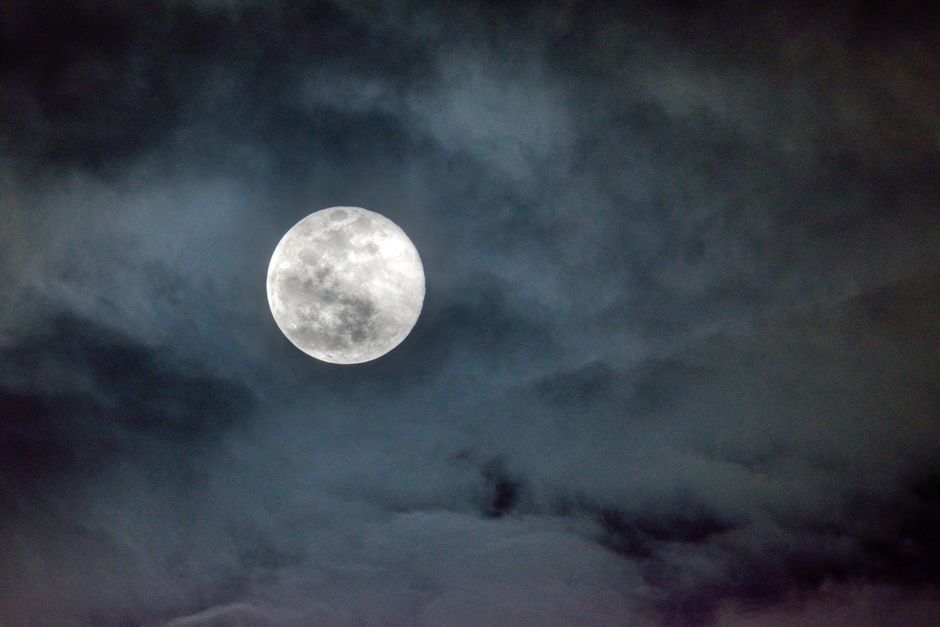
Stock photo for illustration only, not from the actual event
Rounding out November is the full moon known as the Beaver Moon, reaching its supermoon phase on November 24. A supermoon occurs when proximity to Earth renders the full moon noticeably larger and brighter. This event marks the first in a sequence of four supermoons stretching through February 2027. Skywatchers are encouraged to check local forecasts using the BBC Weather app before heading out.
Source: BBC Science & Environment
Found something wrong in this article? Report an issue with this article
Comments
Leave a Comment