

SFTS Dog Tick Fever: Thailand Reports 53 Cases and 5 Deaths
Prof. Dr. Yong Poovorawan reports 53 cumulative cases and 5 deaths from SFTS dog tick fever in Thailand as of September 2026.
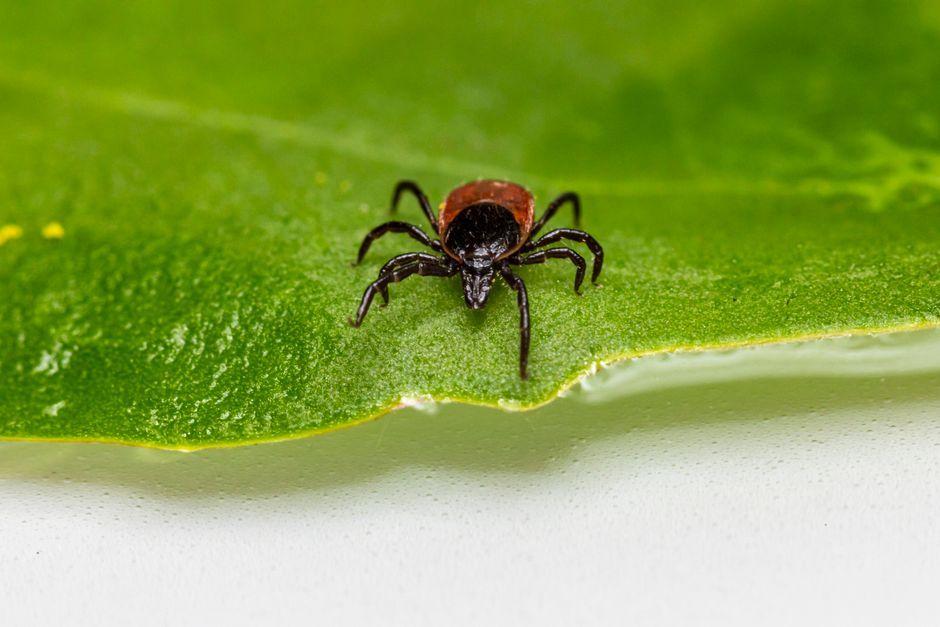
Stock photo for illustration only, not from the actual event
- SFTS is a viral infection transmitted to humans primarily through tick bites
- Thailand reports 53 cumulative cases and 5 deaths as of September 2026
- Key symptoms include high fever, severe fatigue, and low platelet count
- Prevention involves pet care and wearing protective clothing outdoors
For pet owners and nature enthusiasts, understanding how to prevent tick bites and recognizing early warning signs is vital for safeguarding health against unexpected severe dangers.
The viral infection causing severe fever with thrombocytopenia syndrome, commonly known as SFTS or dog tick fever, originates from ticks acting as vectors. These ticks feed on blood from various animals such as dogs, cats, cattle, buffaloes, and wildlife, subsequently transmitting the virus to humans when they bite.

Stock photo for illustration only, not from the actual event
Professor Dr. Yong Poovorawan, head of the Center of Excellence in Clinical Virology at Chulalongkorn University's Faculty of Medicine, revealed that the disease has been detected in Thailand, recording 53 cumulative patient cases and 5 deaths as of September 2026.
"This disease has been found in Thailand, with 53 cumulative patient cases and 5 deaths."
Anyone bitten by a tick who develops symptoms within one to two weeks should monitor their condition and seek immediate medical attention, noting warning signs such as:
- Sudden high fever and extreme fatigue
- Muscle pain, loss of appetite, nausea, vomiting, and diarrhea
- Skin petechiae or nosebleeds caused by low platelet counts
- Swollen lymph nodes, which in severe cases can lead to organ failure and death
Severe Fever with Thrombocytopenia Syndrome (SFTS) is an emerging infectious disease requiring close medical attention due to its relatively high mortality rate and rapid progression linked to thrombocytopenia. Recognizing that transmission can also occur between humans via bodily fluids highlights the need for heightened caution among both caregivers and the general public.
Preventive measures recommended by the Department of Disease Control, Ministry of Public Health, focus on breaking the transmission cycle:
- Protect pets regularly using tick-and-flea spot-on treatments, oral medications, or collars
- Wear long-sleeved shirts, long trousers, closed-toe shoes, and insect repellent when visiting forests or dense grassy areas
- Never crush ticks with bare hands to prevent pathogens from entering skin wounds
- If bitten, use pointed tweezers to grip the tick's head close to the skin and pull straight up slowly, followed by washing the wound with soapy water and alcohol
Source: Thairath Lifestyle
Found something wrong in this article? Report an issue with this article
Comments
Leave a Comment