

As US Measles Cases Rise, Biotech Firms Start Developing New Treatments
Rising measles cases across the United States are prompting biotechnology companies to begin developing new treatment options for vulnerable populations.
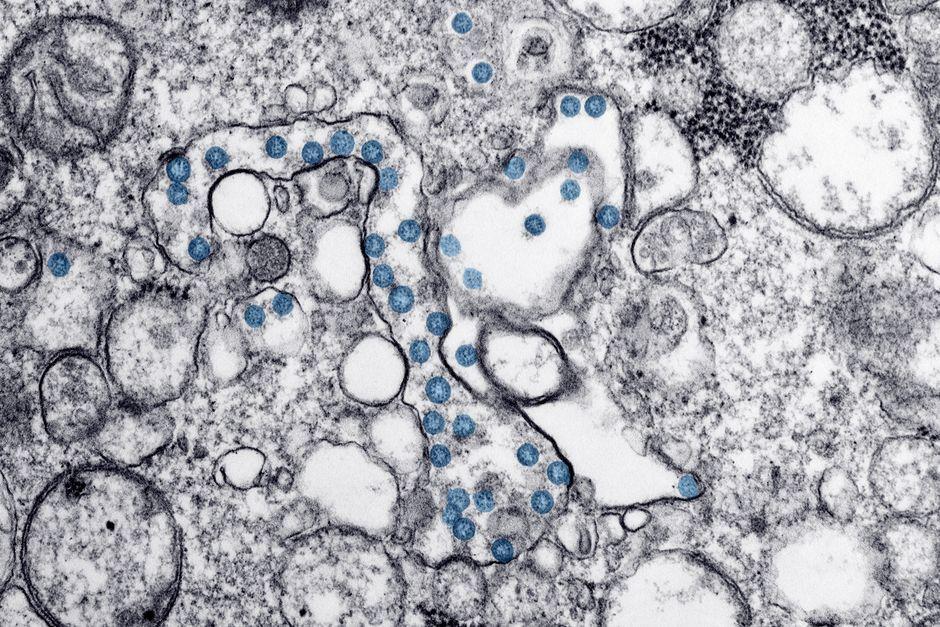
Stock photo for illustration only, not from the actual event
- Measles cases are on the rise across the United States.
- Biotech companies are stepping up to develop novel treatment options.
- Focus is being placed on protecting the most vulnerable populations.
The public health landscape in the United States faces a renewed challenge as measles cases begin to climb. This resurgence has caught the attention of medical professionals and the pharmaceutical industry alike, as a disease once heavily contained makes a troubling comeback within American communities.
In response to this growing threat, biotechnology firms have initiated efforts to develop entirely new treatments. This industrial pivot aims to bridge critical healthcare gaps and prepare medical providers for potential outbreaks that could endanger public health on a broader scale.
Measles is an extremely contagious viral illness spread primarily through airborne transmission. While the MMR vaccine remains the gold standard for prevention, declining vaccination rates in certain communities have allowed the virus to find footholds. The entry of biotech firms into therapeutic development highlights a shift toward ensuring that effective interventions exist for those who contract the disease, complementing preventative measures.
The primary focus of these emerging pharmaceutical developments centers on safeguarding the most vulnerable individuals who face the highest risk of severe complications from a measles infection. Having dedicated treatments will be vital for protecting these high-risk groups.
Source: Ars Technica
Found something wrong in this article? Report an issue with this article
Comments
Leave a Comment