

Mobile IAP Backend: Apple App Store & Google Play Sync
Deep dive into server-to-server architectures for in-app purchases and subscriptions, ensuring zero data loss with modern notification pipelines.

Stock photo for illustration only, not from the actual event
- Client-side IAP processing creates revenue leakage risks due to connection drops.
- Modern architectures rely on server-to-server event streams like ASN V2 and RTDN.
- Systems must support cryptographic signature verification and idempotent processing.
- Recent notification updates adapt to new age-verification laws and partial refunds.
In mobile app development, handling in-app purchases and auto-renewable subscriptions on the client side is a recipe for revenue leakage. Mobile devices lose connectivity, users force-close apps mid-transaction, and malicious actors attempt local receipt tampering. To maintain a source of truth for user entitlements, modern mobile engineering architectures rely on server-to-server event streams: Apple App Store Server Notifications V2 and Google Play Real-Time Developer Notifications.
Both platforms have shipped meaningful changes to these systems recently, including new notification types, API deprecations, and Apple notification categories tied to age-verification laws and alternative-payment regulation. This guide has been updated and fact-checked against current Apple and Google developer documentation.
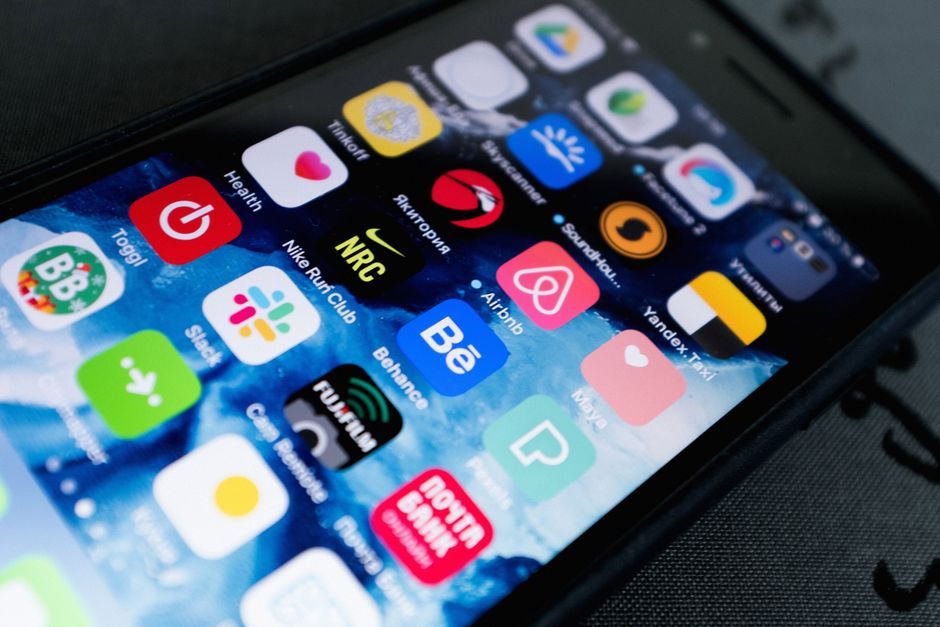
Stock photo for illustration only, not from the actual event
Developers will learn how to parse and cryptographically verify incoming payloads, build an idempotent and fault-tolerant ingestion pipeline, avoid state corruption, and understand where original do-it-yourself verification approaches fall short.
Deep diving into Apple App Store Server Notifications V2, Apple deprecated Version 1 in favor of V2, which uses JWS tokens according to RFC 7515 to cryptographically guarantee payload authenticity. When Apple posts to your endpoint, the HTTP body contains a top-level JSON object with a single signedPayload key.
Transitioning to JWS tokens for App Store notifications significantly strengthens infrastructure security, effectively preventing man-in-the-middle data tampering which is vital for iOS subscription revenue integrity.
The current notification catalog has expanded considerably. While original event types like SUBSCRIBED, DID_RENEW, DID_FAIL_TO_RENEW, EXPIRED, REFUND, and REVOKE remain accurate, they are now a subset of a much larger list. For example, RESCIND_CONSENT was introduced alongside U.S. state-level age-verification and parental-consent laws, such as Texas's App Store Accountability Act which took effect on January 1, 2026, signaling that consent tied to a minor account has been withdrawn.
Source: Dev.to
Found something wrong in this article? Report an issue with this article
Comments
Leave a Comment