

US cities ditch Flock cameras, but data retention remains
Cities across the US are canceling contracts with AI license plate reader Flock amid privacy concerns, while questions linger over collected data.
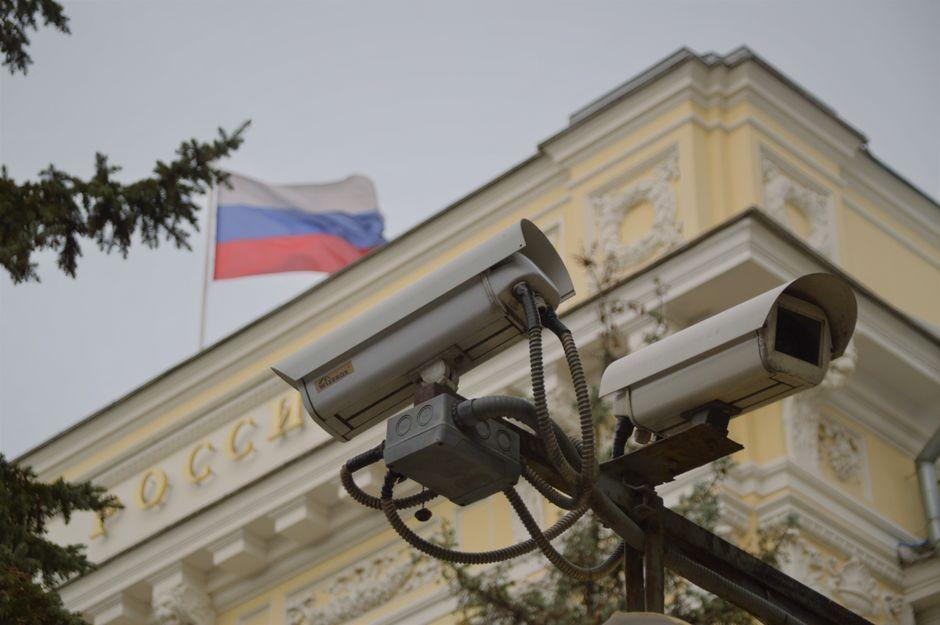
Stock photo for illustration only, not from the actual event
- Cities across the US are terminating contracts with AI license plate reader provider Flock
- Growing privacy concerns and third-party data sharing triggered intense public backlash
- Unresolved contract terms mean previously collected data remains in the system
- Local leaders in places like Sheboygan and Bridgewater are covering or shutting down cameras
Local governments across the United States, stretching from Florida all the way to Washington state, are actively canceling their contracts with Flock, the company behind the controversial artificial intelligence-powered license plate reading cameras, in response to mounting public pressure. However, terminating these contracts does not automatically mean the surveillance devices will be uninstalled right away, nor does it guarantee that the information gathered by the cameras will be promptly deleted.
Even as state and municipal authorities decide to pull back on their surveillance capabilities, uncertainty persists regarding what the company can and will do with the data it has already amassed. Saira Hussain, a senior staff attorney at the Electronic Frontier Foundation (EFF) who has reviewed numerous municipal Flock contracts, noted that the fate of this information remains unclear.
"Let’s say they terminate," Saira Hussain stated regarding the ambiguous terms found in many local government contracts. "What happens to the data, and how long is it able to be searched? That question appears to be unresolved."
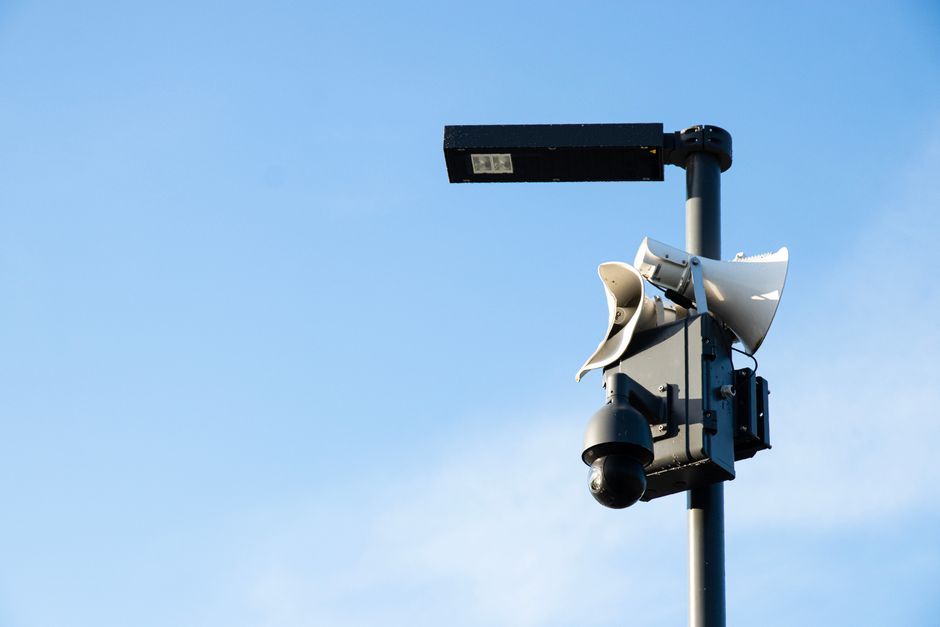
Stock photo for illustration only, not from the actual event
The growing backlash against Flock cameras highlights the escalating tension between municipal public safety initiatives and individual privacy rights in the digital age. This controversy goes beyond standard closed-circuit television monitoring, involving advanced data analytics and inter-agency data sharing that raise serious concerns about mass surveillance without adequate public oversight from the outset.
Founded back in 2017, Flock marketed its cameras not solely to local governments but also to private businesses and individual citizens, pitching the technology as a discreet tool to boost public safety. Early on, certain cities even provided grants for homeowners associations wishing to install the cameras in residential neighborhoods, allowing Flock's footprint to expand rapidly to over 120,000 cameras installed across the United States.
This rapid expansion, coupled with alarming reports detailing the misuse of surveillance networks, has fueled a fresh wave of opposition, transforming Flock into a shorthand expression for privacy intrusion. In Sheboygan, Wisconsin, local lawmakers voted unanimously to terminate the city's contract after discovering that Flock reportedly attempted to sell anonymized data back to the local public works department, though the company maintains it does not sell consumer data.
"We really have no way of auditing where the Flock data goes once it’s collected. Our community is not comfortable using these cameras without some assurances that it’s being used in a manner we have authorized."
Mike Wiza, Mayor of Stevens Point
In Bridgewater, Virginia, home to fewer than 7,000 residents, the town council placed bags over its Flock cameras following a vote to cancel the contract. The move came after the Virginia Center for Investigative Journalism revealed that due to information-sharing agreements, data collected within the small town was searched by law enforcement authorities 7 million times over a 12-month period.
Source: The Verge
Found something wrong in this article? Report an issue with this article
Comments
Leave a Comment