

Shed: Greenhouse turns into light installation at UK festival
London and Vienna studio Kren. transformed a reclaimed greenhouse into Shed, an inhabitable light installation at the Loud Places music festival.
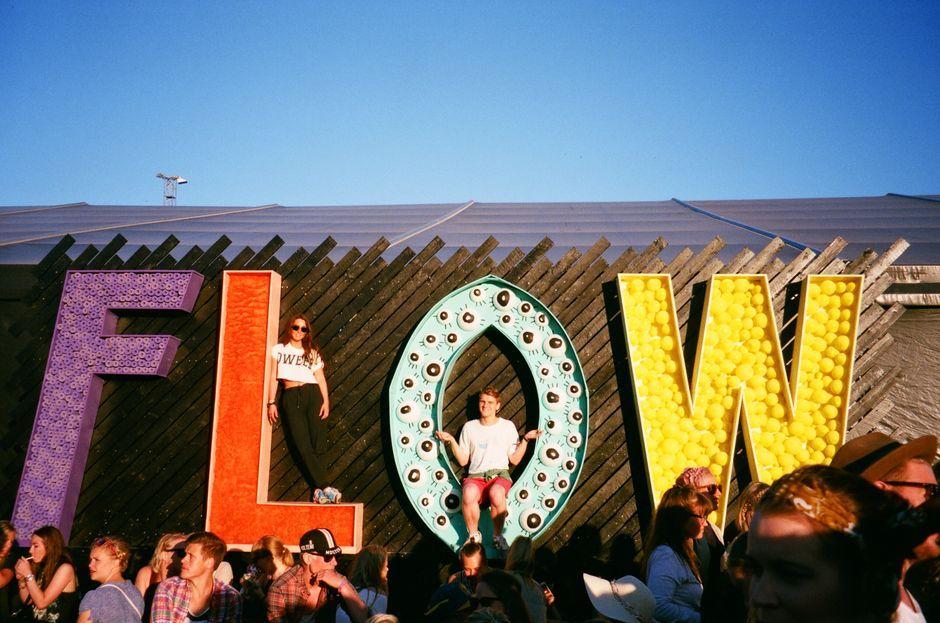
Stock photo for illustration only, not from the actual event
- Design studio Kren. created Shed for a UK music festival
- Located at the independent Loud Places festival meadow
- Reclaims an old greenhouse structure and industrial materials
- Functions as a daytime gathering spot and glowing nighttime shelter
Created by Kren., a design studio based in London and Vienna, Shed is a bespoke installation commissioned for the independent music festival Loud Places, set a couple of hours outside of London. The project takes a reclaimed greenhouse structure and adapts it to explore the transformable potential of everyday objects within a public event setting.
The installation draws inspiration from domestic origins while illuminating the surrounding festival grounds, serving both as a visual beacon and an intimate gathering space. During the day, it acts as a central hub for festival-goers to congregate around, whereas at night, it becomes an inhabitable interior space. The yellow-coated frame and diffuse screens interact dynamically as daylight fades, casting a consistent glow.
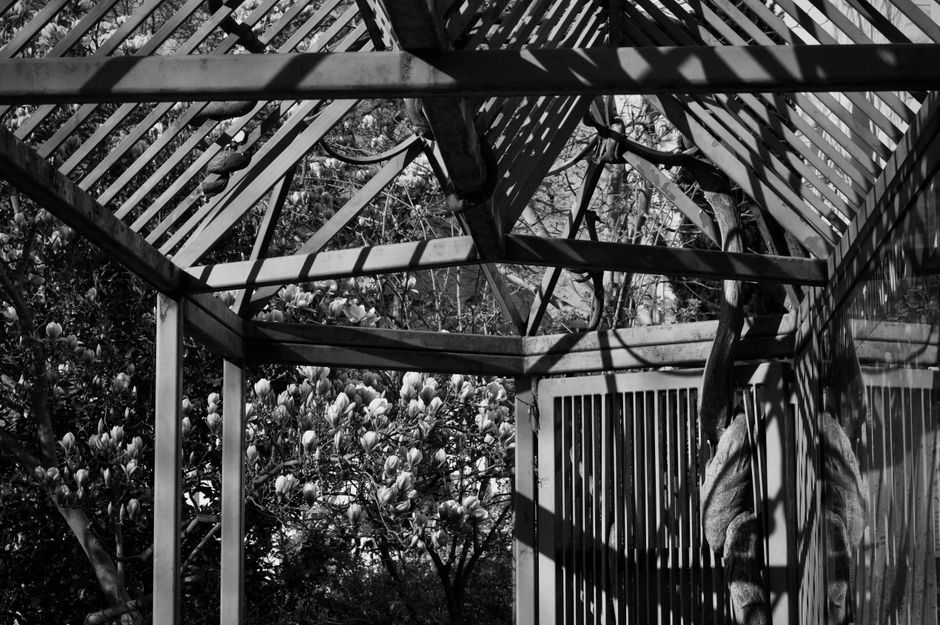
Stock photo for illustration only, not from the actual event
The design team, consisting of Ivy Aris, John Clayson, and Andrei Dinu, integrated a modified aluminum frame with customized industrial lights suspended just below seated eye-level along the roof ridge. When occupied after dark, human silhouettes animate the translucent TPU walls while projecting steady light outward toward the festival meadow.
"The greenhouse acts as The Primitive Hut. Simultaneously, Shed is a light installation."
Kren.
Entryways are defined by PVC curtains typically found in industrial cooling systems, secured with cable ties. This material palette pays homage to the agricultural heritage of greenhouses while acknowledging the DIY innovation characteristic of music festivals and club culture.
Adapting everyday agricultural structures for contemporary art and festival architecture highlights a growing interest in circular design and material reinterpretation. By contrasting rural utilitarianism with immersive nightlife lighting, designers can create memorable experiential landmarks with minimal environmental footprint.
Source: designboom
Found something wrong in this article? Report an issue with this article
Comments
Leave a Comment