

Farage defends £72m donations as compliant with law
Nigel Farage defends £72m in donations to Reform UK as legally compliant, criticizing government plans to cap overseas donor contributions retrospectively.
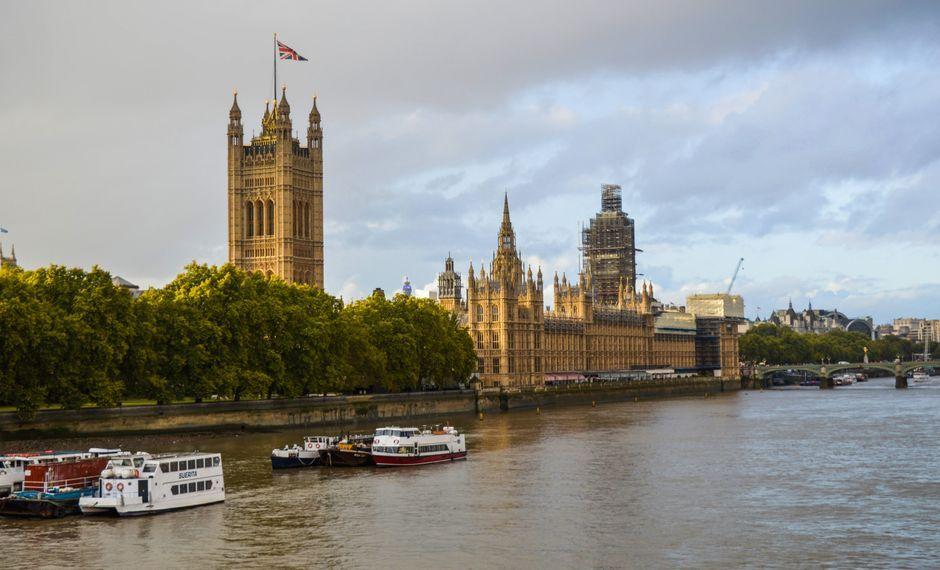
Stock photo for illustration only, not from the actual event
- UK ministers seek a £100,000 annual cap on donations from British expats backdated to 25 March 2026.
- Reform UK recently received two massive donations totaling £72 million from businessmen Ben Delo and Christopher Harborne.
- Nigel Farage threatened to retaliate by capping trade union funding if elected prime minister.
The UK government is pushing forward with a proposed annual cap of £100,000 on political donations from British expats, with the legislation backdated to 25 March 2026. This move follows announcements that the populist party Reform UK received two identical donations of £36 million each from wealthy businessmen Ben Delo and Christopher Harborne, both of whom have recently lived abroad.
Nigel Farage strongly criticized the government's approach, arguing that authorities should not retrospectively declare past donations illegal. He warned that if his party wins power and he becomes prime minister, he would retaliate by imposing strict limits on donations from trade unions.
Under the new legislative proposal debated in the House of Lords, donors must have been officially registered as living in the UK by 25 March 2026 to bypass the limit. Furthermore, individuals returning to the country would face a mandatory one-year waiting period before they are permitted to donate more than the threshold amount.

Stock photo for illustration only, not from the actual event
"If the government was allowed to do this, you know what would happen? There would be a response the other way."
Paul Nowak, a prominent trade union leader, countered these arguments by stating there is no comparison between ordinary care workers contributing small union fees and political parties heavily funded by billionaires. Records show that the Labour Party has received nearly £43 million from trade unions funded by individual workers' membership fees since 2020.
The debate surrounding political funding highlights ongoing tensions regarding transparency and foreign influence in British elections. While policymakers aim to close regulatory loopholes and limit the financial leverage of wealthy individuals, such legislative changes often provoke sharp political retaliation and partisan division over campaign finance rules.
Sir Philip Rycroft, a former senior civil servant who authored a recent review on foreign interference, noted that while domestic donations fell outside his initial remit, a strong argument exists for capping all domestic and overseas political contributions alike. Meanwhile, other political factions, including the Liberal Democrats and the Green Party, continue pressing the Labour administration to implement stringent emergency rules to restrict campaign spending thoroughly.
Source: BBC Politics
Found something wrong in this article? Report an issue with this article
Comments
Leave a Comment